Anti-Fatigue Mats: Stand Comfortably All Day
Discover how the right anti-fatigue mat can transform your standing desk experience, reduce leg pain, and boost your daily productivity.
If you’ve switched to a standing desk to improve your health and energy, you’ve likely discovered one challenge: standing for hours can be tough on your feet, knees, and lower back. This is where an anti-fatigue mat becomes an essential desk accessory. Designed to encourage subtle muscle movement, these mats reduce pressure on your joints and help you maintain better posture throughout the day.
What Is an Anti-Fatigue Mat?
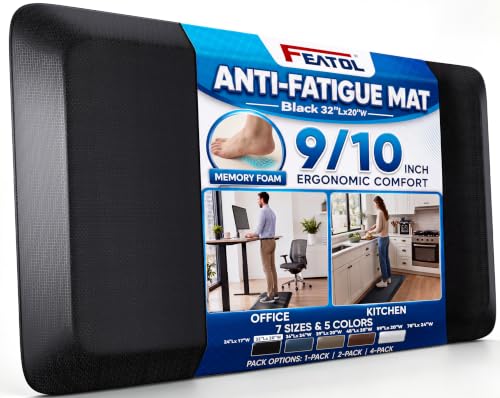
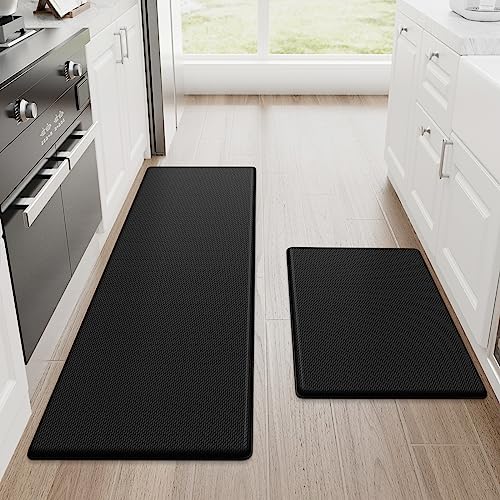
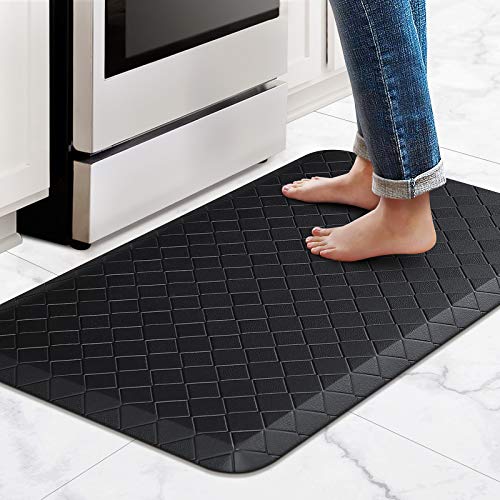
An anti-fatigue mat is a cushioned floor mat placed in front of a standing desk. Unlike a hard floor, the mat’s resilient surface causes your leg and core muscles to make tiny adjustments to maintain balance. This micro-movement increases blood flow, reduces muscle fatigue, and alleviates the discomfort that often comes with prolonged standing. While they are a staple for industrial workers, they have become a must-have for home offices and modern workspaces.
Key Benefits of Using an Anti-Fatigue Mat
🦵 Reduces Leg & Foot Pain
The cushioning relieves pressure on your heels and the balls of your feet, preventing soreness and fatigue even after several hours of standing.
🧍 Improves Posture
By encouraging subtle movement, the mat helps you maintain a more neutral spine position, reducing the tendency to slouch or lean awkwardly.
🔄 Boosts Circulation
The micro-movements stimulate blood flow in your legs, which can help prevent varicose veins and keep your energy levels up.
🔇 Dampens Sound & Protects Floors
Mats add a layer of sound insulation and protect your flooring from scuffs and scratches caused by chair wheels or heavy foot traffic.
How to Choose the Right Anti-Fatigue Mat
Not all anti-fatigue mats are created equal. When shopping for the perfect mat for your home office desk or gaming setup, consider these key factors:
- Material: High-density foam or gel-filled mats offer the best comfort and durability. Look for non-slip backing to keep the mat securely in place.
- Thickness: A thickness between ½ inch and ¾ inch provides optimal cushioning. Too thin, and you lose the benefit; too thick, and it may feel unstable.
- Size & Shape: Ensure the mat is large enough for you to move around comfortably. Rectangular mats are classic, while rounded or ergonomic shapes can fit into corner setups.
- Beveled Edges: Beveled or sloped edges reduce tripping hazards and allow you to roll your chair onto the mat smoothly if needed.
Common Mistakes to Avoid
Even with a great mat, you can undermine its benefits. Avoid these common pitfalls:
- ❌ Standing completely still: The mat works best when you shift your weight and move slightly. Think of it as an active standing surface.
- ❌ Wearing the wrong shoes: While some mats are designed for bare feet, most perform best with supportive shoes. Avoid high heels or flip-flops.
- ❌ Ignoring mat placement: Position the mat so it’s centered under your main work area. If you use a L-shaped desk, you may need two mats for full coverage.
- ❌ Not taking breaks: Even with a mat, your body needs movement. Alternate between sitting and standing, and take short walking breaks every hour.
Care & Maintenance Tips
To keep your anti-fatigue mat in top condition, regularly clean it with a damp cloth and mild soap. Avoid harsh chemicals that can degrade the foam. Allow it to air dry completely before placing it back on the floor. Check the non-slip backing periodically to ensure it hasn’t worn smooth, which could cause slipping.
The Bottom Line
An anti-fatigue mat is one of the most impactful desk accessories you can add to your standing desk setup. It turns standing from a strain into a comfortable, healthy habit. Whether you're working, gaming, or creating, the right mat will keep you energized and focused all day long. Pair it with other ergonomic essentials like a keyboard tray or a footrest for the ultimate comfort station.
Frequently Asked Questions
Can I use an anti-fatigue mat on carpet?
Yes, but the mat will be less effective because the carpet already provides some cushioning. For best results, use a mat with a firmer density.
How long does an anti-fatigue mat last?
With proper care, a high-quality mat can last 3–5 years. Look for mats with a warranty for added peace of mind.
Are anti-fatigue mats worth it for small spaces?
Absolutely! Compact mats are available for small standing desks or tight corners. They provide the same benefits without taking up much room.