Desk Timer Methods: The Science of Focused Work
Discover proven desk timer techniques — from the Pomodoro Technique to the 52-17 rule — to transform your productivity, beat procrastination, and make every minute at your desk count.
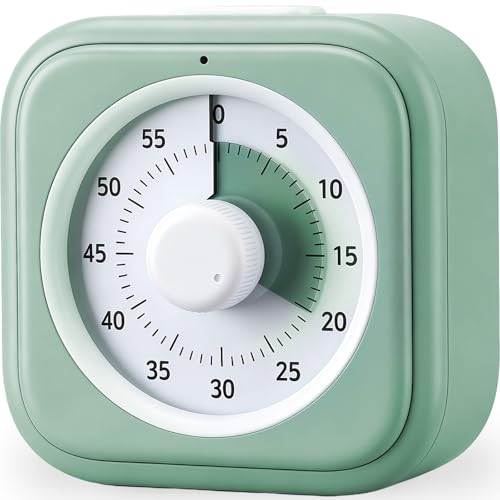
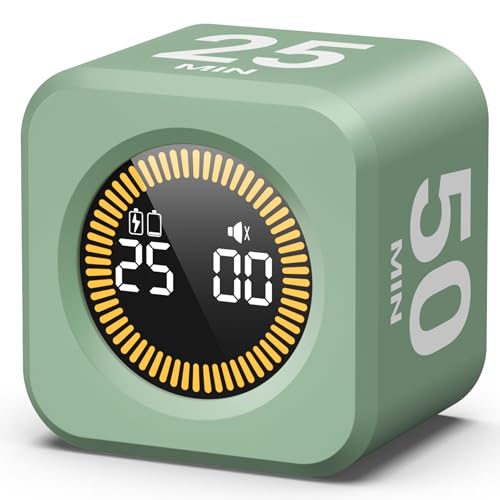
EXPLORE DESK TIMER METHODSWhy Use a Desk Timer? A desk timer isn't just a clock — it's a powerful productivity tool. By breaking your work into focused intervals, you can reduce mental fatigue, maintain high energy, and achieve deep focus. Whether you work from a home office desk or a small desk, the right timer method can completely transform your workflow.
Top Desk Timer Methods for Maximum Focus
Pomodoro Technique
25 min work / 5 min breakThe classic desk timer method. Work for 25 minutes, then take a 5-minute break. After four cycles, take a longer break (15–30 min).
Best for: Deep focus, creative work, studying.- Prevents burnout
- Boosts concentration
- Easy to start
52-17 Method
52 min work / 17 min breakInspired by top performers, this method uses a 52-minute focus sprint followed by a 17-minute recovery break to maintain high energy.
Best for: Complex tasks, coding, writing.- Matches natural ultradian rhythm
- Allows deeper immersion
- Recovery boosts next sprint
Time Blocking
Custom intervalsDivide your day into blocks of time dedicated to specific tasks. Use a desk timer to keep each block on track and avoid overruns.
Best for: Project planning, multi-task days.- Clear structure
- Prioritizes important work
- Reduces decision fatigue
90-Minute Flow
90 min work / 20 min breakAligns with your body's natural ultradian rhythm. Work in 90-minute sprints, then take a 20-minute break for optimal performance.
Best for: Deep creative work, research.- Matches biological cycles
- Maximizes deep work
- Renews energy
Desk Timer Method Comparison
Which desk timer method is right for you? Use this quick comparison to decide.
| Method | Work Interval | Break Interval | Best Used For | Difficulty |
|---|---|---|---|---|
| Pomodoro | 25 min | 5 min | General tasks, studying | Easy |
| 52-17 | 52 min | 17 min | Complex projects, coding | Medium |
| Time Blocking | Custom (e.g., 2 hours) | Custom (e.g., 15 min) | Planning, varied tasks | Medium |
| 90-Minute Flow | 90 min | 20 min | Creative, deep work | Hard |
How to Choose the Right Desk Timer for You
Selecting the best desk timer method depends on your work style, environment, and goals. Here's a simple process to find your match:
- Evaluate your tasks: Are they deep and complex (try 52-17 or 90-minute flow) or quick and varied (Pomodoro or time blocking)?
- Consider your energy patterns: If you feel most alert in the morning, longer sprints may work. If energy dips, shorter intervals are better.
- Test for a week: Try one method for 5 days and track your focus and output. Adjust as needed.
- Pair with the right tools: Use a physical desk timer, a phone app, or a browser extension. The key is consistency, not the tool itself.
💡 Pro Desk Timer Tips
- Place your desk timer visibly — on a desk shelf, monitor arm, or desk organizer — to keep you accountable.
- Use a silent timer (vibration or visual) to avoid distracting others in shared workspaces.
- Customize your breaks: Stand up, stretch, or use a standing desk mat to recharge.
- Combine with other productivity habits: A morning desk routine or workspace feng shui can enhance the effect of your timer method.
Integrating Desk Timer Methods Into Your Workspace
Your desk setup plays a big role in how well a timer method works. A clean, organized workspace reduces friction and helps you stay on track. Here are practical ways to integrate timers into your existing desk setup:
- Dedicated timer station: Keep a physical timer or smart display on a desk shelf or pegboard so it's always visible.
- Use your monitor: Set a timer app or browser extension on your secondary monitor for a dual monitor setup.
- Combine with productivity tools: Use a desk tips checklist to plan your focus sessions and track progress.
- Reduce distractions: A distraction-free desk helps you stay locked in during your timer sprints.
Pros and Cons of Using a Desk Timer
Like any productivity tool, desk timer methods have strengths and limitations. Understanding these helps you use them more effectively.
✅ Pros
- ✓ Improves focus and concentration
- ✓ Reduces procrastination
- ✓ Prevents burnout with structured breaks
- ✓ Easy to implement with any timer
❌ Cons
- ✗ Can feel rigid for creative flow
- ✗ May interrupt deep immersion if breaks are too frequent
- ✗ Requires discipline to stick to the timer
Ready to Master Your Desk Timer Method?
Start with one method today and see the difference in your focus and productivity. The right desk timer can be the key to unlocking your best work.
SHOP DESK TIMERS & ACCESSORIES