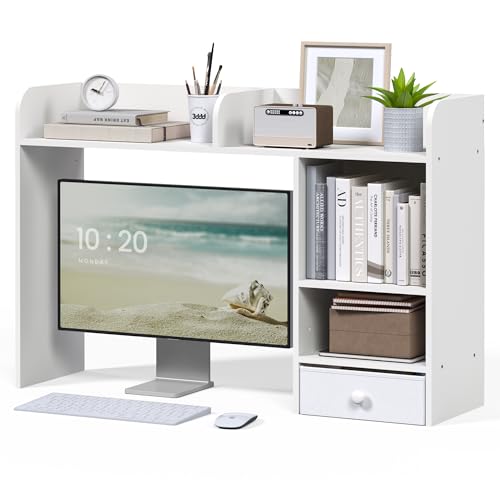
Desk Hutches: Smart Storage & Style
Maximize your workspace with the perfect desk hutch. Discover types, materials, and expert tips to choose the ideal hutch for your home office or workstation.
A desk hutch is more than just an add-on; it's a strategic upgrade that transforms your desk into a highly organized and efficient workstation. Whether you're looking to declutter your surface, add vertical storage, or create a more professional look, a desk hutch offers a practical and stylish solution. This guide covers everything you need to know about desk hutches, from materials and types to choosing the perfect one for your needs.
Why Add a Desk Hutch?
A desk hutch elevates your workspace by providing:
- Vertical Storage: Utilize unused vertical space for books, files, decor, and office essentials without cluttering your main work surface.
- Improved Organization: Keep frequently used items within arm's reach, reducing time spent searching for pens, notes, or reference materials.
- Enhanced Aesthetics: A well-chosen hutch complements your desk and room decor, creating a cohesive and professional look.
- Added Desk Space: By moving items off the desktop, you free up valuable surface area for your computer, writing, or other tasks.
- Versatility: Ideal for home offices, corporate workstations, student desks, and even gaming desks where space is at a premium.
Types of Desk Hutches
Desk hutches come in various configurations to suit different needs and desk setups. Understanding these types will help you choose the right one.
1. Standard Desk Hutches
These sit directly on top of your desk and often feature a combination of open shelves, cubbies, and sometimes a small drawer or cabinet. They are the most common type and offer a good balance of storage and display space. They work well with writing desks and compact desks.
2. Hutch with Drawers
These hutches include built-in drawers on the lower section, providing concealed storage for small items like stationery, tech accessories, or important documents. They are excellent for keeping your desk surface clutter-free.
3. Hutch with Shelves and Pegboard
This modern take combines open shelving with a pegboard back panel. It allows for customizable organization—hang small baskets, hooks for headphones, or even small plants. Perfect for creative or desk organizers enthusiasts.
4. Corner Desk Hutches
Designed specifically for corner standing desks or L-shaped desks, these hutches maximize corner space. They often have a triangular or angled design to fit seamlessly into the corner.
5. Floating or Wall-Mounted Hutches
Instead of sitting on the desk, these are mounted to the wall above the desk. They free up the entire desk surface and can be positioned at the perfect height. Ideal for floating desks and minimalist setups.
Materials & Construction
The material of your desk hutch affects its durability, aesthetics, and price. Here are the common choices:
Solid Wood
Premium, durable, and timeless. Options like oak desks and walnut desks match well with solid wood hutches. Offers a rich, natural look and can be refinished.
$300–$900+Wood Veneer
Affordable yet attractive. A thin layer of real wood over engineered wood. Provides a similar aesthetic to solid wood at a lower cost. Common in veneer desks.
$150–$500Laminate
Durable, scratch-resistant, and easy to clean. Available in many colors and patterns, including wood-look. Great for laminate desks.
$100–$350Metal & Glass
Modern and sleek. Metal frames with glass shelves create an open, airy feel. Often found in contemporary glass desks setups.
$200–$600MDF / Particle Board
Budget-friendly and lightweight. Often used for basic hutches. Can be less durable but adequate for light to moderate use. Common with MDF desks.
$70–$250Choosing the Perfect Desk Hutch
With so many options, consider these factors to make the right choice:
- Measure Your Desk: Know the width, depth, and height of your desk. The hutch should fit comfortably without overhanging or blocking your workspace. Also, check the weight capacity of your desk.
- Assess Your Storage Needs: What do you plan to store? Books? Office supplies? Decor? This determines the shelf height and number of compartments you need. For paper-heavy workspaces, consider a hutch with a desk paper management feature.
- Match Your Style: The hutch should complement your desk and room. Consider the color, material, and overall design. A minimalist desk challenge might call for a clean, simple hutch.
- Consider Monitor Placement: If you use a large monitor, ensure the hutch doesn't obstruct it. Some hutches have lower shelves or can be positioned off-center. A monitor light bar might also be affected.
- Assembly & Installation: Some hutches require assembly, while others are ready to use. Wall-mounted options require more effort to install but offer greater flexibility.
- Budget: Prices vary widely. Set a realistic budget that balances quality and features. Remember, a well-made hutch is an investment in your productivity and comfort.
Installation & Organization Tips
Once you have your hutch, here's how to get the most out of it:
- Weight Distribution: Place heavier items on the lower shelves to maintain stability and prevent the hutch from tipping.
- Cable Management: Use the hutch to hide or route cables. Consider cable raceways or cable sleeves to keep things tidy.
- Decorate Wisely: Add desk plants, framed photos, or a small desk lamp to personalize your space without overcrowding.
- Keep It Clean: Regularly dust and organize your hutch to maintain a productive environment.
💡 Pro Tip
For a cohesive look, choose a hutch that matches the material and finish of your existing desk. If you have an executive desk, a solid wood hutch adds a touch of class. For a bamboo desk, a bamboo or light-colored hutch keeps the vibe natural.
Frequently Asked Questions
- Can any desk support a hutch? Most sturdy desks can, but check the weight capacity, especially for sit-stand desks. Electric standing desks often have higher weight limits.
- Are desk hutches worth it? Absolutely! They offer excellent vertical storage, help declutter your workspace, and can improve productivity by keeping essentials organized.
- Can I use a hutch on a standing desk? Yes, but ensure the hutch is securely attached and doesn't interfere with the desk's lifting mechanism. Lightweight materials like laminate or metal are good choices.
- How do I clean a desk hutch? Use a soft, damp cloth for most materials. For wood, use a dedicated wood cleaner. For laminate or glass, a glass cleaner works well.
- Where can I find affordable hutches? Many budget-friendly options are available online and in-store. Check budget standing desks sections for compatible accessories.