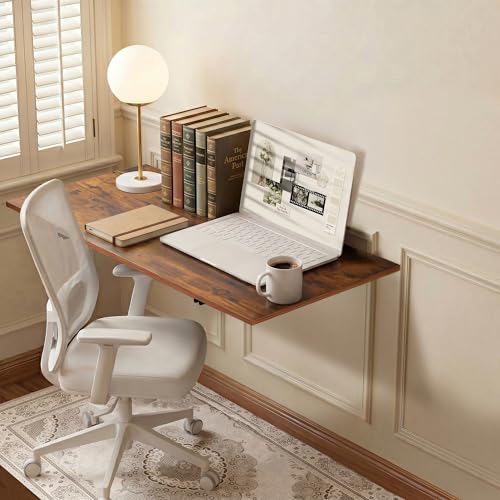
Floating Desks: Smart, Space-Saving Wall-Mounted Workstations
Transform any wall into a productive workspace. Discover the best floating desks, materials, installation tips, and style ideas to maximize your area.
Why choose a floating desk? Floating desks (or wall-mounted desks) offer a minimalist, clutter-free solution that frees up floor space and adds modern elegance to any room. Whether you need a compact workstation for a small home office, a sleek study area in the living room, or a functional desk in a bedroom, floating desks deliver style and practicality.
A floating desk is mounted directly to the wall, creating a clean, suspended look without traditional legs. This design not only makes cleaning easier but also gives the illusion of more space — perfect for small spaces or minimalist interiors. With the right wall anchors and a sturdy surface, a floating desk can support monitors, laptops, books, and more.
Types of Floating Desks
🪵 Wooden Floating Desks
Warm, durable, and timeless. Solid wood like walnut or oak brings natural beauty, while bamboo offers eco-friendly strength. For a budget-friendly option, consider plywood or laminate with a wood veneer finish.
$200–$800+🪞 Glass & Metal Floating Desks
Modern and airy. Tempered glass desks with metal brackets create a sleek, contemporary look. They are easy to clean and reflect light, making small rooms feel bigger. Ideal for modern home offices or creative studios.
$180–$700📐 Corner Floating Desks
Maximize unused corners with an L-shaped or triangular floating desk. Perfect for multi-monitor setups or dual workspaces. Combine with corner organizing tips to keep everything within reach.
$250–$1,200🔧 DIY Floating Desks
Build your own custom wall desk using desk frames or brackets and your choice of desk tops. Follow our DIY desk plans for step-by-step instructions and create a desk that perfectly fits your space and style.
$80–$400 (materials)Best Materials for Floating Desks
The material you choose affects durability, weight, and aesthetics. Since floating desks rely on wall brackets, lighter materials are often easier to install, but solid wood offers superior strength and longevity.
- Solid Wood (Walnut, Oak, Maple): Premium look, supports heavy loads, ages beautifully. Ideal for a executive or writing desk feel.
- Bamboo: Sustainable, lightweight, and strong. Great for eco-conscious users.
- Plywood & MDF: Affordable, stable, and easy to paint or veneer. Check MDF desks for budget options.
- Laminate: Scratch-resistant, water-resistant, available in many patterns. A practical choice for kids' desks or high-use areas.
- Tempered Glass: Modern, easy to clean, but requires careful mounting due to weight.
- Metal (Steel or Aluminum): Industrial style, extremely durable. Often used as the frame or entire surface.
For care tips, explore our guides on how to clean wood desks, protect desk surfaces, and repair scratches to keep your floating desk looking new.
How to Install a Floating Desk
Proper installation is critical for safety and stability. Always mount your floating desk into wall studs or use heavy-duty anchors for drywall. Follow these steps for a secure setup:
- Choose the right height: Standard desk height is 28–30 inches from the floor. Use a desk height calculator for ergonomic accuracy.
- Locate wall studs: Use a stud finder to mark positions for brackets. For heavy desks, use at least two brackets screwed into studs.
- Attach brackets: Secure heavy-duty brackets using lag bolts or toggle bolts. Ensure they are level.
- Mount the desk top: Place your chosen desk top onto the brackets and screw it in from underneath.
- Hide cables: Use under-desk cable management trays or raceways to keep cords tidy and maintain the floating aesthetic.
If you're not confident in DIY installation, hire a professional. A poorly installed floating desk can be dangerous.
Style Your Floating Desk
A floating desk is a blank canvas. Enhance it with desk decor that reflects your personality and boosts productivity.
🌿 Add Greenery
Place desk plants like succulents or a small terrarium to bring life to your workspace. Choose low-maintenance plants if you're not a green thumb.
💡 Lighting Matters
A desk lamp or monitor light bar reduces eye strain and adds ambiance. For a modern touch, use LED strip lighting under the desk.
📦 Keep It Organized
Use desk organizers, wall-mounted organizers, and side pockets to keep essentials accessible without cluttering the surface.
🖥️ Tech Setup
Pair your floating desk with a monitor arm to free up even more space. Keep your devices charged with a charging station and manage cables with cable trays.
For complete style inspiration, browse our desk setup & layout guides to see how others have designed their floating desk workspaces.
Floating Desk Buying Guide & FAQ
What weight can a floating desk hold? Most quality floating desks support 100–200 lbs, depending on bracket strength and wall type. Always check the manufacturer's weight limit.
Are floating desks suitable for gaming setups? Yes, many gaming desks are now available in floating styles. Just ensure the desk can support multiple monitors and peripherals.
Can I install a floating desk in a rental? Yes, but you may need to patch holes when moving out. Use removable wall anchors or consult your landlord.
What's the average cost of a floating desk? Prices range from $100 for basic laminate to $1,500+ for premium solid wood with custom finishes. For budget options, check budget-friendly desks that can be wall-mounted.
Need more desk ideas? Explore our desk types directory for everything from electric standing desks to L-shaped desks and compact desks.
Ready to elevate your workspace?
Browse our recommended floating desks below and find the perfect match for your home or office. Each product is selected for quality, durability, and style.