Protect Your Desk Surface: The Ultimate Care Guide
Learn how to shield your desk from scratches, water rings, heat damage, and daily wear. Keep your workspace looking pristine for years.
Your desk is the command center of your productivity, creativity, and work. Whether it’s a beautiful walnut desk, a sturdy oak desk, or a modern glass desk, protecting its surface is essential to maintain its beauty and functionality. This guide covers everything you need to know about desk surface protection, from daily habits to long-term maintenance strategies.
If you're dealing with existing damage, check out our guides on repair desk scratches or refinish desk to restore your surface. But prevention is always better than cure – let's dive into the best ways to protect your desk.
1. Know Your Desk Material
The first step in protecting your desk surface is understanding what it's made of. Different materials require different care and protection methods.
- Solid Wood (Oak, Walnut, Cherry): Porous and susceptible to moisture, heat, and scratches. Needs regular sealing and conditioning. Learn more about clean wood desk techniques.
- Engineered Wood (MDF, Plywood, Laminate): More resistant to moisture than solid wood, but can still be damaged by excessive water or heat. Laminate surfaces are durable but can scratch or chip.
- Glass: Scratch-resistant but prone to smudges, fingerprints, and cracks under heavy impact. Easy to clean but requires careful handling.
- Metal: Very durable, but can rust or corrode if exposed to moisture. Often coated with protective paint or powder coating.
- Bamboo: Eco-friendly and durable, but can be scratched or stained if not properly sealed. See our bamboo desks guide.
- Concrete or Epoxy Resin: Modern and stylish, but can be stained or scratched without proper sealing. Requires specific care products.
2. Daily Protection Habits
Small daily habits can significantly extend the life of your desk surface. Here are the most effective practices you can adopt today:
2.1 Use a Desk Mat or Blotter
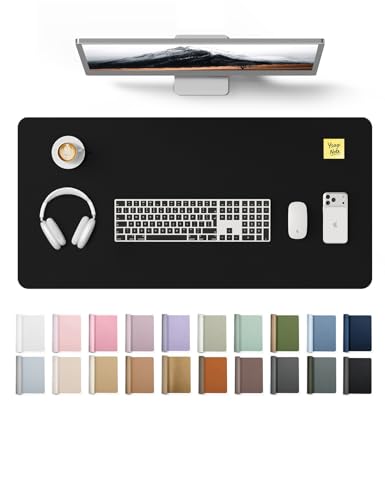
A high-quality desk mat is your desk's first line of defense. It protects against scratches, spills, and heat while providing a smooth writing surface. Choose from leather, felt, or synthetic materials.
2.2 Always Use Coasters & Trivets
Never place a hot cup, cold drink, or wet glass directly on your desk. Use coasters and trivets to prevent water rings and heat marks. This is especially critical for wood desks.
2.3 Keep a Clean Workspace
Dust and debris can act like sandpaper, causing micro-scratches over time. Wipe your desk regularly with a soft, dry microfiber cloth. For deeper cleaning, use products recommended for your specific material.
2.4 Use a Keyboard Tray or Wrist Rest
Prevent wear in high-contact areas by using a keyboard tray or wrist rests. This reduces friction and protects the desk surface from constant rubbing.
2.5 Be Mindful of Sharp Objects
Scissors, knives, or even the corners of laptops can scratch your desk. Use a cutting mat or padded surface when working with sharp tools, and place a soft cloth under heavy or sharp objects.
3. Long-Term Protection: Sealants & Finishes
For wood and certain other materials, applying a protective sealant is the best way to prevent damage. Here's what you need to know:
3.1 Varnish & Polyurethane
These clear coatings create a durable, waterproof barrier. They are ideal for high-use desks and come in various sheens (matte, satin, gloss). Reapply every few years for best results.
3.2 Oil Finishes (Tung Oil, Linseed Oil)
Natural oils penetrate the wood, enhancing its color while providing moisture resistance. They require reapplication every 6-12 months but are easier to repair than polyurethane.
3.3 Wax
Beeswax or carnauba wax adds a soft sheen and a layer of protection. It's easy to apply but less durable than varnish. Best for decorative or low-use desks.
3.4 Specialized Products for Other Materials
For glass, use anti-smudge coatings. For metal, apply a clear coat or rust inhibitor. For bamboo, use a penetrating sealer designed for bamboo. Always follow the manufacturer's instructions.
4. Protection by Desk Type
Different desk setups have unique protection needs. Here’s how to protect your specific desk:
4.1 Standing Desks
Electric and manual standing desks often have a moving mechanism. Keep the surface clear of debris that could interfere with the motor or lifting columns. Use a mat or pad on the surface to protect against scratches from monitors and laptops. See electric standing desks for more tips.
4.2 L-Shaped & Corner Desks
These large desks have more surface area, so they are more prone to clutter and potential damage. Use a combination of desk organizers and protective mats. Pay extra attention to the inner corner, which is a high-traffic area.
4.3 Gaming Desks
Gaming desks often feature RGB lighting and cable management holes. Protect the surface from spills and heavy monitors. Use a large desk pad that covers the main gaming area. For more, read our gaming desks guide.
4.4 Home Office Desks
Your home office desk may be used for everything from writing to eating lunch. Invest in a high-quality, waterproof desk mat and use spill-proof containers. Learn more about home office desks.
5. Emergency Response & Repair
Accidents happen. Here's how to minimize damage when they do:
- Spills: Blot (don't rub) immediately with a clean, dry cloth. For sticky spills, use a damp cloth with mild soap, then dry thoroughly.
- Heat Marks: White heat rings on wood can often be removed by applying a thin layer of mayonnaise or a specialized heat-mark remover. Leave for a few hours, then wipe clean.
- Scratches: For minor scratches, try a scratch-concealing marker or a walnut kernel (rub it into the scratch). For deeper scratches, see our repair desk scratches guide.
- Water Rings: Mix baking soda with a few drops of water to form a paste. Apply to the ring, let it sit for 10 minutes, then gently wipe away.
6. Organize to Protect
A cluttered desk is more likely to get damaged. Here’s how organization helps:
- Cable Management: Loose cables can snag and drag objects across your desk. Use cable trays, cable sleeves, and under-desk cable management to keep them tidy.
- Storage Solutions: Use desk organizers, drawer organizers, and desk side pockets to keep items off the surface. This reduces the risk of scratches and spills.
- Monitor Placement: Use a monitor stand with storage to keep your monitor stable and free up desk space.
- Vertical Storage: Use floating shelves or wall-mounted organizers to keep essential items within reach but off the desk surface.
7. Weekly & Seasonal Maintenance
Consistent maintenance is key to long-term protection. Here's a simple routine:
- Weekly: Dust and wipe down the surface. Clean any spills or stains immediately. Rotate items on your desk to prevent uneven wear.
- Monthly: Apply a surface-specific conditioner or polish (for wood) to keep it nourished and protected. Check for any loose screws or hardware.
- Seasonally: Reapply sealant if needed. Clean underneath the desk and around the legs. Reorganize cables and check for any signs of damage or moisture.
For more organizational routines, explore our weekly desk reset and minimalist desk challenge guides.
Conclusion: A Well-Protected Desk Lasts a Lifetime
Protecting your desk surface is not just about maintaining its appearance—it's about protecting your investment and creating a workspace that inspires productivity. By understanding your desk material, adopting daily habits, using sealants, and staying organized, you can keep your desk looking new for years.
Remember, the best protection is prevention. Start implementing these tips today, and your desk will thank you. For more desk care tips, check out our desk tips & guides section.