
Ergonomic Mice – Comfort Meets Productivity
Upgrade your desk experience with the best ergonomic mice. Reduce wrist strain, boost precision, and work comfortably all day.
Shop Top PicksWhy ergonomic mice matter: Hours at your desk shouldn’t cost you your wrist health. Ergonomic mice are designed to support natural hand postures, reduce repetitive strain, and enhance control. Whether you're a designer, developer, or office worker, the right mouse makes all the difference.
What Makes a Mouse Ergonomic?
Vertical Design
Keeps your hand in a handshake position, reducing forearm rotation and alleviating pressure on the carpal tunnel.
Adjustable DPI
Switch sensitivity on the fly for precision work or fast navigation. Ideal for multi‑monitor setups.
Programmable Buttons
Customize shortcuts for your workflow. Boost productivity with macros and app‑specific profiles.
Wired or Wireless
Choose low‑latency wired or cable‑free freedom. Both options available to match your desk setup.
Ergonomic Mouse Types Compared
- Vertical MouseBest for wrist pain, natural handshake grip
- Trackball MouseMinimal arm movement, great for limited desk space
- Traditional ErgonomicContoured shape, supports palm and claw grips
- Stylus / Pen MousePrecision for graphic design and detailed work
Not sure which is right for you? Check our desk tips for more ergonomic guidance.
How to Choose the Perfect Ergonomic Mouse
Selecting an ergonomic mouse goes beyond just picking a shape. Consider these factors to make the best choice for your needs:
- Hand size: Measure your hand length to find a mouse that fits comfortably. Most brands offer small, medium, and large sizes.
- Grip style: Do you use a palm, claw, or fingertip grip? Different ergonomic designs cater to each style.
- Connectivity: Wireless gives you freedom, wired offers zero latency. Hybrid options are also available.
- Extra features: Look for adjustable weights, RGB lighting (for gaming), and rechargeable batteries.
- Software support: Some mice come with powerful customization software to fine‑tune sensitivity and button mapping.
For a complete ergonomic workstation, pair your mouse with a monitor arm and an ergonomic chair to maximize comfort and productivity.
Top Benefits of Upgrading to an Ergonomic Mouse
- ✅ Reduces wrist and arm fatigue
- ✅ Prevents repetitive strain injuries
- ✅ Enhances precision and control
- ✅ Boosts overall workflow speed
- ✅ Customizable to your specific tasks
- ✅ Long‑term health investment
Many users report noticeable relief within days of switching to an ergonomic mouse. If you spend more than 4 hours a day at your computer, it's a worthwhile upgrade. Explore our curated selection below – all products are vetted for quality and performance.
Complement your new mouse with other desk essentials like desk mats, keyboard trays, and footrests to complete your ergonomic workspace.
Top Ergonomic Mice – Editor's Picks
⚠️ AFFILIATE DISCLOSURE: This website contains affiliate links. As an Amazon Associate, we earn from qualifying purchases. If you make a purchase through these links, we may receive a small commission at no additional cost to you. Read our full affiliate policy.

Anker 2.4G Wireless Ergonomic Mouse, Right Hand Vertical Mouse USB Receiver | Multi-Device Connectivity, 800/1200/1600 DPI, Wireless Mouse for Laptop, Desktop, PC, 5 Buttons, Black (Batteries Required)
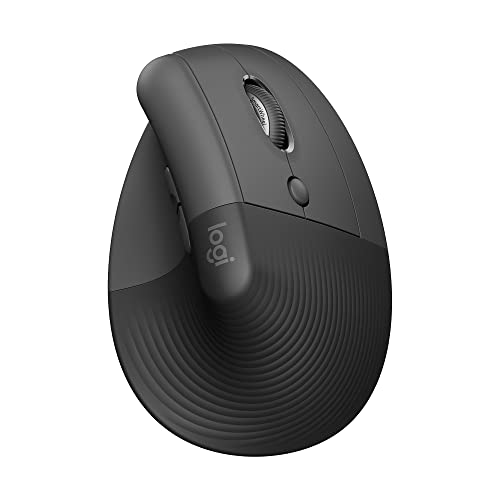
Logitech Lift Vertical Ergonomic Wireless Mouse - Graphite | Connect via Bluetooth or included Logi Bolt USB-A receiver, quiet clicks, 4 of 6 buttons customizable, Windows Mac compatible

ProtoArc EM11 NL Wireless Ergonomic Vertical Mouse, Rechargeable, Black | 58° vertical design supports a natural wrist posture, connect 3 devices via Bluetooth/2.4G USB-A, 500mAh USB-C rechargeable.

Logitech Lift Vertical Ergonomic Wireless Mouse - Rose | Connect via Bluetooth or included Logi Bolt USB-A receiver, quiet clicks, 4 of 6 buttons customizable, Windows Mac compatible

Logitech MX Vertical Wireless Mouse Ergonomic Design - Graphite | Reduces muscle strain, move content between 3 Windows and Apple computers, rechargeable

TECKNET Ergonomic Mouse, 4800 DPI Wireless Bluetooth Vertical, 3-Device | Switch Among 3 Devices, 6 DPI Levels, BT 5.0/2.4G USB-A, Quiet Clicks, 6 Buttons, Battery-Powered, Right-Handed, Black

JYKEYMOUT Bluetooth and 2.4G (2-in-1) Rechargeable Wireless Mouse, Ergonomic Vertical Design, 1000/1200/1600 DPI, 6 Silent Buttons, for Laptop, Computer, PC, MacBook, Chromebook-Black

Lekvey Ergonomic Mouse, Rechargeable Vertical Wireless Mouse, Comfort Grip | Long Battery Life, USB-C Charging, Quiet Click, Carpal Tunnel Support, 2.4G Wireless, 3DPI 800/1200/1600, for Laptop, Mac, PC
Ready to upgrade? All products listed are carefully selected to ensure you get the best value and comfort. Click any product to check the latest price and customer reviews on Amazon.