Desk Stretching Guide: 10 Moves for a Healthier Workday
Combat stiffness, reduce back pain, and boost your energy with these simple desk stretches. Designed for anyone who sits for long hours.
Jump to Stretches ↓Why Desk Stretching Matters: Sitting for hours at your desk can lead to tight hips, a stiff neck, and aching shoulders. Regular desk stretching not only relieves tension but also improves circulation, enhances focus, and prevents long-term musculoskeletal issues. Whether you're a remote worker, a student, or a gamer, these stretches are your secret weapon for staying comfortable and productive.
Why You Need to Stretch at Your Desk
Prolonged sitting can shorten your hip flexors, weaken your glutes, and round your shoulders forward. This “sitting disease” is linked to back pain, poor posture, and even reduced energy levels. Proper sitting posture is the foundation, but stretching is the key to maintaining flexibility and preventing injury.
Integrating a few minutes of stretching into your work routine can:
- Relieve muscle tension and stiffness.
- Improve blood flow and oxygen to the brain.
- Enhance your focus and productivity.
- Reduce the risk of repetitive strain injuries.
For a complete ergonomic setup, also check our guide on monitor placement and desk height calculator to ensure your workspace is aligned with your body.
10 Essential Desk Stretches
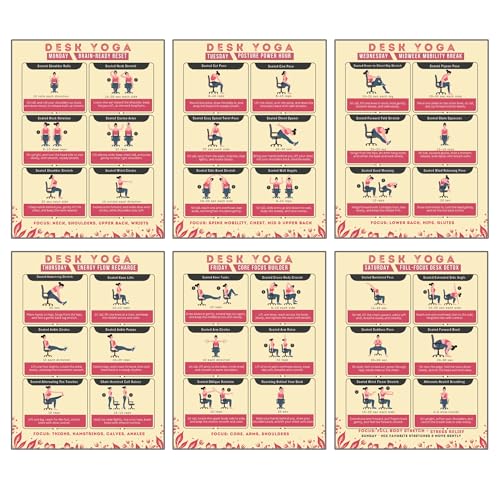
Perform these stretches every 1–2 hours. Hold each for 15–30 seconds and breathe deeply. Never stretch to the point of pain.
1. Neck Tilts
Gently tilt your head toward your right shoulder. Hold. Repeat on the left. This releases tension in the neck and upper traps.
2. Shoulder Rolls
Roll your shoulders forward in a circular motion, then backward. This loosens the shoulders and improves upper back mobility.
3. Upper Back Twist
Sit tall and gently twist your torso to the right, using the back of your chair for support. Repeat left. Great for spinal mobility.
4. Chest Opener
Clasp your hands behind your back and straighten your arms. Lift your hands slightly and open your chest. Counteracts rounded shoulders.
5. Wrist & Forearm Stretch
Extend your arm with palm up and gently pull your fingers back. Then, turn your palm down and pull. Prevents wrist strain from typing.
6. Seated Cat-Cow
Arch your back and look up (Cow), then round your back and tuck your chin (Cat). This mobilizes the entire spine.
7. Hip Flexor Stretch
Slide to the edge of your chair, extend one leg back with toes on the floor, and gently press your hips forward. Releases tight hips from sitting.
8. Glute Squeeze
Sit tall and squeeze your glute muscles together for 5 seconds, then release. This activates your glutes and helps maintain proper sitting posture.
9. Side Stretch
Raise your right arm overhead and lean to the left. Feel the stretch along your right side. Repeat on the other side.
10. Ankle Rotations
Lift your foot and rotate your ankle in circles. Do both directions. This improves circulation and prevents stiffness in the lower legs.
For a more dynamic routine, consider alternating with a sit-stand routine or using a standing desk to break up prolonged sitting.
Combine Stretching with Ergonomic Setup
Stretching is most effective when your workspace is already ergonomically sound. A poorly arranged desk can counteract the benefits of stretching. Ensure your:
- Monitor is at eye level and arm's length away. See our monitor placement guide for details.
- Keyboard and mouse are within easy reach to avoid overextending your arms. Consider a keyboard tray for optimal positioning.
- Chair supports your lower back and allows your feet to rest flat on the floor (or on a footrest).
For a complete overhaul, explore our complete sit-stand desk guide and learn how to alternate between sitting and standing to keep your body active throughout the day.
Building a Desk Stretching Habit
Consistency is key. Set a timer to remind you to stretch every hour. Pair your stretches with other healthy habits like desk timer methods (e.g., Pomodoro) to create a routine that supports both productivity and well-being.
If you're setting up a new workspace, start with our first desk setup guide to ensure your foundation is ergonomic from day one. A well-designed workspace naturally encourages better posture and makes stretching more effective.
Remember, a few minutes of stretching can save you hours of discomfort. Listen to your body and make desk stretching a non-negotiable part of your workday.