Monitor Placement Guide: The Science of Screen Position
Unlock better posture, less eye fatigue, and sharper focus with the perfect monitor height, distance, and angle. Your desk setup starts here.
Why Monitor Placement Matters
Your monitor is the window to your work. When it's placed incorrectly, even the best desk ergonomics can't save you from neck pain, dry eyes, or brain fog. This guide distills decades of ergonomic research into actionable steps. Whether you use a single screen or a multi-monitor array, these principles apply to every computer desk setup.
We'll cover the three pillars of monitor placement: height, distance, and angle. Plus, we'll tackle dual-monitor configurations and special considerations for standing desks.
1. Ideal Monitor Height: Eye-Level Alignment
The top of your monitor screen should be at or slightly below eye level. When you sit upright, your gaze should fall naturally on the top third of the screen. This keeps your neck in a neutral, relaxed position.
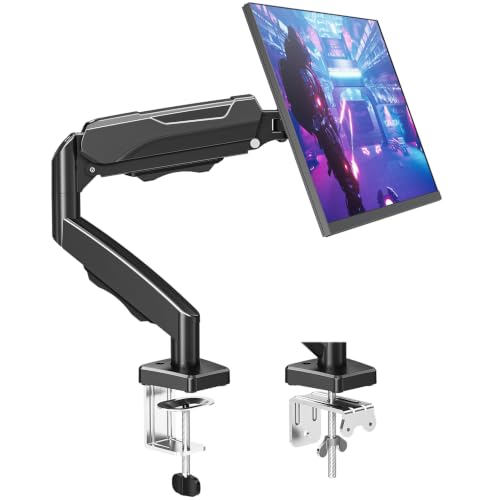
For most people, this means the screen's center is about 15–20° below horizontal eye level. Use a monitor stand or an adjustable monitor arm to dial in the perfect height. If you wear bifocals or progressive lenses, you may need to lower the monitor slightly to avoid tilting your head back.
2. Optimal Viewing Distance: Arm's Length Rule
Sit back in your chair and extend your arm. Your fingertips should just touch the center of your monitor. This "arm's length" rule ensures you're not too close (causing eye strain) or too far (making text hard to read).
For larger screens (32″ or more), push the monitor back a few inches to maintain a comfortable field of view. If you wear reading glasses, you might need to adjust distance to keep text sharp. A desk depth guide can help you plan your workspace dimensions.
3. Screen Angle & Tilt: Reduce Glare
Your monitor should be perpendicular to your line of sight, with a slight upward tilt (about 10–15°) to reduce glare from overhead lights. Avoid extreme tilts that force you to crane your neck.
- Vertical tilt: Tilt the screen back slightly (top edge farther from you) to align with your natural gaze angle.
- Horizontal angle: Center the screen directly in front of you. For dual monitor setups, position the primary screen straight ahead and the secondary at a 30° angle.
- Glare: Position your monitor so windows are to the side, not in front or behind. Use a matte screen filter if needed.
For L-shaped desk setups, place your main monitor in the corner or on the longest side to maintain a neutral posture. Avoid placing screens at awkward angles that twist your spine.
4. Dual & Multi-Monitor Configurations
Two screens can double your productivity—if set up correctly. The key is symmetry and minimizing head movement.
- Primary screen: Directly in front of you, aligned with your nose.
- Secondary screen: Positioned to the side at a 25–30° angle, with the inner edge close to the primary.
- Height: Both screens should be at the same height. Use a dual monitor arm for easy adjustment.
- For triple monitors: Place the primary in the center, secondaries at 30° angles. Consider a curved setup if you have the desk space.
If you frequently use a laptop as a secondary screen, place it on a laptop stand to bring it to eye level. This prevents the "turtle neck" posture.
5. Monitor Placement for Standing Desks
When using an adjustable-height standing desk, your monitor position must change as you change height. Here's how to stay aligned:
- Set your standing desk to elbow height (elbows at 90°).
- Raise or lower your monitor so the top is at or just below eye level.
- Maintain the same arm's length distance as when sitting.
- Use a monitor arm with pneumatic or gas-spring adjustment for quick changes.
If you switch between sitting and standing frequently, mark the ideal monitor heights on your arm's post for quick reference.
6. Accessories That Enhance Your Setup
Beyond the monitor itself, these tools help you maintain perfect placement:
- Monitor stands and risers – for height adjustment without an arm.
- Monitor arms – full range of motion, great for sit-stand desks.
- Ergonomic accessories – keyboard trays and footrests complement proper posture.
- Desk lighting – reduces eye strain and improves screen contrast.
- Power accessories – keep cables tidy so your monitor doesn't wobble.
Remember: the best monitor placement is useless if your chair and desk aren't aligned. Check your overall ergonomic desk setup for a holistic approach.
Quick Placement Checklist
- ☑ Top of screen at or slightly below eye level
- ☑ Arm's length distance (20–30″)
- ☑ Slight upward tilt (10–15°)
- ☑ Glare minimized (windows to the side)
- ☑ For dual monitors: primary center, secondary angled
- ☑ For standing desks: re-adjust height when changing position
Take a photo of your setup and compare it to this checklist. Small adjustments make a big difference in comfort and focus.
Build Your Perfect Workspace
Proper monitor placement is the foundation of a productive, pain-free workspace. Combine these principles with a quality desk surface, a supportive ergonomic chair, and good lighting to create a space where you can thrive. Explore our other guides on desk ergonomics and cable management to complete your setup.
Remember: your body will tell you if something's wrong. Listen to the signals, adjust, and enjoy a healthier workday.