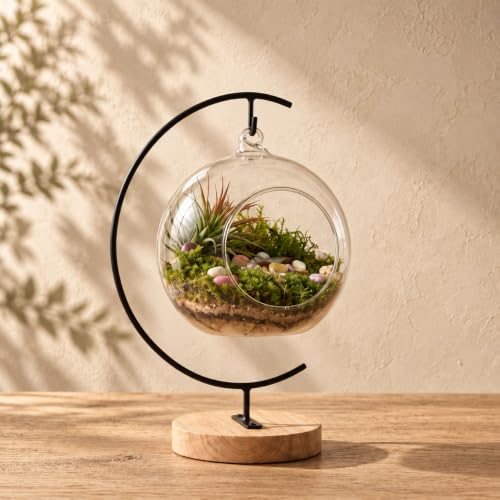
Desk Terrariums: Miniature Gardens for a Calmer, Greener Workspace
Bring life to your desk with a self-sustaining ecosystem. Discover how desk terrariums reduce stress, improve air quality, and add a unique aesthetic to your workspace surface.
What is a desk terrarium? A terrarium is a glass container housing plants, soil, and decorative elements. Unlike potted plants, terrariums create a miniature ecosystem — often requiring minimal maintenance. They are the perfect desk decor solution for anyone who wants greenery without the hassle of frequent watering or large pots.
Why Choose a Desk Terrarium?
Terrariums are not just decorative — they offer measurable benefits for your well-being and productivity. Here’s why they are becoming a must-have accessory for modern workspaces.
🌿 Stress Reduction
Studies show that even a small amount of greenery can lower cortisol levels and improve mood. A desk terrarium provides a calming visual break during intense work sessions, helping you reset and refocus.
💧 Low Maintenance
Closed terrariums recycle moisture — you may only need to water them once every few months. Open terrariums with succulents require watering every 1–2 weeks. Perfect for busy professionals.
🌱 Biophilic Aesthetic
Biophilic design connects us to nature. A well-designed terrarium adds texture, color, and organic shape to your desk, making it feel warmer and more inviting. It’s a conversation starter and a personal expression of style.
🪴 Improved Air Quality
Plants naturally filter indoor air pollutants. While a single terrarium won’t purify an entire room, it contributes to a healthier microclimate around your workspace.
Types of Desk Terrariums
Choosing the right terrarium depends on your available space, light conditions, and how much time you want to spend on care. Here are the most popular types for desks.
🌐 Closed (Sealed) Terrariums
These are completely sealed glass containers (like apothecary jars or bell jars). They create a self-watering ecosystem: moisture evaporates, condenses on the glass, and drips back to the soil. Ideal for ferns, mosses, and tropical plants that love high humidity.
- Care level: Very low (water every 1–3 months)
- Best for: Low-light desks, people who travel often
- Popular plants: Moss, fittonia, baby tears, nerve plants
🌵 Open Terrariums
Open containers (bowls, dishes, or geometric vases) allow airflow. They are perfect for succulents, cacti, and air plants that prefer drier conditions. Watering is more frequent but still manageable.
- Care level: Moderate (water every 1–2 weeks)
- Best for: Bright, sunny desks
- Popular plants: Echeveria, haworthia, aloe, lithops
How to Build a Desk Terrarium (Step-by-Step)
Creating your own terrarium is a fun DIY project that lets you customize size, shape, and plants. Follow these steps to build a thriving miniature garden.
- Choose your container – Select a clear glass vessel with or without a lid. Make sure it’s clean and dry.
- Add a drainage layer – Place 1–2 inches of small pebbles or gravel at the bottom to prevent waterlogging.
- Add activated charcoal – A thin layer of horticultural charcoal keeps the soil fresh and prevents odors.
- Add potting soil – Use a quality potting mix suitable for your plant type (cactus mix for succulents, peat-based for ferns).
- Arrange your plants – Start with the largest plant in the back or center, then add smaller ones around. Use tweezers or a long spoon for precision.
- Add decorative elements – Stones, driftwood, moss, or figurines add personality. Keep it simple so the plants remain the focus.
- Water gently – For closed terrariums, spray lightly until the soil is moist but not soggy. For open terrariums, water the soil directly.
Desk Terrarium Care Guide
A little attention goes a long way. Follow these tips to keep your terrarium healthy and beautiful for years.
💡 Light
Most terrarium plants prefer bright, indirect light. Avoid direct sunlight as it can overheat the glass and scorch leaves. A desk near a north- or east-facing window is ideal. If your desk is in a darker corner, consider a small grow light or desk lamp with a full-spectrum bulb.
💧 Watering
Closed terrariums: look for condensation on the glass — if there’s none, mist lightly. If there’s too much, open the lid for a day. Open terrariums: water when the soil feels dry to the touch. Always use filtered or distilled water to avoid mineral build-up on glass.
✂️ Pruning & Cleaning
Remove yellow or dead leaves promptly to prevent rot. Wipe the glass inside and out with a soft cloth to maintain clarity. Trim overgrown plants to keep your terrarium looking tidy and proportional.
🔄 Rotation
Turn your terrarium occasionally so all sides receive equal light. This encourages balanced growth and prevents your plants from leaning toward the window.
Best Plants for Desk Terrariums
Not all plants thrive in terrarium conditions. Here are the top choices for closed and open terrariums.
🌿 Moss
Perfect for closed terrariums. Loves humidity and low light.
🌱 Fittonia (Nerve Plant)
Vibrant veined leaves. Thrives in closed, humid environments.
🌵 Echeveria
Rosette-shaped succulent. Ideal for open terrariums with bright light.
🪴 Haworthia
Zebra-striped succulent. Slow-growing and very forgiving.
🌿 Baby Tears
Tiny, delicate leaves. Creates a lush carpet effect in closed terrariums.
🌸 Air Plants (Tillandsia)
No soil needed. Mist regularly. Great for open, airy terrariums.
Styling Your Desk with Terrariums
A terrarium is more than a plant — it’s a design element. Here’s how to integrate it seamlessly into your desk setup and overall workspace aesthetic.
🎨 Match Your Decor Theme
If you have a minimalist desk, choose a simple geometric terrarium with a single plant. For a cozy desk, use a larger jar with moss and driftwood. Terrariums adapt to any style — from industrial to nature-inspired.
📏 Scale & Placement
Small terrariums (4–6 inches) are perfect for compact desks. Place them near your monitor or to the side of your keyboard. For larger desks, cluster two or three terrariums of different heights for visual interest.
✨ Pair with Other Decor
Combine your terrarium with a desk lamp, a desk mat, and a phone stand for a cohesive look. Terrariums also complement plant pots and artificial plants if you want a mix of low- and high-maintenance greenery.
Terrariums vs. Other Desk Plants
Not sure whether to get a terrarium or a traditional potted plant? Here’s a quick comparison to help you decide.
Frequently Asked Questions
Do terrariums need sunlight?
Most terrarium plants thrive in bright, indirect light. Direct sunlight can overheat a closed terrarium and harm plants. Place your terrarium near a window with filtered light or under a desk lamp with a grow bulb.
How often should I water a closed terrarium?
Closed terrariums recycle moisture. You typically only need to water them every 1–3 months. Check for condensation — if the glass is foggy, it’s fine. If it’s dry, lightly mist the soil.
Can I put succulents in a closed terrarium?
No, succulents prefer dry conditions and will rot in high humidity. Use an open terrarium for succulents, cacti, and air plants.
What if my terrarium gets mold?
Mold can appear if there’s too much moisture. Remove the lid for a few days to let it dry out. Remove affected soil or leaves. Adding a layer of horticultural charcoal during setup helps prevent mold.
Are terrariums pet-safe?
Most terrarium plants are non-toxic, but some succulents (like aloe or certain euphorbias) can be mildly toxic to pets. Always check plant toxicity if you have curious cats or dogs.
Bring Nature to Your Desk Today
A desk terrarium is more than a decorative object — it’s a daily reminder to breathe, pause, and connect with nature. Whether you choose a closed moss garden or an open succulent arrangement, you’ll enjoy a calmer, more inspired workspace. Explore our curated selection of terrarium kits, containers, and accessories to find the perfect match for your desk.
Ready to start your own miniature ecosystem? Browse our recommended products below and transform your desk into a green oasis.
⚠️ AFFILIATE DISCLOSURE: This website contains affiliate links. As an Amazon Associate, we earn from qualifying purchases. If you make a purchase through these links, we may receive a small commission at no additional cost to you. Read our full affiliate policy.