Desk Tops: The Complete Guide to Materials, Sizes & Finishes
Your desk top is the foundation of your workspace. Whether you're buying a new desk, replacing an old top, or building a custom DIY desk, the surface you choose impacts durability, aesthetics, and comfort. This guide covers everything you need to know about desk tops – from solid wood to laminate, veneer to MDF – so you can make an informed decision.
Explore All Desk Materials →Why Your Desk Top Matters: The desk top is the most interacted-with part of your desk. It supports your monitor, keyboard, and all your daily essentials. Choosing the right material, size, and finish ensures longevity, comfort, and a workspace that inspires productivity. All about desks is here to guide you through every option.
Desk Top Materials: A Side-by-Side Comparison
Material Comparison Table
| Material | Durability | Aesthetics | Cost (Avg. for 60"x30") | Best For |
|---|---|---|---|---|
| Solid Wood (Oak, Walnut, Maple) | Excellent, can be refinished | Natural, rich grain, timeless | $400–$1,200+ | Premium, long-term investment |
| Bamboo | Very good, sustainable | Modern, warm, distinctive grain | $250–$600 | Eco-friendly, modern aesthetics |
| Wood Veneer | Good (with proper care) | Looks like solid wood, consistent | $150–$400 | Budget-friendly wood look |
| Laminate | Very good, scratch/stain resistant | Wide range of colors/patterns | $100–$300 | High durability, affordable |
| MDF (Medium Density Fiberboard) | Good (prone to moisture damage) | Smooth, paint-ready, uniform | $80–$200 | Budget, painted finishes |
| Plywood | Very good, strong | Visible edge layers (stylish) | $150–$350 | DIY, industrial style |
| Glass | Moderate (scratchable, fragile) | Sleek, modern, airy | $200–$500 | Contemporary, minimalistic |
* Prices are approximate and vary by brand, finish, and retailer. For current market prices, check our recommended products below.
Understanding Each Desk Top Material
Solid Wood Desk Tops
Solid wood is the gold standard for desk tops. Woods like oak, walnut, and maple offer unmatched beauty, strength, and longevity. A solid wood desk can last decades and be refinished multiple times. It's an investment in quality.
Solid wood tops are heavier and require occasional maintenance (oiling or sealing). They develop a rich patina over time, adding character to your workspace.
$400–$1,200+Bamboo Desk Tops
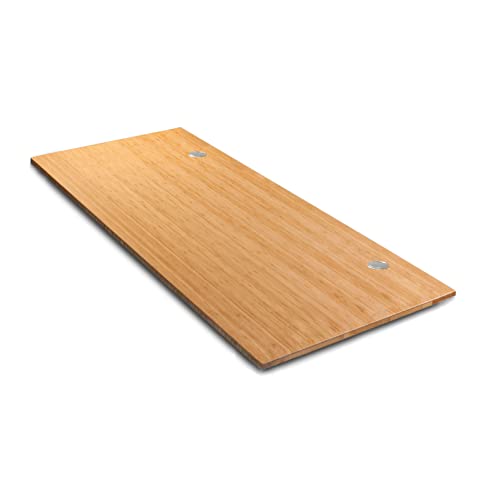
Bamboo is a sustainable, rapidly renewable resource. It's surprisingly durable, has a unique grain pattern, and offers a warm, natural aesthetic. Bamboo desk tops are lightweight yet strong, making them a great choice for standing desks.
Bamboo is also naturally water-resistant and has a lower environmental impact compared to traditional hardwoods.
$250–$600Wood Veneer Desk Tops
Wood veneer consists of a thin layer of real wood adhered to a substrate like MDF or plywood. This offers the beautiful look of solid wood at a more accessible price point. Veneer tops are lighter and less prone to warping.
High-quality veneer can be nearly indistinguishable from solid wood. However, they cannot be sanded and refinished as many times as solid wood.
$150–$400Laminate Desk Tops
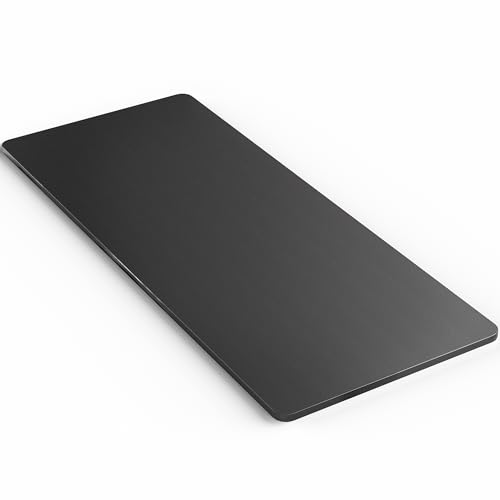
Laminate is a synthetic surface made from layers of paper or fabric impregnated with resin and bonded to a particle board core. Laminate desk tops are highly scratch-resistant, stain-resistant, and available in countless colors and patterns, including realistic wood grains.
They are easy to clean, affordable, and ideal for high-traffic or family environments. Laminate is one of the most popular choices for home office desks.
$100–$300MDF Desk Tops
MDF (Medium Density Fiberboard) is an engineered wood made from wood fibers and resin. It's smooth, dense, and takes paint beautifully. MDF desk tops are budget-friendly and perfect if you want a painted finish or a solid color.
However, MDF is susceptible to moisture damage and swelling, so it's best for indoor, dry environments. It's also heavier than particle board.
$80–$200Plywood Desk Tops
Plywood is made from layers of wood veneer glued together, creating a strong, stable, and visually interesting surface. Exposed plywood edges with visible layers are a popular design choice in industrial and modern aesthetics.
Plywood is an excellent DIY material. It's affordable, strong, and can be finished with clear coats or stains.
$150–$350Glass Desk Tops
Glass desk tops offer a sleek, modern, and minimalist look. They make a room feel more open and airy. Tempered glass is strong and safe, but it can be prone to fingerprints and scratches.
Glass tops are easy to clean and pair well with metal or wood bases. They're perfect for contemporary desk types and small spaces where you want to maintain visual lightness.
$200–$500Choosing the Right Size & Thickness
Standard Desk Top Sizes
The most common desk top sizes are:
- 48" x 24" – Compact, ideal for small spaces or student desks.
- 55" x 28" – The most popular size, suitable for single monitor setups.
- 60" x 30" – Great for dual-monitor setups or creative work.
- 72" x 36" – Spacious for multiple monitors, large keyboards, or drafting.
Consider your workspace, monitor setup, and daily tasks when choosing the size.
Desk Top Thickness
Thickness affects both aesthetics and sturdiness:
- 1" to 1.25" – Standard thickness, good for most uses.
- 1.5" to 2" – Provides a premium, substantial look and feel.
- Thicker tops are generally more stable and can support more weight.
If you're using monitor arms or clamp-mounted accessories, ensure your top is thick enough to support them (typically at least 1").
Finishes, Care & Maintenance
Common Finishes
- Oil & Wax – Natural look, easy to repair, requires regular reapplication.
- Varnish / Polyurethane – Durable, water-resistant, protective layer.
- Lacquer – Hard, glossy finish, commonly used on veneer and MDF.
- Paint – Available in any color, hides imperfections, ideal for MDF.
Care & Maintenance Tips
- Use coasters for drinks to prevent water rings.
- Clean spills immediately to avoid staining.
- Use a soft, damp cloth for cleaning; avoid harsh chemicals.
- For solid wood, apply a wood polish or wax periodically to maintain the finish.
- Refer to our guides on how to clean wood desks and protect your desk surface.
DIY Desk Tops & Customization
Building your own desk top is a rewarding project. Whether you're using a butcher block, a solid door, or custom-cut plywood, the possibilities are endless. You can choose the exact size, material, and finish to match your style and needs. For more inspiration, check out our DIY desk plans and custom desk ideas.
Frequently Asked Questions
What is the best desk top material?
There is no single "best" – it depends on your budget, style, and needs. For durability and timeless beauty, solid wood is excellent. For affordability and durability, laminate is a top choice. For sustainability, bamboo is fantastic.
Can I replace my desk top?
Absolutely! Many desk frames are compatible with different top sizes. This is a popular way to upgrade your desk without buying a whole new one. You can even build a custom top to perfectly fit your frame.
Which desk top is best for a standing desk?
For electric standing desks, lightweight materials like bamboo or laminate are ideal because they're easier to lift. Solid wood is heavier but provides a premium feel. Always check the weight capacity of your frame.
How do I repair a scratched desk top?
For minor scratches on solid wood, you can use a touch-up pen or wax. For deeper scratches, sanding and refinishing may be required. Laminate and veneer are harder to repair, so prevention is key. See our guide on how to repair desk scratches.