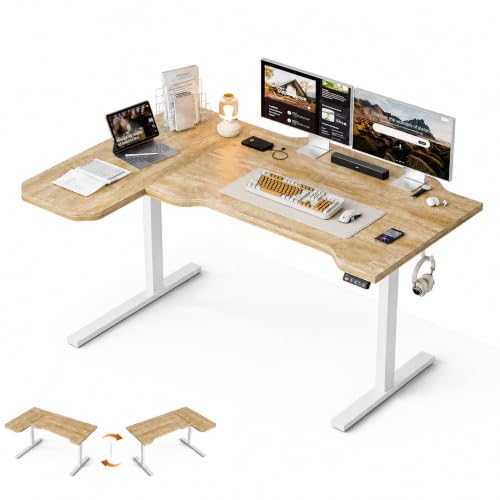
Concrete Desks: Raw, Durable, and Modern
Discover the unique appeal of concrete worksurfaces. From industrial lofts to minimalist home offices, concrete desks offer unmatched durability, thermal mass, and a distinctive aesthetic that ages beautifully.
Shop Concrete Desks →All About Desks – Concrete desks have emerged as a favorite for designers and professionals who value honesty in materials. Unlike wood or laminate, each concrete desk tells a story through its natural variations, subtle imperfections, and tactile surface. This guide covers everything you need to know: pros and cons, cost, maintenance, and how to choose the perfect concrete desk for your space.
Why Choose a Concrete Desk?
🏗️ Unmatched Durability
Concrete is exceptionally strong and resistant to scratches, heat, and stains when properly sealed. It can handle heavy monitors, equipment, and daily wear without showing age.
🌡️ Thermal Mass
Concrete naturally regulates temperature. It stays cool in summer and can retain warmth in winter, creating a comfortable microclimate around your workspace.
🎨 Aesthetic Versatility
From polished and sleek to textured and raw, concrete can be customized with pigments, aggregates, and finishes to match any interior style—industrial, minimalist, or even warm organic.
🌱 Eco-Friendly Potential
Concrete is made from abundant natural materials. When sourced locally and mixed with recycled aggregates, it can be a sustainable choice for the environmentally conscious.
The Complete Concrete Desk Buying Guide
Choosing a concrete desk is different from selecting a standard wooden or metal desk. Here’s what you need to know to make an informed decision. Whether you're outfitting a home office or a creative studio, concrete offers a distinct presence.
Types of Concrete Desks
Concrete desks come in several forms. The most common are precast solid concrete tops, which are heavy and require sturdy desk frames. Lighter options include concrete veneer over a lightweight core, or concrete-look laminates for a budget-friendly alternative. For a truly bespoke piece, consider a custom desk cast on-site.
Pro Tip: Always check the weight of a concrete desk. A standard 60"x30" concrete top can weigh over 200 lbs. Ensure your floor and desk base can support it. We recommend pairing with a heavy-duty steel frame.
Cost & Pricing
The price of a concrete desk varies widely based on size, finish, and complexity. A basic precast concrete top can start around $800, while custom, polished, or pigmented pieces can exceed $2,500. For a premium design with integrated features like embedded charging ports or cable management, expect to pay $1,500–$3,000. These prices reflect current market averages as of 2026.
Maintenance and Care
Concrete desks require sealing to prevent staining. Use a high-quality penetrating sealer and reapply every 1–2 years. Clean with a pH-neutral soap and water. Avoid acidic cleaners like vinegar or lemon juice. For minor scratches, you can sand and re-seal the affected area. For more detailed care, see our guide on how to protect your desk surface.
Concrete vs. Other Materials
| Material | Durability | Maintenance | Cost (approx.) | Aesthetic |
|---|---|---|---|---|
| Concrete | ⭐⭐⭐⭐⭐ | Sealing required | $800–$2,500 | Raw, industrial, modern |
| Oak | ⭐⭐⭐⭐ | Oiling / polishing | $600–$1,800 | Warm, classic |
| Glass | ⭐⭐⭐ | Daily cleaning | $400–$1,200 | Sleek, modern |
| Metal | ⭐⭐⭐⭐ | Low | $500–$1,500 | Industrial, utilitarian |
Design Tips for Concrete Desks
Concrete pairs beautifully with many styles. For a balanced look, combine a concrete top with warm wood accents, such as a walnut or oak shelf. Add soft textiles like a wool rug or leather chair to contrast the hard surface. For lighting, consider a desk lamp with a warm glow to soften the cool concrete.
If you're building a gaming desk, concrete provides a stable, vibration-dampening surface for high-end peripherals. For a writing desk, its smooth, flat surface is ideal for pen and paper.
Ready to upgrade your workspace? Explore our curated selection of concrete desks and find the perfect match for your style.
View Concrete Desk Products