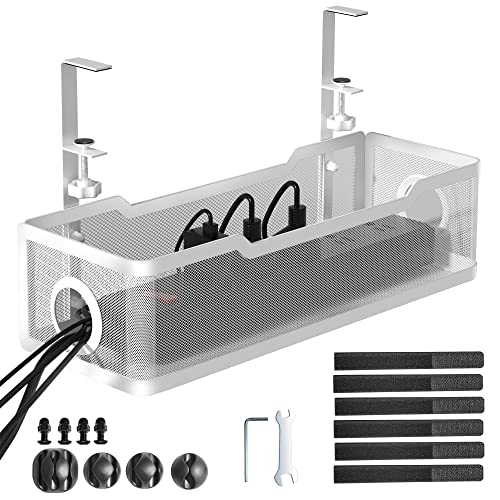
Under Desk Cable Management: Your Complete Guide
Transform your workspace by conquering cable clutter. Discover the best under desk cable management solutions, from trays and raceways to sleeves and clips. Build a clean, professional setup that boosts productivity and reduces stress.
Shop Top Cable Management ToolsWhy under desk cable management matters: A clean workspace is a productive workspace. Tangled cables not only look unprofessional but also make cleaning difficult, pose tripping hazards, and can even damage your equipment. Mastering under desk cable organization is one of the most impactful upgrades you can make to your desk setup.
The Ultimate Under Desk Cable Management Guide
Whether you're setting up a home office desk, a gaming desk, or a standing desk converter, cable management is essential. This guide covers every aspect of under desk cable management, helping you choose the right tools and implement a system that stays organized long-term.
Benefits of Under Desk Cable Management
- Cleaner, more professional appearance
- Easier desk and floor cleaning
- Reduced tripping hazards and cable damage
- Improved airflow around electronics
- Less stress and visual clutter
- Faster, easier equipment swaps
Key Components of a Cable Management System
- Cable Trays: Mount under the desk to hold power strips and excess cable
- Cable Raceways: Channels to route cables along the desk edge
- Cable Sleeves: Wrap multiple cables into a single, neat bundle
- Adhesive Clips: Secure cables along the underside of the desk
- Spiral Wrap: Flexible tubing for bundling and protecting cables
- Desk Grommets: Pass cables through the desk surface
Choosing the Right Under Desk Cable Management Tools
The best under desk cable management solution depends on your desk type, the number of devices, and your personal preference. Here's a breakdown of the most popular options:
Cable Trays
Steel or plastic trays that mount under the desk. Ideal for holding power strips, excess cable loops, and small adapters. Available in various sizes to fit different desk widths.
- Best for: Power strips & heavy cables
- Keeps cables off the floor
- Easy to install with screws or adhesive
Cable Raceways
Channels with removable covers that stick to the underside or back edge of the desk. Perfect for routing cables from one side to the other in a clean, organized way.
- Best for: Routing cables along desk edges
- Discreet and easy to access
- Available in various lengths
Cable Sleeves & Spiral Wrap
Flexible tubes or wraps that bundle multiple cables together. Available in different diameters to accommodate 3–20+ cables. Keeps everything neat and tangle-free.
- Best for: Bundling monitor, keyboard, and mouse cables
- Easy to add or remove cables
- Available in various colors and materials
Under Desk Cable Management: Quick Comparison
| Solution | Best For | Installation | Typical Price Range |
|---|---|---|---|
| Cable Tray | Power strips, adapters, excess cable | Screw or adhesive mount | $20–$70 |
| Raceway / Cord Cover | Routing along desk edges or walls | Adhesive backing | $10–$35 |
| Cable Sleeve | Bundling 3–20+ cables | Slip over cables | $8–$30 |
| Spiral Wrap | Flexible bundling, easy cable access | Wrap around cables | $10–$25 |
| Adhesive Cable Clips | Securing cables to desk underside | Stick-on backing | $5–$15 |
How to Set Up Under Desk Cable Management: Step-by-Step
Follow these steps to achieve a professional cable management system under your desk:
-
Unplug and Sort Your Cables
Start by unplugging all devices. Group cables by type and length. Identify which cables you actually need and remove any unused ones. This is also a great time to declutter your digital workspace.
-
Plan Your Cable Routes
Decide where each cable will run. Consider the location of your power outlets, the desk's position, and where your devices sit. Plan routes that keep cables hidden and avoid crossing over each other unnecessarily.
-
Install Your Cable Management Hardware
Mount cable trays or raceways according to the manufacturer's instructions. For adhesive mounts, ensure the desk surface is clean and dry. If using screw mounts, pre-drill if necessary.
-
Bundle and Route Cables
Use cable sleeves or spiral wrap to bundle cables that run the same route. Leave slack at each end to allow for device movement or future adjustments. Route bundles through trays or raceways.
-
Secure and Test
Use adhesive clips to secure cables to the desk underside, keeping them neat and preventing sagging. Plug everything back in and test all devices. Adjust cable lengths or routing as needed.
Cable Management for Different Desk Types
Standing Desks
For electric standing desks and manual standing desks, use cable sleeves with enough slack to accommodate height changes. Attach cables to the desk frame with adhesive clips or magnetic mounts to prevent strain.
L-Shaped & Corner Desks
L-shaped desks and corner desks often have more cable length to manage. Use multiple cable trays or raceways to route cables along each desk segment. Consider using a desk grommet to pass cables through the surface.
Glass or Minimalist Desks
For glass desks where underside mounting is limited, use vertical cable management solutions like raceways on desk legs or cable boxes on the floor. Keep visible cables minimal for a clean aesthetic.
Gaming Desks
Gaming desks often have multiple monitors, peripherals, and RGB lighting. Use a combination of cable trays for power and sleeves for peripheral cables. Consider a monitor stand with storage to hide extra cabling.
Common Cable Management Mistakes to Avoid
Not Planning Ahead
Rushing into installation without a clear plan often leads to tangled cables and a messy setup. Take time to map out cable routes and device placement before installing any hardware.
Using the Wrong Tools
Using undersized cable trays or sleeves can create more clutter. Choose tools that fit your specific cable volume and desk type. For heavy power strips, invest in a sturdy metal tray.
Ignoring Cable Length
Leaving too much slack creates tangles, while too little slack strains connections. Measure cable lengths before routing and use cable ties or clips to manage extra length neatly.
Forgetting About Future Changes
Your desk setup will evolve. Avoid zip ties that need cutting; use reusable hook-and-loop ties or split sleeves that allow you to add or remove cables easily.
Frequently Asked Questions About Under Desk Cable Management
What is the best under desk cable management solution for beginners?
For beginners, a combination of a cable tray for power strips and adhesive clips for routing cables is a great starting point. It's affordable, easy to install, and makes a significant difference.
Can I use cable management under a glass desk?
Yes. For glass desks, use self-adhesive cable channels or raceways that attach to the desk legs or underside of the glass. Cable boxes on the floor are also effective for power strip management.
How do I manage cables for a standing desk?
Use cable sleeves with enough slack for the full height range of your desk. Attach cables to the desk frame with adhesive clips or magnetic mounts, allowing them to move freely as the desk rises and lowers.
Are cable trays worth it?
Absolutely. Cable trays keep power strips and bulky cables off the floor, improving aesthetics, making cleaning easier, and preventing cable tangles. They are one of the most effective under desk cable management tools.
Ready to Transform Your Desk?
Shop the best under desk cable management tools and create the clean, productive workspace you deserve.
Browse Cable Management Products