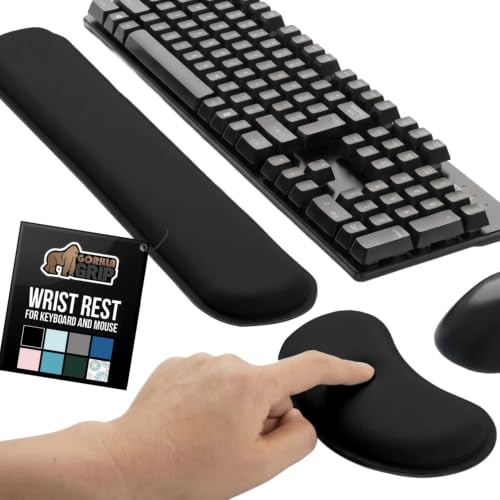
Wrist Rests: The Ultimate Guide to Ergonomic Comfort
Discover the best wrist rests for your desk. Reduce strain, boost comfort, and enhance your productivity with the right ergonomic support for your keyboard and mouse.
Why Your Desk Needs a Wrist Rest: Whether you're typing for hours or navigating with a mouse, your wrists bear the brunt of repetitive motion. A quality wrist rest provides essential support, reduces pressure on your carpal tunnel, and helps you maintain a neutral wrist position—key to preventing discomfort and long-term injury. This guide covers everything you need to choose the perfect wrist rest for your workspace.
Types of Wrist Rests
Wrist rests come in various materials and designs, each offering different levels of support and comfort. Understanding these differences helps you choose the best match for your desk setup.
Memory Foam Wrist Rests
Memory foam contours to your wrists, providing personalized support. It's soft yet firm, making it ideal for long typing sessions. Look for options with a cooling gel layer to prevent heat buildup.
- Excellent pressure relief
- Adapts to wrist shape
- Available in various sizes
Gel Wrist Rests
Gel-filled wrist rests offer a firm, stable surface that supports your wrists without sinking. They're durable and easy to clean, with many featuring a non-slip base to stay in place on your desk.
- Firm, stable support
- Easy to clean
- Non-slip base
Wood & Bamboo Wrist Rests
For a natural look, wood and bamboo wrist rests provide a firm, supportive surface. They're often ergonomically carved to fit your wrist and add a touch of warmth to your desk decor. Ideal for minimalists.
- Natural aesthetic
- Durable and long-lasting
- Ergonomic design
Keyboard & Mouse Combo Sets
Complete your desk setup with a matching set of keyboard and mouse wrist rests. These sets often feature the same material and design, ensuring a cohesive look while protecting both your wrists.
- Complete set for both hands
- Consistent feel
- Often more affordable
How to Choose the Right Wrist Rest
Selecting the ideal wrist rest depends on your desk setup, typing habits, and personal comfort preferences. Consider these key factors before making your purchase.
Key Considerations:
- Height: The wrist rest should be level with the front edge of your keyboard or mouse pad to keep your wrists straight.
- Material: Memory foam for softness, gel for firmness, wood for a natural feel. Each affects comfort and durability.
- Size: Measure your keyboard's width and your mouse pad area to ensure the wrist rest fits perfectly on your desk mat or desk surface.
- Base: Look for a non-slip base to prevent the wrist rest from sliding around during use.
- Compatibility: Ensure the wrist rest is designed for your specific keyboard type (full-size, tenkeyless, or compact) and mouse.
Top Benefits of Using a Wrist Rest
Integrating a wrist rest into your desk setup can dramatically improve your comfort and health. Here’s what you gain:
- Reduced Strain: Keeps your wrists in a neutral position, reducing stress on the carpal tunnel.
- Improved Posture: Encourages proper arm and shoulder alignment, which complements desk accessories like keyboard trays for an ergonomic desk setup.
- Enhanced Comfort: Soft, supportive surfaces make typing and mousing more comfortable over long periods.
- Prevents Fatigue: Reduces muscle fatigue in your hands and wrists, boosting productivity.
- Aesthetic Appeal: Many wrist rests are available in stylish materials like bamboo, wood, or sleek gel designs that match your desk decor.
Caring for Your Wrist Rest
Keep your wrist rest in top condition to ensure it provides lasting comfort and support. Proper care also extends its lifespan, protecting your investment in your desk comfort.
Cleaning Tips:
- Memory Foam: Spot clean with a mild soap and water solution. Allow to air dry completely before use.
- Gel Wrist Rests: Wipe with a damp cloth. Most gel rests have a waterproof surface that's easy to sanitize.
- Wood/Bamboo: Wipe with a soft, dry cloth. Avoid excess moisture and apply a light wood polish occasionally.
- General: Always check the manufacturer's instructions. Regular cleaning prevents the buildup of oils and dirt that can degrade the material.
For more desk care tips, explore our guide on how to protect your desk surface.
Wrist Rest vs. Alternatives
While wrist rests are a popular solution, you might also consider other ergonomic desk tools. Here’s how they compare to alternatives like anti-fatigue mats or footrests, which focus on different parts of your body.
Alternative Solutions:
- Ergonomic Keyboards: Designed with a natural wrist angle, reducing the need for a wrist rest.
- Desk Mats with Built-in Wrist Support: Some desk mats feature a padded area for your wrists.
- Keyboard Drawers: Adjustable height can position your keyboard at the optimal angle without a wrist rest.
However, a dedicated wrist rest offers targeted, customizable support that many users prefer for its simplicity and comfort.
Quick Comparison: Best Wrist Rests
| Type | Material | Best For | Price Range |
|---|---|---|---|
| Memory Foam | Memory Foam + Gel Layer | Long typing sessions, soft support | $20–$40 |
| Gel | Gel-filled | Firm support, easy to clean | $25–$50 |
| Wood / Bamboo | Natural Wood | Aesthetic, firm support | $30–$60 |
| Combo Set | Mixed (Foam/Gel/Wood) | Complete desk ergonomics | $35–$70 |