Arm Monitor Desk Mount: The Complete Buying Guide
Upgrade your workspace with the perfect monitor arm. Discover the best desk mounts for ergonomic comfort, space-saving design, and flexible screen positioning.
Shop Top Monitor Mounts →Why You Need a Monitor Desk Mount: A quality monitor arm transforms your workspace by freeing up valuable desk surface, improving ergonomics, and allowing you to position your screen at the perfect height and angle. Whether you're a gamer, programmer, designer, or remote worker, the right arm monitor desk mount can dramatically improve your comfort and productivity.
What Is an Arm Monitor Desk Mount?
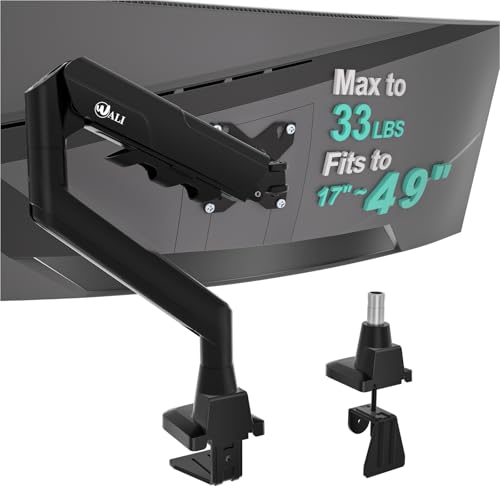
An arm monitor desk mount is a mechanical arm that attaches to the edge or through a grommet hole of your desk, holding your monitor above the surface. Unlike traditional monitor stands that take up significant desk space and offer limited adjustment, monitor arms provide full articulation – allowing you to tilt, swivel, rotate, and extend your screen exactly where you need it.
These desk accessories are essential for creating an ergonomic desk setup that promotes good posture and reduces neck strain. By freeing up the space underneath your monitor, you can organize your desk organization more effectively and keep your workspace clean and clutter-free.
Top Benefits of Using a Monitor Arm
Ergonomic Positioning
Adjust height, tilt, and angle to maintain proper posture and reduce neck and eye strain during long work sessions.
Maximize Desk Space
Free up valuable desk surface by elevating your monitor off the desk, creating room for other essential items.
Full Motion Flexibility
Easily switch between portrait and landscape mode, adjust viewing angles, and share screens with colleagues.
Cleaner Workspace
Eliminate bulky monitor stands and create a more organized, professional-looking desk setup.
Cable Management
Most quality monitor arms feature built-in cable routing to keep wires tidy and out of sight.
Enhanced Gaming Experience
Position your gaming monitor at the perfect angle for immersive gameplay and quick reaction times.
Types of Monitor Desk Mounts
When shopping for an arm monitor desk mount, you'll encounter several different types, each with unique features and benefits. Understanding these options will help you make the right choice for your specific needs.
Gas Spring Monitor Arms
Gas spring monitor arms use nitrogen gas springs to provide smooth, effortless height adjustment. These are the most popular type of monitor mount because they offer excellent weight capacity and allow you to position your monitor with just a light touch. Gas spring arms are ideal for heavy monitors (up to 30+ lbs) and provide the smoothest adjustment experience.
Pneumatic Monitor Arms
Similar to gas spring arms, pneumatic monitor mounts use air pressure to counterbalance the weight of your monitor. These are often more affordable than gas spring options while still offering reliable performance. Pneumatic arms work well for lighter monitors (under 20 lbs) and are a great budget-friendly choice for basic ergonomic needs.
Full-Motion (Articulating) Arms
Full-motion monitor arms offer the widest range of adjustment, including 360-degree rotation, extension, and tilt. These versatile mounts are perfect for dual monitor setups or when you need to share your screen with others. They're available in both gas spring and mechanical versions, with gas spring models providing the smoothest operation.
Fixed Monitor Mounts
Fixed monitor mounts are stationary arms that hold your monitor at a fixed position. While they offer less flexibility than articulating arms, they're more affordable and still elevate your monitor off the desk surface. These are a good option if you only need basic height adjustment and minimal angle changes.
Mounting Options: C-Clamp vs. Grommet
Monitor desk mounts typically attach to your desk using one of two methods:
C-Clamp Mount
The C-clamp attaches to the edge of your desk, making it the most popular and versatile mounting option. It's easy to install, requires no drilling, and works on most desk types. However, it does require at least 1-2 inches of overhang space at the edge of your desk.
Grommet Mount
Grommet mounts attach through a pre-drilled hole in your desk surface. This option provides a cleaner, more secure installation and is ideal if you don't have edge space for a C-clamp. Grommet mounts are often preferred for standing desks and executive workstations where stability is paramount.
Monitor Mount Comparison
| Feature | Gas Spring | Pneumatic | Full-Motion | Fixed |
|---|---|---|---|---|
| Weight Capacity | Up to 35 lbs | Up to 20 lbs | Up to 30 lbs | Up to 25 lbs |
| Height Adjustment | ✓ Smooth | ✓ Smooth | ✓ Wide Range | Limited |
| 360° Rotation | ✓ | ✓ | ✓ | ✗ |
| Price Range | $80–$250 | $40–$100 | $60–$200 | $25–$60 |
| Best For | Heavy monitors, daily adjustment | Budget-conscious, light monitors | Gaming, multi-monitor setups | Fixed position, basic needs |
How to Choose the Right Monitor Mount
Selecting the perfect arm monitor desk mount requires careful consideration of several factors. Here's what you need to know to make an informed decision:
1. Monitor Weight and Size
Check your monitor's specifications for its weight without the stand. Choose a mount with a weight capacity that exceeds your monitor's weight by at least 20% for optimal performance. Most mounts support screen sizes from 17 to 35 inches, but always verify compatibility before purchasing.
2. Desk Compatibility
Measure your desk thickness to ensure compatibility with the mount's clamp or grommet design. Most C-clamps work with desk thicknesses between 0.5 and 3 inches. If you have a glass desk, look for specialized mounts with soft padding to prevent damage.
3. VESA Compatibility
Ensure your monitor has standard VESA mounting holes (75x75mm or 100x100mm). Most modern monitors support VESA, but some ultra-thin models may require an adapter. Check your monitor's manual or product specifications to confirm VESA compatibility.
4. Articulation Range
Consider how much adjustment you need. If you frequently work with others who need to view your screen, a full-motion arm with extended reach is essential. For individual use with minimal adjustment, a fixed or basic articulating arm may suffice.
5. Build Quality and Warranty
Invest in a mount with solid construction using aluminum or steel. Look for models with powder-coated finishes to resist scratches and corrosion. A longer warranty period (3-5 years) is a good indicator of quality and manufacturer confidence.
Installation Tips for Your Monitor Mount
Installing your arm monitor desk mount is a straightforward process, but following these tips will ensure a safe and secure installation:
- Read the manual: Always start by carefully reading the installation instructions that come with your mount.
- Use the right tools: Most mounts come with the necessary tools, but having an Allen key set and screwdriver can be helpful.
- Install the mount first: Attach the mount to your desk before connecting the monitor for easier installation and safety.
- Tighten all screws: Ensure all connections are secure, but avoid over-tightening to prevent damage.
- Adjust tension: For gas spring arms, adjust the spring tension to match your monitor's weight for smooth operation.
- Route cables: Use the built-in cable management channels to keep wires organized and out of sight.
Common Questions About Monitor Desk Mounts
Can I install a monitor mount on a glass desk?
Yes, but you'll need a mount specifically designed for glass or tempered glass desks. These mounts use soft rubber or felt pads to prevent scratching and distribute weight evenly. Always check the weight rating of your glass desk before installing.
Will a monitor mount work with a standing desk?
Absolutely. In fact, monitor mounts are highly recommended for standing desks because they allow easy height adjustment to maintain proper ergonomics whether you're sitting or standing. Just ensure the mount's clamp is compatible with your standing desk's thickness.
How many monitors can I mount with one arm?
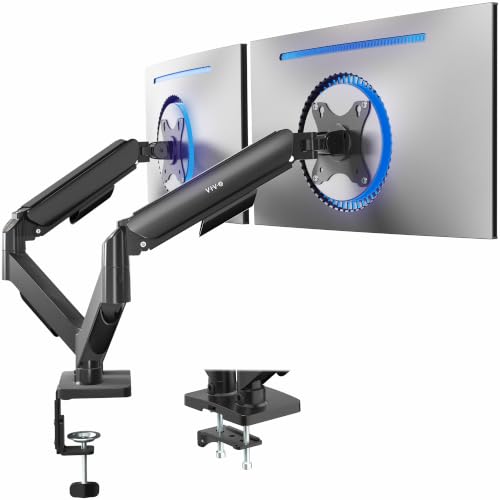
Single-arm mounts hold one monitor. For multi-monitor setups, you'll need a dual monitor arm or multiple single arms. Some mounts support side-by-side or stacked configurations for dual monitor setups.
What's the difference between a monitor arm and a monitor stand?
A monitor stand sits on your desk surface and supports your monitor from below. A monitor arm attaches to the desk edge or grommet and holds your monitor from an elevated position, offering greater flexibility, more adjustment range, and freeing up desk space.
Choosing the Best Monitor Mount for Your Setup
After considering all the factors above, here's a quick summary to help you decide:
- For heavy monitors (30+ lbs): Choose a gas spring mount with high weight capacity
- For budget-conscious buyers: A pneumatic mount offers good value for monitors under 20 lbs
- For gamers and multitaskers: A full-motion articulating arm provides maximum flexibility
- For simple setups: A fixed or basic mount works well if you don't need frequent adjustments
- For dual monitor setups: Look for a dual-arm gas spring mount for balanced, independent adjustment
Ready to transform your workspace with the perfect arm monitor desk mount? Browse our curated selection of top-rated monitor arms below to find the ideal match for your monitor and desk setup.