Balance Board for Standing Desk: The Ultimate Guide
Transform your standing desk experience with a balance board. Improve posture, reduce back pain, and stay active while you work. Discover everything you need to know to choose the perfect balance board for your workspace.
Shop Top Balance Boards →A balance board for a standing desk is one of the most effective ergonomic accessories you can add to your workspace. Unlike standing on a flat, rigid surface, a balance board introduces gentle, natural movement that engages your core muscles, improves posture, and reduces the strain that often accompanies long hours of standing.
If you've recently invested in a standing desk, or are considering making the switch to a more active workstyle, a balance board is a game-changing addition. It promotes active sitting and active standing, helping you stay energized and focused throughout the day.
What Is a Balance Board for a Standing Desk?
A balance board — also known as a wobble board, rocker board, or standing desk balance board — is a flat platform with a curved bottom that sits on the floor beneath your feet while you work at your standing desk. The curved base allows the board to tilt and rock gently, engaging the muscles in your feet, ankles, legs, and core as you make micro-adjustments to maintain your balance.
Unlike traditional anti-fatigue mats, which provide cushioning but remain stationary, a balance board actively encourages movement. This dynamic surface promotes better circulation, reduces joint stiffness, and keeps your body engaged — combating the fatigue and discomfort that can set in during prolonged periods of standing.
Key Benefits of Using a Balance Board with Your Standing Desk
1. Improved Posture and Spinal Alignment
When you stand on a balance board, your body naturally engages the deep core stabilizers and postural muscles that support your spine. This constant, gentle engagement helps you maintain a more upright, aligned posture, reducing the slouching or leaning that often occurs when standing on a flat surface. Over time, using a balance board can reinforce healthy posture habits that extend beyond your workday.
2. Reduced Lower Back Pain
Lower back pain is one of the most common complaints among standing desk users. A balance board helps distribute your weight more evenly across the soles of your feet and encourages subtle weight shifts that relieve pressure points. This active engagement can significantly reduce lumbar strain and back discomfort associated with static standing.
3. Increased Calorie Burn and Energy Expenditure
Standing alone burns more calories than sitting, but adding a balance board takes it a step further. The constant micro-movements required to maintain balance increase your metabolic rate and calorie expenditure. While the difference may be modest per minute, the cumulative effect over an 8-hour workday is meaningful — and every bit helps when you're trying to stay healthy and active.
4. Enhanced Circulation and Reduced Leg Fatigue
Prolonged standing without movement can lead to blood pooling in the lower extremities, causing swelling, fatigue, and discomfort. The gentle rocking and weight-shifting motion of a balance board promotes better venous return and blood circulation, reducing leg fatigue and keeping your feet and ankles more comfortable throughout the day.
5. Core Engagement and Improved Balance
Using a balance board is essentially a low-intensity core workout. The muscles of your abdomen, obliques, and lower back work together to keep you stable, helping to build core strength and improve your overall balance over time. This is especially beneficial if you spend most of your day at a desk and want to incorporate subtle physical activity into your routine.
Types of Balance Boards for Standing Desks
Not all balance boards are created equal. Understanding the differences between the main types will help you choose the one that best suits your comfort level, experience, and specific needs.
Wobble Boards
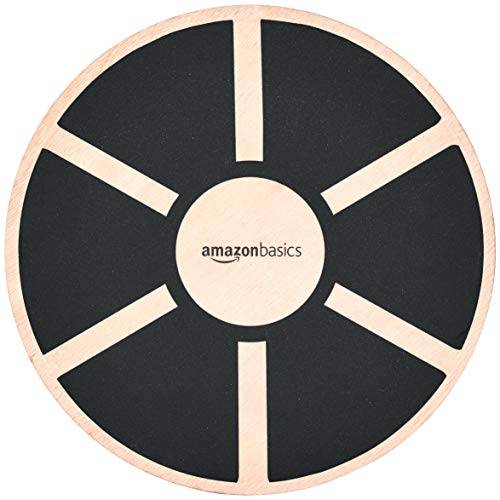
A wobble board features a single central pivot point (often a dome or half-sphere) on the underside, allowing the platform to tilt in all directions — front to back, side to side, and in circular motions. This provides a more challenging and dynamic balancing experience. Wobble boards are ideal for users who already have a good sense of balance and want a more engaging, full-range workout.
Rocker Boards
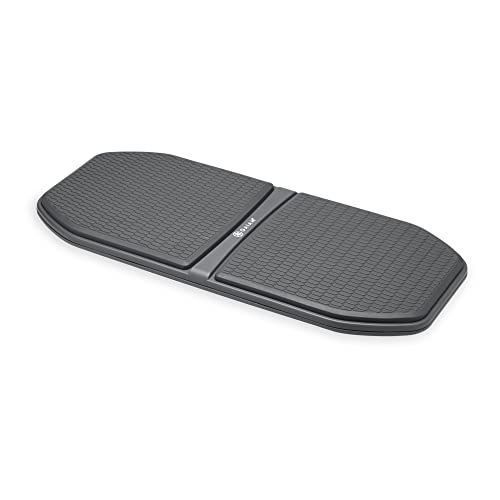
A rocker board has a curved base that restricts movement to two directions — typically forward and backward (or side to side). This makes the motion more predictable and the board more stable, making rocker boards a popular choice for beginners and for extended desk use. They offer many of the same benefits as wobble boards but with a gentler learning curve.
Hybrid / Multi-Axis Boards
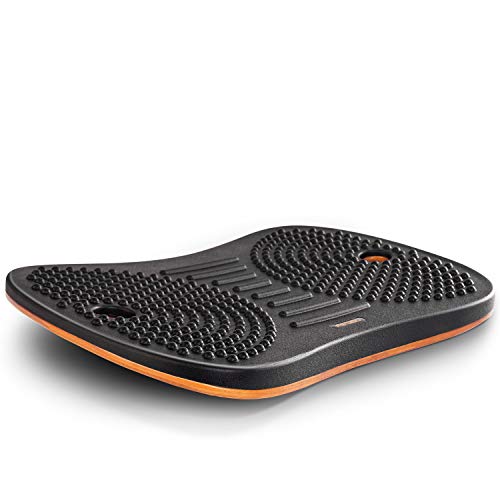
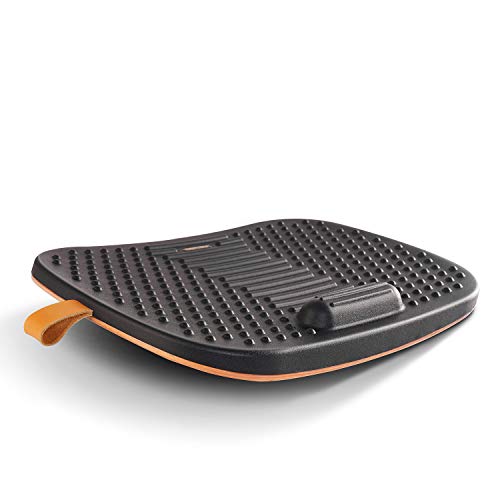
Some balance boards combine features from both wobble and rocker designs, offering multiple axes of motion with adjustable resistance. These are premium options that allow you to customize the level of challenge and movement. Some even feature a textured surface for better grip and integrated foot massaging elements.
How to Choose the Best Balance Board for Your Standing Desk
Selecting the right balance board depends on several factors. Here are the most important considerations to guide your decision.
Weight Capacity
Balance boards have specific weight limits, typically ranging from 250 lbs (113 kg) to over 400 lbs (181 kg). Always check the manufacturer's specifications to ensure the board can safely support your weight. A higher weight capacity often indicates a more durable and stable construction.
Surface Dimensions and Foot Space
The size of the platform matters, especially if you have larger feet or prefer to stand with a wider stance. Look for a board with a platform that comfortably accommodates both feet side by side. Most balance boards range from 15 to 18 inches in width and 12 to 15 inches in depth.
Height and Tilt Angle
The height of the board (how high the platform sits off the ground) and the maximum tilt angle affect the level of challenge and comfort. Lower-profile boards (about 2–3 inches high) are more stable and easier to adapt to, while taller boards (4–5 inches) offer a more intense workout. If you're new to balance boards, start with a lower profile and a moderate tilt angle.
Material and Durability
Balance boards are typically made from hardwood, bamboo, or high-density plastic. Wooden boards offer a premium aesthetic and excellent durability, while plastic boards are often lighter and more affordable. Whichever you choose, ensure the board is well-constructed with anti-slip padding and a durable underside that won't scratch your flooring.
Portability and Storage
If you need to move your balance board between workstations or store it away at the end of the day, consider its weight and size. Lighter boards are easier to transport, and some models are designed to be placed under your desk when not in use.
Safety Tips and Best Practices
- Start Slowly: If you're new to balance boards, begin with short sessions of 10–15 minutes and gradually increase duration as your balance and comfort improve.
- Wear Supportive Shoes: While some users prefer barefoot standing for better grip, wearing shoes with good support and cushioning can help reduce foot fatigue. Many balance boards feature a textured anti-slip surface for added safety.
- Use on a Level Surface: Place your balance board on a flat, stable floor surface. Avoid using it on rugs, carpets, or uneven flooring where it may not sit securely.
- Maintain Proper Desk Height: When using a balance board with your adjustable standing desk, you may need to adjust the desk height slightly to compensate for the board's thickness and maintain proper ergonomic alignment. Your elbows should remain at a comfortable 90-degree angle while typing.
- Take Breaks: Even with a balance board, it's important to vary your posture. Alternate between standing on the board, standing on a flat surface, and sitting throughout the day. Follow the 20-8-2 rule: stand for 20 minutes, sit for 8 minutes, and walk for 2 minutes.
- Listen to Your Body: If you experience sharp pain, dizziness, or excessive discomfort, stop using the board and consult a healthcare professional. Balance boards are meant to help, not hurt.
Frequently Asked Questions About Balance Boards for Standing Desks
Can I use a balance board with any standing desk?
Yes, balance boards are universal and can be used with any standing desk. Just make sure to place the board on a flat, stable surface and adjust your desk height as needed to maintain proper posture.
How long should I stand on a balance board each day?
Beginners should start with 10–15 minute sessions, 2–3 times per day. As your balance and endurance improve, you can increase to 30–45 minutes per session. Many users find that alternating between the balance board and a flat surface throughout the day provides the best results.
Is a balance board better than an anti-fatigue mat?
Both have their merits. Anti-fatigue mats provide cushioning and support but don't actively engage your muscles. Balance boards encourage movement and core engagement but require more effort to use. Many users incorporate both into their workspace for variety, using the mat when they need passive support and the board when they want active engagement.
What's the best balance board for someone with bad knees or ankles?
If you have joint issues, a rocker board with a moderate tilt angle is usually the safest choice. It provides gentle movement without the 360-degree instability of a wobble board. Look for a board with a wide base for added stability. Always consult with a healthcare professional before starting any new ergonomic routine.