Children's Study Desk Guide: Build a Productive Workspace
All about desks for your child! Expert advice on choosing the perfect study desk, ergonomic setup, organization, and accessories to create a focused and inspiring learning environment.
START YOUR CHILD'S DESK JOURNEYWhy a dedicated children's study desk matters: A well-chosen study desk does more than hold books and a computer. It establishes a routine, improves focus, and supports healthy posture from an early age. This guide covers everything from desk types and materials to ergonomics and organization, helping you create a workspace where your child can thrive academically and creatively.
1. Choosing the Right Children's Study Desk
Selecting a study desk for your child involves more than picking a cute design. The desk should grow with them, support their activities, and fit comfortably in the available space. Consider these key factors:
Size & Ergonomics
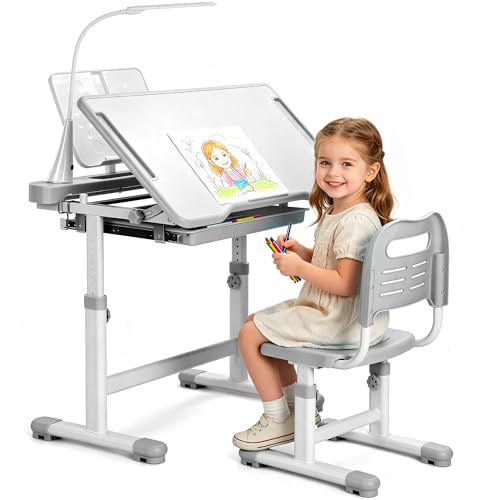
Proper ergonomics are crucial for preventing back and neck strain. The desk height should allow your child's elbows to rest at a 90-degree angle while typing or writing. Many childrens adjustable desks offer height-adjustable legs, accommodating growth spurts and different activities like drawing or using a laptop.
- Seat height: feet flat on floor
- Desk height: elbows at 90°
- Monitor at eye level
Desk Materials & Durability
Children's desks need to withstand daily use, spills, and creative projects. Childrens wooden desks are classic and durable, while laminate desks are easy to clean and scratch-resistant. For a more eco-friendly option, consider bamboo desks. Ensure the finish is non-toxic and safe for children.
- Wood: beautiful and long-lasting
- Laminate: budget-friendly & stain-proof
- Bamboo: sustainable & strong
2. Organization & Storage Solutions
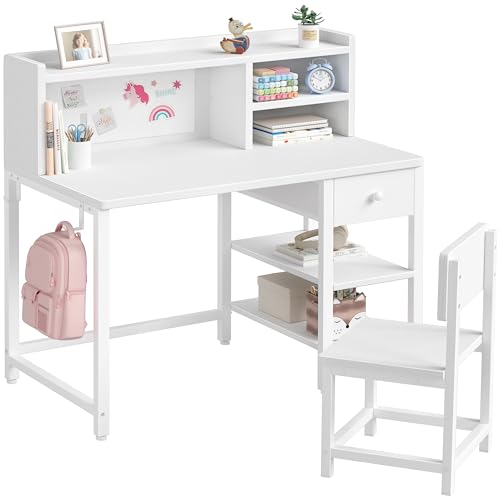
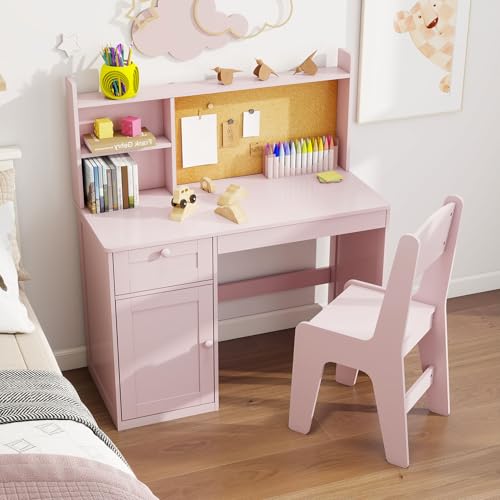
A clutter-free desk promotes concentration and reduces distraction. Integrated storage helps keep supplies organized and within reach. Look for desks with drawers, shelves, or hutches. Childrens desk with storage options are ideal for housing books, stationery, and art supplies.
Consider adding desk organizers for pencils, markers, and small items. A desk hutch can provide additional vertical storage without taking up floor space. For a more flexible approach, floating shelves above the desk can hold reference books and decorative items.
Smart Storage Ideas
- Drawer dividers for small items
- Pegboards for hanging supplies
- Rolling carts for extra mobility
- Wall-mounted file holders
For small spaces, a corner desks for small spaces can maximize the available area while providing ample work surface.
Lighting & Comfort
Good lighting reduces eye strain and creates a welcoming atmosphere. A childrens desk light with adjustable brightness and color temperature is ideal. Pair it with a cute desk chair that offers proper lumbar support and is height-adjustable.
- LED desk lamps with flexible necks
- Task lighting for focused work
- Anti-fatigue mats for standing desks
3. Creating a Productive Desk Setup
The layout of the desk can significantly impact your child's productivity. A well-organized setup minimizes distractions and makes it easy to transition between homework, creative projects, and online learning. Here are some practical tips:
- Dual-zone setup: Divide the desk into a "digital zone" for computer work and an "analog zone" for writing and drawing.
- Monitor placement: Position the screen at eye level to prevent neck strain. Use a monitor arm or riser.
- Cable management: Keep cords organized with cable trays or cable sleeves to prevent tangles and accidents.
- Personal touches: Allow your child to decorate with desk plants or a mood board to make the space feel their own.
For a complete guide on setting up a productive workspace, check out our first desk setup guide. If your child shares a room, a childrens bunk bed with desk can be a space-saving solution.
4. Ergonomics & Health Checklist
Posture & Movement
- Feet flat on the floor (or on a footrest)
- Back straight against the chair back
- Wrists straight when typing
- Take breaks every 30 minutes
Consider a sit-stand routine to reduce sedentary time. A standing desk converter can transform a standard desk into a standing station.
Eye Health & Focus
- 20-20-20 rule: look 20 feet away for 20 seconds every 20 minutes
- Use blue light filters on screens
- Ensure adequate ambient lighting
- Keep the desk clean and organized
A desk organizer can help maintain a clean surface, reducing visual clutter and improving focus.
Related Guides: Childrens bedroom desk • Childrens art desk • Childs computer desk • Kids desks