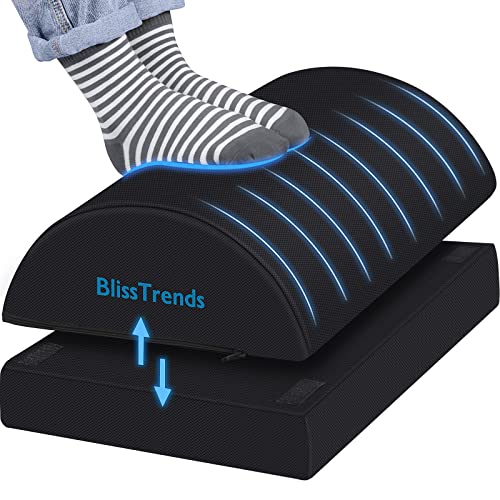
Desk Chair Foot Rest: The Ultimate Ergonomic Comfort Guide
Discover how the right foot rest can transform your sitting experience. Reduce lower back pain, improve circulation, and boost productivity with our expert guide.
SHOP TOP FOOT RESTSDo you sit at a desk for hours? A desk chair foot rest is more than just an accessory—it's an essential ergonomic tool. By supporting your feet and promoting proper posture, a quality footrest can significantly reduce fatigue and discomfort during long work sessions. This guide covers everything you need to know to choose the perfect one for your workspace.
Why You Need a Desk Chair Foot Rest
Many people don't realize that their feet play a crucial role in maintaining proper posture. When your feet dangle unsupported, it can cause your thighs to press against the edge of your seat, restricting blood flow and leading to numbness or tingling. A desk chair foot rest solves this by providing a stable surface for your feet, allowing your legs to rest at a comfortable 90-degree angle.
Beyond circulation, a footrest can help reduce pressure on your lower back. When your feet are flat and supported, your spine naturally aligns, reducing the strain on your lumbar region. This is why many experts recommend a foot rest for anyone who spends significant time at a desk.
Did you know? Studies show that using a footrest can improve comfort and productivity by up to 20%. It's one of the simplest and most cost-effective ergonomic upgrades you can make to your workspace.
Types of Desk Foot Rests
Not all foot rests are created equal. The right one for you depends on your specific needs, workspace, and personal comfort preferences. Here's a breakdown of the most common types:
- Adjustable Foot Rests: These allow you to change the angle and height to find the perfect position. They're ideal for shared workspaces or if you frequently switch between sitting and standing.
- Rocking Foot Rests: Featuring a curved base, these encourage subtle movement that keeps your legs active and improves circulation.
- Under-Desk Foot Hammocks: A lightweight, suspended option that's great for minimalist setups. They provide a comfortable resting place without taking up floor space.
- Wedge Foot Rests: These have a fixed, angled design that promotes a slight incline, helping to ease tension in your calves and hamstrings.
How to Choose the Right Foot Rest
When selecting a desk chair with leg rest accessory, consider these key factors:
- Height Adjustability: Ensure the footrest can be set to a height that allows your knees to be at a 90-degree angle. Your feet should rest flat without your knees rising above your hips.
- Stability: Look for a model with a non-slip base to prevent sliding. This is especially important if you have a desk chair floor mat for carpet, which can be slick.
- Material: Choose a durable material that's easy to clean. Many footrests feature a textured surface to provide grip and prevent your feet from slipping.
- Size: Make sure the footrest fits comfortably under your desk without obstructing your desk chairs for home office movement.
If you often work with a desk and chair set, it's especially important to match the footrest to your existing setup. Inconsistent ergonomics can defeat the purpose of the footrest. For those who like to switch positions, a footrest that works well with a desk that moves up and down is a great investment.
Ergonomic Benefits of Using a Foot Rest
Using a desk chair foot rest offers a range of health and comfort benefits:
- Reduces Lower Back Pain: Proper foot support encourages a neutral spine, relieving pressure on your lower back. This is essential if you're looking for a desk chair for back pain.
- Improves Circulation: By keeping your feet elevated, a footrest promotes better blood flow, reducing the risk of swelling and varicose veins.
- Enhances Comfort: A good footrest makes long work sessions more bearable, reducing the urge to fidget or shift positions constantly.
- Boosts Productivity: When you're comfortable, you can focus better. This is why many ergonomic experts recommend footrests as a key element of a productive desk set up.
If you're already experiencing discomfort, it might be time to consider a desk chair with adjustable lumbar support in addition to a foot rest. Combining these two ergonomic essentials can dramatically improve your sitting experience. Alternatively, if you're sharing a workspace with others, an adjustable footrest can accommodate multiple users with different needs, making it a versatile addition to your desk furniture collection.
Pro Tip: Pair your foot rest with a proper ergonomic chair and monitor riser for a complete ergonomic solution. For more guidance, check out our desk height ergonomics guide.
For those with limited space, a footrest is still a viable addition. Compact models are available that fit neatly under smaller desks, such as those found in dorms or compact home offices. If you're setting up a desk for dorms, look for a lightweight, portable footrest that's easy to store away when not in use.
Remember, the goal of any ergonomic accessory is to make your workspace work for you. A footrest is a small investment with a significant return in terms of comfort and health. It complements other ergonomic upgrades like a desk floor mat, which can also help reduce fatigue when you're on your feet. For those who alternate between sitting and standing, consider a footrest that's adjustable enough to work in both positions, especially if you pair it with a desk riser for standing.
Finally, if you're looking for an all-in-one solution, some desk chair with footrest models come with integrated footrests. However, a separate, adjustable footrest often offers more flexibility and can be used with any chair, making it a more versatile choice for most users.