Ergonomic Desk Chair Guide
Your desk is only as good as the chair you sit in. Discover the science of comfort, support, and posture – and find the ergonomic chair that transforms your workday.
Shop Top Ergonomic ChairsWhy Your Chair Matters – You spend thousands of hours at your desk. An ergonomic desk chair isn't just a luxury; it's a tool for health, focus, and long-term well-being. Whether you're working from home, gaming, or managing a busy office, the right chair reduces back pain, improves circulation, and boosts productivity. All About Desks breaks down everything you need to know – from lumbar support to seat depth – so you can sit smarter.
What Makes a Chair Ergonomic?
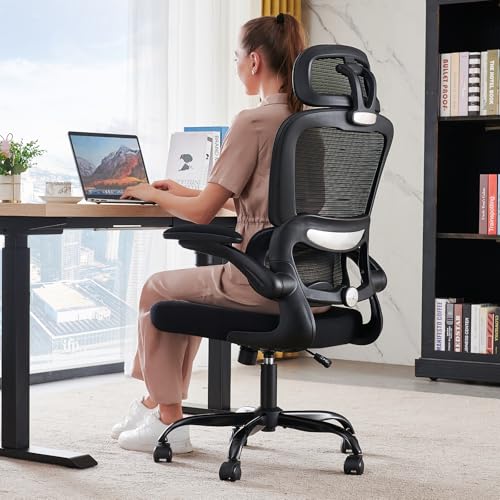
Adjustable Lumbar Support
Proper lower back support maintains the natural curve of your spine. Look for height and depth adjustability to match your unique posture and reduce fatigue.
Seat Height & Depth
Your feet should rest flat on the floor, knees at a 90° angle. Adjustable seat depth (waterfall edge) prevents pressure on your thighs and improves circulation.
Armrests & Tilt Tension
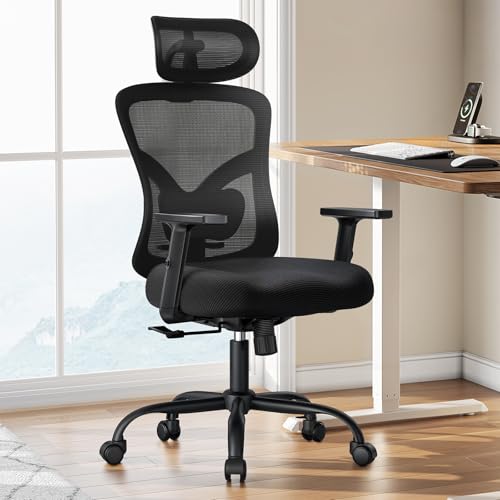
Height- and width-adjustable armrests support your elbows, reducing shoulder strain. Tilt tension allows you to recline smoothly, taking pressure off your spine.
Breathable Materials
Mesh backs and high-quality foam keep you cool and comfortable during long hours. Durable fabric or premium leather options suit any workspace style.
How to Choose the Right Ergonomic Chair
Selecting the best ergonomic desk chair starts with understanding your body, desk height, and daily routine. Consider these five steps before you buy:
- Measure your desk height: Your chair should allow your elbows to rest at a 90° angle when typing. For most standard desk heights (28–30 inches), a seat height of 16–21 inches works well.
- Check weight capacity and build: Look for a sturdy base (5-star steel or aluminum) with a weight rating that suits your body. Heavy-duty options provide more stability.
- Test adjustability: At minimum, you need seat height, backrest tilt, and armrest height. Premium chairs add lumbar depth, seat slide, and tilt lock.
- Consider your work style: If you switch between sitting and standing, pair your chair with a height-adjustable standing desk for maximum flexibility.
- Material matters: Mesh is breathable and modern; leather is classic and easy to clean; fabric offers warmth and texture. Choose what fits your environment.
Ergonomic Chair Comparison
Here's how the most common ergonomic features stack up across different price tiers. Use this as a quick reference when shopping.
| Feature | Budget ($200–400) | Mid-Range ($500–900) | Premium ($1,000–2,500+) |
|---|---|---|---|
| Lumbar Support | Fixed, basic pad | Height-adjustable | Depth + height + tension |
| Seat Depth Adjustment | ✖ | ✔ (slide mechanism) | ✔ (multi-position) |
| Armrest Adjustability | Height only | Height + width | Height + width + pivot + depth |
| Recline Tilt Lock | ✖ | ✔ (multi-angle) | ✔ (infinite lock) |
| Material Quality | Mesh or fabric | Premium mesh or bonded leather | High-grade mesh, genuine leather, or sustainable fabric |
| Warranty | 1–2 years | 3–5 years | 5–12 years |
Pro Tip: An ergonomic chair works best when paired with the right desk surface. Explore our guides on computer desks, L-shaped desks, and desk mats to complete your workspace. For extra comfort, consider adding a footrest or an adjustable desk to switch between sitting and standing throughout the day.
Ready to Sit Better?
Browse our curated selection of top-rated ergonomic chairs. Each model has been evaluated for comfort, durability, and value – so you can shop with confidence.
Shop Ergonomic Chairs Now