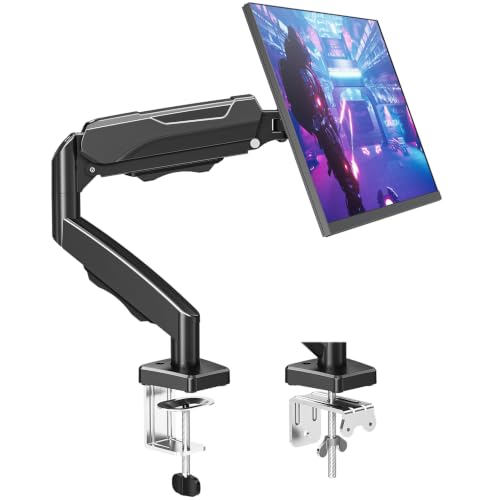
Desk Mounted Computer Monitor Stand Guide
Find the perfect monitor stand to free up desk space, improve ergonomics, and create a cleaner, more productive workspace. Our comprehensive guide covers everything you need to know.
A desk mounted computer monitor stand (also called a monitor arm or mount) is one of the most impactful upgrades you can make to your workspace. It elevates your screen to an ergonomic eye level, reclaims valuable desk surface area, and gives you the flexibility to adjust your monitor's position throughout the day. Whether you're a programmer, designer, gamer, or remote worker, the right monitor stand can transform how you interact with your computer.
This guide will walk you through the different types of desk mounted monitor stands, key specifications to look for, and how to choose the best one for your specific setup. By the end, you'll have all the knowledge you need to make a confident purchase.
Why You Need a Desk Mounted Monitor Stand
Ergonomic Comfort
Position your monitor at the correct height to prevent neck strain, eye fatigue, and poor posture. A properly adjusted stand encourages a healthier sitting position.
Maximum Desk Space
Eliminate the bulky monitor base and reclaim up to 50% of your desk surface. Use the freed-up space for documents, a keyboard tray, or other essentials.
Flexibility & Mobility
Easily swivel, tilt, rotate, and adjust your screen for different tasks, or share your screen with a colleague without moving the whole setup.
Clean Aesthetic
Hide cables and create a minimalist, professional look. Many stands feature integrated cable management channels for a tidy workspace.
Types of Desk Mounted Monitor Stands
Monitor stands come in several configurations to suit different needs and desk setups. Here are the most common types:
Single Monitor Arm
The most popular choice. Holds one monitor on a fully articulating arm. Ideal for most home office and professional setups.
Dual Monitor Arm
Supports two monitors side-by-side or stacked. Perfect for multitasking, coding, or financial trading where multiple screens boost productivity.
Gas Spring / Pneumatic Arm
Uses gas springs for effortless, smooth adjustment. Allows you to reposition your monitor with a single touch. Excellent for shared or dynamic workspaces.
Fixed / Non-Adjustable Stand
A simpler, more affordable option. Raises the monitor to a set height with minimal adjustability. Good for budget-conscious setups where ergonomics are less critical.
Vertical Stacked Arm
Holds one monitor above another in a vertical configuration. Saves horizontal desk space and is popular for content creators and programmers who need reference material.
Wall-Mounted Monitor Arm
Mounts directly to the wall behind your desk, freeing up 100% of desk space. Ideal for standing desks, floating desk setups, or minimalist workspaces.
Key Specifications Comparison
When shopping for a desk mounted monitor stand, pay close attention to these specifications to ensure compatibility with your monitor and desk.
| Feature | What to Look For | Why It Matters |
|---|---|---|
| VESA Compatibility | 75×75mm or 100×100mm (most common) | Ensures the mount fits your monitor. Most modern monitors support VESA. |
| Weight Capacity | Single arm: 4.4–22 lbs (2–10 kg) Dual arm: 4.4–17.6 lbs per arm |
Critical safety feature. Exceeding capacity can cause the arm to sag or fail. |
| Screen Size Support | Typically 13″ to 34″ (some support up to 49″) | Make sure the stand is designed for the size and weight of your screen. |
| Clamp / Mount Type | C-Clamp (for desks up to 2.4″ thick) Grommet Mount (for desks with a hole) |
Choose based on your desk edge or hole availability. C-clamps are more common. |
| Articulation & Reach | Arms typically reach 15–25″ from the mount point | Determines how far you can position the monitor from the base. |
| Integrated Cable Management | Built-in channels or clips to route cables | Keeps your desk surface clean and prevents tangled wires. |
How to Choose the Right Stand for You
Installation & Setup Tips
- 1. Assemble on a soft surface – Use a towel or cardboard to protect your desk from scratches.
- 2. Attach the VESA plate to your monitor first, then mount it to the arm. This is safer and easier.
- 3. Tighten all screws securely, but avoid over-tightening to prevent stripping.
- 4. Adjust gas spring tension if your stand has it – most have an Allen key adjustment to balance the weight.
- 5. Route cables through the integrated channels before final tightening to keep them neat.
- 6. Position the monitor at arm's length (about 20–30 inches from your eyes) with the top of the screen at or slightly below eye level.
Frequently Asked Questions
Will a desk mount fit my monitor?
Can I use a monitor stand with a standing desk?
Is a gas spring arm worth the extra cost?
How much desk space does a monitor stand save?
Can I mount a monitor stand on a glass desk?
Ready to Upgrade Your Workspace?
Browse our curated selection of top-rated desk mounted monitor stands below. Each product is chosen for quality, durability, and value to help you build a more comfortable and productive desk setup.
Shop Monitor Stands