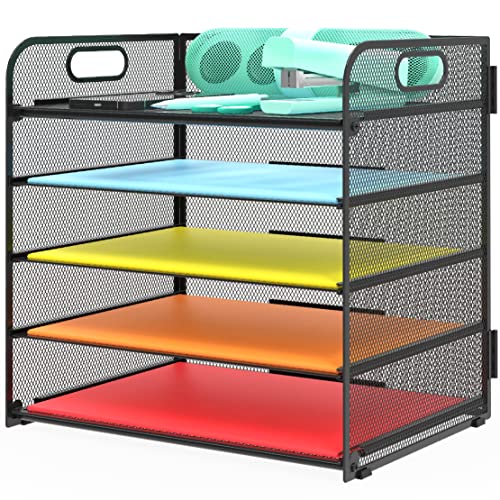
Desk Paper Organizer Guide
Stop chasing stray documents. Find the perfect paper management system for your workspace—whether you prefer vertical trays, stackable bins, or sleek desktop files.
Why a dedicated paper organizer matters: A cluttered pile of papers isn't just unsightly—it kills productivity. According to a Princeton University study, physical clutter competes for your attention, reducing focus and increasing stress. A proper desk paper organizer gives every document a home, so you can work faster, think clearer, and reclaim your desk surface.
What to Look For in a Desk Paper Organizer
Before buying, consider these key factors:
📐 Size & Capacity
- Measure your desk space — leave room for your monitor, keyboard, and other accessories.
- Think about volume: do you handle 10 pages a day or 100+?
- Stackable units can expand as your workload grows.
🧱 Material & Durability
- Metal: Sturdy, professional, long-lasting. Ideal for heavy use.
- Wood / Bamboo: Warm, aesthetic, pairs well with natural desks.
- Plastic: Lightweight, budget-friendly, available in many colors.
📂 Style & Accessibility
- Vertical letter trays save footprint and keep papers visible.
- Horizontal file sorters are great for categorization (invoices, reports, etc.).
- Combination units with drawers add privacy for sensitive documents.
🔄 Flexibility & Expandability
- Modular systems let you add layers as needed.
- Some organizers include pen holders or small accessory slots.
- Consider if you want a stationary unit or a portable one.
Types of Desk Paper Organizers
1. Stackable Letter Trays
The classic choice for busy desks. Stackable trays let you sort documents by priority, project, or status. Metal mesh trays are lightweight and ventilated, while solid metal or acrylic trays look more polished. Explore more about desk organization trays to see which stacking system fits your workflow.
2. Desk File Sorters & Racks
These stand upright and hold file folders, binders, or ring binders. Perfect for categorizing ongoing projects. Some models come with multiple compartments, so you can separate "to-do," "in progress," and "completed." For a complete filing solution, check out our guide to desk file organizers.
3. Drawer-Style Organizers
If you prefer to keep papers out of sight, a desk-top drawer organizer is ideal. These compact units sit on your desk and provide hidden storage for sensitive documents, sticky notes, and stationery. Many also include a top tray for quick-access items. See our desk top drawers article for more ideas.
4. Wall-Mounted Paper Holders
When desk space is at a premium, mount your organizer on the wall. These are great for mail sorting or keeping reference materials within arm's reach without consuming surface real estate.
5. Combination Organizers
Many modern organizers pair paper storage with other functions—like built-in phone stands, pen cups, or monitor risers. These all-in-one solutions can streamline your desk setup and reduce overall clutter.
Quick Comparison: Popular Types
| Type | Best For | Footprint | Price Range |
|---|---|---|---|
| Stackable Letter Trays | High-volume daily paper flow | Small (vertical) | $15–$45 |
| File Sorters / Racks | Project categorization | Medium (upright) | $20–$60 |
| Drawer Organizers | Confidential or small documents | Compact | $12–$35 |
| Wall-Mounted Holders | Zero desk space | None (wall) | $10–$30 |
| Combination Units | Multi-function desks | Varies | $25–$80 |
*Prices are approximate and reflect current market averages.
5 Benefits of Using a Desk Paper Organizer
- ⚡ 1. Instant Document Access – No more digging through stacks. Grab any paper in seconds.
- 🧠 2. Reduced Cognitive Load – A clear desk helps you think clearly. Visual clutter is mental clutter.
- 📈 3. Better Workflow – Organize by priority, project, or date. Keep your most-used items within reach.
- 🕒 4. Time Savings – The average worker spends 30 minutes per day looking for misplaced papers. An organizer eliminates that waste.
- ✨ 5. Professional Appearance – Impress clients, colleagues, or your manager with a tidy, well-organized desk.
How to Choose the Right Paper Organizer
Follow these steps to pick the perfect match for your needs:
- Audit your paper flow: How many documents do you handle daily? What types (letters, invoices, reports)?
- Measure your desk: Ensure the organizer won't crowd your desk table or block your desk computer.
- Choose a material that matches your style: Metal for modern, wood for classic, plastic for budget or color.
- Decide on accessibility: Do you need to see documents at a glance (trays) or prefer them hidden (drawers)?
- Consider future growth: Stackable or expandable systems are smart if your workload might increase.
Pro Tip: Combine your paper organizer with a desk blotter or desk mat to protect your surface and keep everything aligned. A unified system looks cleaner and works better.
Frequently Asked Questions
What is the best material for a desk paper organizer?
Metal is the most durable and professional. Bamboo or wood adds warmth and pairs well with natural desks. Plastic is lightweight and affordable—great for students or temporary setups.
How many trays or compartments do I need?
Start with 3–4 compartments: one for incoming, one for action, one for reference, and one for filing. You can always add more with stackable systems.
Can a paper organizer help with digital clutter?
Yes! Use it to hold printed meeting notes, contracts, or checklists that you reference daily. This reduces the need to toggle between screens and papers.
Are there eco-friendly options?
Absolutely. Look for organizers made from bamboo, recycled plastic, or reclaimed wood. Many brands now offer sustainable choices.
Ready to Declutter Your Desk?
Browse our curated selection of the best desk paper organizers below—each hand-picked for quality, durability, and value.
Shop Top Organizers →