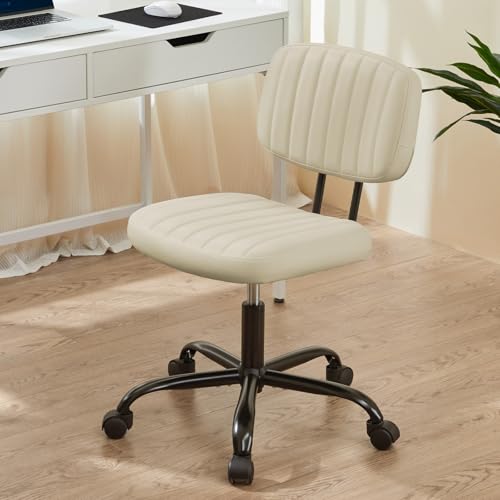
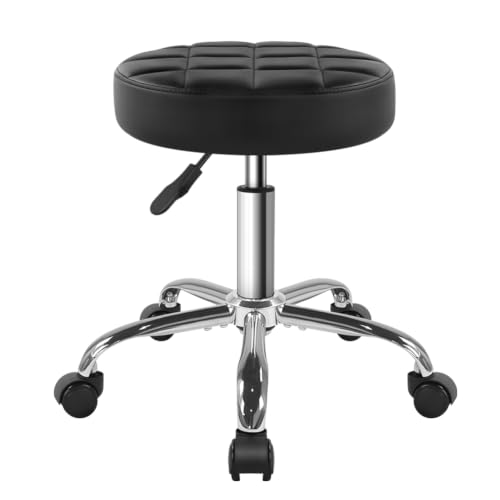
The Complete Guide to Choosing the Best Desk Stool
Discover how the right desk stool can transform your comfort, posture, and productivity. Whether you're an active sitter, a drafter, or looking for a compact seating solution, this guide covers everything you need to know.
Shop Top Desk StoolsWhat is a Desk Stool and Why Do You Need One?
A desk stool is more than just a seat—it's an ergonomic tool designed to support active sitting, improve posture, and promote movement throughout your workday. Unlike traditional office chairs, desk stools often feature a minimalist design, adjustable height, and sometimes a footrest or back support, encouraging you to engage your core and maintain a healthy spine alignment.
Whether you're working at a standing desk, a drafting table, or simply want a versatile seating option for your home office, a desk stool can be a game-changer. It's particularly beneficial for people who experience back pain from prolonged sitting or those who want to incorporate more dynamic movement into their daily routine. Explore our ergonomic seating guide to see how stools compare to traditional chairs.
In this guide, we'll break down everything you need to know about desk stools, from types and materials to the best options available on the market today. By the end, you'll be fully equipped to make an informed purchase decision and find the perfect stool for your workspace.
Key Benefits of a Desk Stool
🧘 Promotes Active Sitting
Encourages subtle movements that engage core muscles and improve circulation, reducing the risks associated with static sitting.
🪑 Boosts Posture
With a design that often lacks armrests or a high back, a stool forces you to sit upright, naturally aligning your spine and shoulders.
📐 Versatile Height Range
Many desk stools are highly adjustable, making them compatible with standard desks, standing desks, and drafting tables. See our guide on desk height ergonomics for more.
🌿 Saves Space
With a compact footprint, a desk stool is an excellent choice for small home offices, apartments, or shared workspaces.
💪 Improves Leg Health
Models with a footrest ring or a saddle design help reduce strain on your legs and lower back, fostering better circulation.
🔄 Dynamic Movement
Some stools feature a swivel base or a rocking mechanism that allows for a wider range of motion, keeping your body active and engaged.
Types of Desk Stools
There are several distinct types of desk stools, each designed for specific needs and preferences. Understanding these differences will help you choose the one that best fits your work style.
1. Perch Stools
Perch stools, also known as standing desk stools, are angled forward and designed to allow you to lean or "perch" on them. They are ideal for sit-stand desk setups where you want to alternate between sitting and standing easily.
2. Saddle Stools
Inspired by equestrian saddles, these stools promote an open hip angle and a neutral spine. They are often used in medical, dental, or hairdressing environments but are becoming popular for office use due to their excellent support.
3. Drafting Stools
These are tall stools specifically designed for high surfaces like drafting or standing desks. They often feature a footrest ring and a higher height adjustment range, making them perfect for tasks that require a standing-level height.
4. Hydraulic & Pneumatic Stools
These stools use a gas cylinder mechanism for effortless, tool-free height adjustment. They offer the most convenience and are highly recommended if you need to frequently adjust your seating position throughout the day.
5. Basic Wooden or Metal Stools
A classic choice for minimalists, these stools are often simple, durable, and aesthetically pleasing. While they may lack ergonomic features, they can be a beautiful and sturdy addition to a particular desk decor theme.
Desk Stool Comparison: Key Features at a Glance
| Type | Height Range | Best For | Ergonomic Benefit |
|---|---|---|---|
| Perch Stool | 20–30 inches | Standing desk users, active sitters | Improves posture, reduces back strain |
| Saddle Stool | 20–28 inches | Long sitting sessions, lower back pain | Open hip angle, neutral spine |
| Drafting Stool | 24–34 inches | High desks, artists, architects | Relieves leg and knee pressure |
| Hydraulic Stool | 18–30 inches | Versatile use, frequent height changes | Customizable fit, reduces tension |
| Wooden/Metal Stool | 18–24 inches | Minimalist decor, occasional use | Simple support, aesthetic appeal |
Note: Height ranges and benefits are general guidelines. Always check the specific product details for precise measurements and features.
Materials and Build Quality
The longevity and comfort of your desk stool are heavily influenced by its materials. Here's a breakdown of common components:
- Seat Material: Options include molded plastic, genuine leather, faux leather, durable fabric, and engineered wood. Leather is luxurious and easy to clean, while fabric offers breathability. Plastic is lightweight and durable.
- Frame & Base: Steel and aluminum are the most common materials for sturdy, long-lasting frames. Look for a robust base to ensure stability, especially if you plan on leaning or moving frequently.
- Gas Lift System: The heart of any adjustable stool. Look for high-quality pneumatic or hydraulic cylinders that offer smooth, reliable height adjustment. A reputable brand often uses Grade 3 or Grade 4 gas springs.
- Base Casters: If your stool has wheels, check for soft, rubberized casters that are gentle on floors. This is crucial if you have hardwood floors. For carpet, a plastic mat is recommended, as detailed in our desk chair mat guide.
- Footrest Ring: A must-have for taller stools or drafting stools. It provides crucial leg support and reduces fatigue.
How to Use a Desk Stool for Optimal Ergonomics
To truly benefit from a desk stool, it's important to use it correctly. Here are our top tips for integrating it into your workspace:
- Adjust Height Correctly: Your feet should rest flat on the footrest ring (if available) or comfortably on the floor. Your thighs should be parallel to the ground. Use the stool's adjustment mechanism to find this sweet spot.
- Engage Your Core: Unlike a traditional chair, a stool encourages you to use your core muscles to maintain balance. This is a fantastic way to strengthen your midsection subtly.
- Take Micro-Breaks: Even with active sitting, remember to stand, stretch, and walk around every 30–45 minutes to keep your joints healthy.
- Combine with a Standing Desk: A stool is the perfect companion for a sit-stand desk. You can perch, sit, and stand throughout the day, ensuring you're not in one static position for too long. For more advice, visit our guide on desks that move up and down.
- Ensure Proper Desk Height: Your desk should be at a height where your elbows are at a 90-degree angle when typing or writing.
Frequently Asked Questions About Desk Stools
Are desk stools good for your back?
Yes, many ergonomic stools are designed to improve posture and reduce back pain by promoting active sitting. However, as with any seating, they must be used correctly and adjusted to your height.
What is the best height for a desk stool?
The best height aligns your thighs parallel to the floor while your feet are supported. For most standard desks (29-30 inches), a stool with a height of 22-26 inches works well. For standing or drafting desks, look for a stool that can reach 30 inches or more.
Can a desk stool replace an office chair?
For many people, a stool can fully replace an office chair, especially if they value active sitting and have good core strength. However, some prefer to alternate between a stool and a traditional desk chair to get the best of both worlds.
How much does a good desk stool cost?
You can find basic models for under $100, while high-end ergonomic stools can range from $200 to over $600. For a quality, durable stool with good ergonomics, expect to invest between $200 and $400.
Ready to Upgrade Your Workspace?
Your perfect desk stool is just a click away. Below, you'll find a curated list of top-rated products to match your style and budget. Investing in the right stool is investing in your health and productivity.