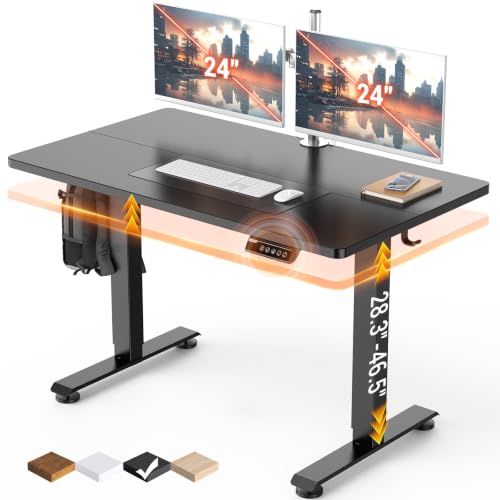
Ergonomic Desk: Build a Healthier, More Productive Workspace
All about desks for your well-being. Discover expert advice on adjustable desks, posture-perfect setups, and accessories that reduce strain and boost energy.
Start Your Ergonomic JourneyAll About Desks Philosophy: An ergonomic desk is more than furniture—it’s a tool for health and productivity. We guide you through choosing the right height-adjustable desk, monitor placement, chair pairing, and accessories to create a workspace that supports your body and mind. Whether you're a remote worker, gamer, or creative, your desk should work for you, not against you.
What Defines an Ergonomic Desk?
An ergonomic desk is designed to adapt to your body's natural posture, reducing strain on your neck, shoulders, back, and wrists. The core feature is height adjustability, allowing you to switch between sitting and standing throughout the day. But true ergonomics go beyond height: it's about the entire ergonomic desk set up, including monitor distance, keyboard tray, and chair integration.
A well-designed ergonomic office desk promotes neutral posture: feet flat on the floor, thighs parallel to the ground, elbows at 90°, and eyes level with the top of your monitor. This reduces fatigue and increases focus—making it a smart investment for anyone spending hours at a desk.
Why Choose an Ergonomic Desk?
🦴 Posture Support
Adjustable height and tilt options help you maintain a straight spine and relaxed shoulders, preventing chronic back and neck pain.
⚡ Energy & Focus
Alternating between sitting and standing boosts circulation and oxygen flow, keeping you alert and productive throughout the day.
🔄 Long-Term Health
Reduces the risk of musculoskeletal disorders, carpal tunnel, and metabolic slowdown associated with prolonged sitting.
📈 Productivity Boost
Studies show that a comfortable, personalized workspace increases efficiency and reduces errors, helping you achieve more in less time.
Types of Ergonomic Desks
Not all ergonomic desks are the same. The most popular are electric standing desks, which offer smooth, programmable height adjustments with the push of a button. For a more budget-friendly option, manual crank desks provide reliable adjustment without electricity. If you already have a fixed desk, consider an ergonomic desk converter that sits on top of your existing surface to add sit-stand functionality.
For corner spaces, an ergonomic L-shaped desk maximizes surface area while maintaining ergonomic principles. Gamers and creatives often prefer ergonomic gaming desks that combine adjustable height with cable management and monitor mounting options. Each type has its own strengths, but all share the core goal of supporting your body.
🔍 Your Ergonomic Desk Checklist
- Height range: Ensure the desk adjusts to your elbow height (typically 22–50 inches).
- Stability: Look for a sturdy frame that doesn't wobble at standing height.
- Surface space: Enough depth (at least 24") and width for your monitor, keyboard, and accessories.
- Programmable presets: Save your sitting and standing heights for quick changes.
- Quiet motor: Essential for a distraction-free workspace.
- Compatibility: Can it support your monitor arm, CPU holder, and other desk with monitor arm accessories?
Essential Ergonomic Accessories
An ergonomic desk is only half the equation. The right accessories complete your setup and prevent repetitive strain injuries. Start with a quality ergonomic chair that supports your lower back. Pair it with a keyboard tray to keep your wrists straight, and a monitor arm to position your screen at eye level. Don't forget a footrest if your feet don't reach the floor, and an anti-fatigue mat if you stand frequently.
For those with specific needs, consider an ergonomic desk chair for back pain or a ergonomic mesh desk chair for breathability. Cable management and monitor stands also contribute to a clean, distraction-free environment. Every accessory should work in harmony to keep your body in a neutral, relaxed position.
Step-by-Step Ergonomic Setup
Setting up your ergonomic desk correctly is crucial. Start by adjusting the height so your elbows rest at a 90° angle when typing. Place your monitor an arm's length away, with the top of the screen at or slightly below eye level. Your keyboard should be flat or slightly negative-tilted to keep your wrists straight. Finally, ensure your chair supports your lower back and that your feet are flat on the floor or a footrest.
For a comprehensive guide, explore our ergonomic desk set up page, which covers every detail from monitor distance to lighting. Remember, ergonomics is not a one-time fix—regularly adjust your setup as your work habits or equipment change.
How Much Does an Ergonomic Desk Cost?
Prices for ergonomic desks vary widely based on size, material, and features. A basic manual crank desk starts around $300–$500, while premium electric models with memory presets and high weight capacity typically range from $600–$1,200. For a top-tier executive standing desk with a solid wood top and advanced stability, expect to invest $1,500+. The average home office user finds excellent value in the $500–$800 range.
When budgeting, consider the long-term health benefits—an ergonomic desk is an investment in your well-being. Accessories like monitor arms, keyboard trays, and anti-fatigue mats add $100–$300 to your total. However, many users find that the improved comfort and productivity pay for themselves within months.
Avoid These Ergonomic Mistakes
Even with an ergonomic desk, common errors can undermine your efforts. Setting the desk too high or too low forces your shoulders or wrists into awkward positions. Placing the monitor too far or too low strains your neck and eyes. Many users also forget to switch between sitting and standing, defeating the purpose of adjustability. Finally, cluttered cable management can limit your range of motion and create frustration.
Take time to calibrate your setup, and use a timer to remind you to change positions every 30–60 minutes. For more tips, visit our desk tips section, where we cover everything from posture drills to desk layout hacks.
Your Next Steps
Ready to upgrade your workspace? Start by measuring your current desk height and evaluating your daily posture. Then explore the best ergonomic standing desks and adjustable desk converters on the market. Remember to prioritize stability, height range, and compatibility with your existing accessories.
If you're working with limited space, consider a desk for small spaces or a floating desk that mounts to the wall. For larger offices, an executive office desk with ergonomic features offers both style and function. No matter your choice, an ergonomic desk is a step toward a healthier, more enjoyable work life.
Browse our recommended products below—each one has been selected for quality, value, and ergonomic excellence. Click through to find the perfect fit for your home or office.