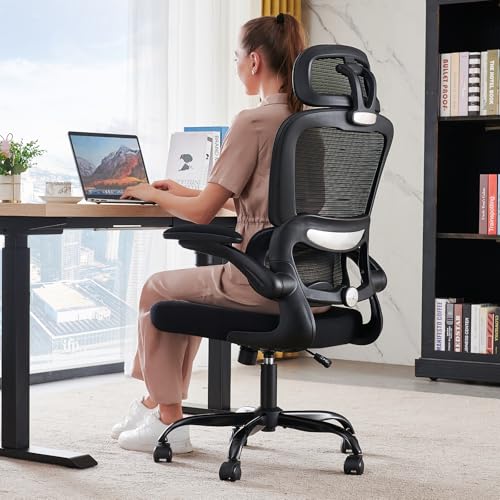
Ergonomic Desk Chair: The Ultimate Guide to Comfort & Posture
Discover how the right ergonomic chair can transform your workday, reduce back pain, and boost productivity. We compare features, materials, and top-rated models.
Shop Top Ergonomic Chairs ↓Why Your Chair Matters: An ergonomic desk chair is not just a seat—it's an investment in your health. Poor posture leads to chronic back pain, fatigue, and decreased focus. This guide helps you choose a chair that supports your body, fits your workspace, and lasts for years. Whether you're working from home or in an office, the right chair makes all the difference.
Key Features of a Quality Ergonomic Chair
Adjustable Lumbar Support
Proper lower back support maintains the natural S-curve of your spine. Look for chairs with height and depth-adjustable lumbar pads to match your spine's contour.
Seat Height & Depth
Your feet should rest flat on the floor with knees at a 90° angle. Adjustable seat height (typically 16–21 inches) and depth (seat pan slide) accommodate different leg lengths.
Armrest Adjustability
4D armrests (height, width, depth, and angle) reduce shoulder strain and support your elbows at a 90° angle while typing.
Recline & Tilt Mechanism
Multi-tilt and synchro-tilt mechanisms allow the backrest and seat to move together, reducing pressure on your spine as you recline.
Breathable Material
Mesh backs promote airflow to keep you cool during long sessions. Fabric and leather options offer different comfort levels and durability.
Weight Capacity & Build
Sturdy bases with a weight capacity of 250–400 lbs ensure durability. Check for steel or aluminum frames, gas lift cylinders, and smooth-rolling casters.
Comparing Chair Materials: Which Is Right for You?
| Material | Pros | Cons | Best For |
|---|---|---|---|
| Mesh | Breathable, lightweight, flexible support | Less cushioned, may not suit heavier users | Warm climates, long hours |
| Fabric (Polyester/Textile) | Comfortable, durable, variety of colors | Less breathable, can stain | General office use, cooler environments |
| Leather / PU Leather | Premium look, easy to clean, long-lasting | Can get hot/sticky, higher price | Executive style, professional settings |
| Memory Foam | Exceptional comfort, contours to body | Can retain heat, heavier | Users with lower back pain, extended sitting |
Ergonomic Chair Buying Checklist
Before you buy, make sure your chair meets these essential criteria:
- Seat height range — does it fit your desk height? Ideal range: 16”–21”.
- Seat depth adjustability — can you slide the seat pan? 2–4 inches of adjustment is ideal.
- Lumbar support — is it height-adjustable and firm enough?
- Armrests — at least 2D (height and width) or better, 4D.
- Tilt tension control — adjust resistance based on your weight.
- Casters — choose soft or hard casters for your floor type (carpet vs. hardwood).
- Warranty — look for 5–12 years of coverage on moving parts.
- Assembly — check if tools are included and reviews on assembly ease.
Health Benefits of an Ergonomic Chair
Reduces Back Pain
Proper lumbar support aligns your spine, reducing strain on the lower back and preventing long-term issues.
Improves Posture
Adjustable features encourage a neutral sitting position, keeping your shoulders back and head aligned.
Boosts Circulation
Seat depth and tilt mechanisms promote blood flow to your legs, preventing numbness and fatigue.
Increases Productivity
Comfortable seating reduces distractions, allowing you to focus longer without discomfort.
Top Ergonomic Chair Models (Price & Features)
Here are some of the best-rated ergonomic desk chairs across different budgets. Prices reflect current market rates.
| Model | Key Features | Material | Price Range |
|---|---|---|---|
| Herman Miller Aeron | Pellicle mesh, full adjustability, tilt limiter, 8-year warranty | Mesh | $1,400–$1,800 |
| Steelcase Gesture | 3D LiveBack, 4D arms, seat slide, weight capacity 400 lbs | Fabric/Mesh | $1,200–$1,600 |
| Humanscale Freedom | Counter-balance recline, weight-sensitive, adjustable lumbar | Fabric/Leather | $1,000–$1,400 |
| Secretlab Titan Evo | Lumbar system, 4D arms, full tilt, 5-year warranty | PU Leather/Fabric | $500–$700 |
| Staples Dexley | Mesh back, height/seat depth adjust, 250 lb capacity | Mesh/Fabric | $200–$300 |
| Hbada Ergonomic Office Chair | Lumbar support, flip-up arms, breathable mesh, 300 lb capacity | Mesh | $150–$250 |
* Prices are approximate and may vary by retailer and region.
Frequently Asked Questions
What is the ideal seat height?
Your feet should rest flat on the floor with knees at a 90° angle. Most chairs adjust from 16 to 21 inches.
Is mesh or fabric better?
Mesh offers breathability; fabric feels softer. Choose based on your climate and personal comfort preference.
How much should I spend?
For daily use, invest at least $300–$500. Premium chairs ($800+) offer longer durability and advanced ergonomics.
Can a chair fix back pain?
A proper ergonomic chair reduces strain, but combine it with regular breaks, stretching, and a proper desk height for best results.
What is the weight limit?
Most standard chairs support 250–300 lbs. Heavy-duty options go up to 400 lbs. Always check the spec.
How do I adjust the lumbar support?
Look for a knob or lever on the backrest. Adjust height so the curve fits your lower spine, then adjust depth for firmness.
Ready to Choose Your Ergonomic Chair?
We recommend starting with a chair that offers adjustable lumbar support, seat depth, and armrests. If your budget allows, choose a model with a breathable mesh back and a sturdy metal base. For most users, the Secretlab Titan Evo or Staples Dexley offer excellent value. If you spend 8+ hours at your desk, consider investing in a Herman Miller Aeron or Steelcase Gesture for long-term health benefits.