Floating Wall Desks: The Ultimate Space-Saving Solution
Discover the perfect wall-mounted desk for your home office, small space, or modern workspace.
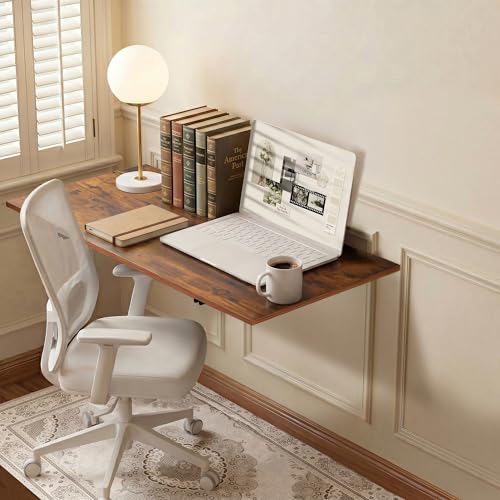
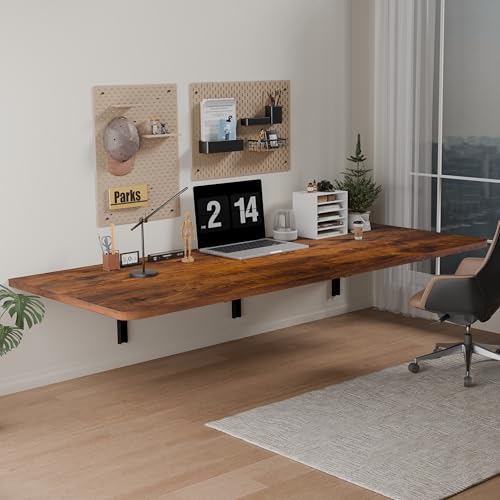
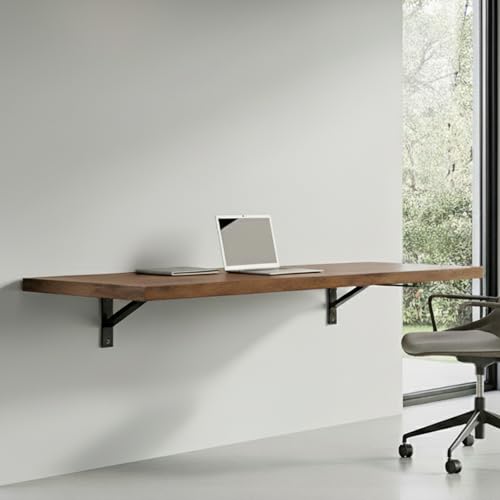
A floating wall desk is more than a trend—it's a smart, space-saving solution. Whether you're working with a compact apartment, a cozy nook, or simply want a minimalist aesthetic, a wall-mounted desk frees up floor space and creates a clean, modern look. This guide covers everything from types and materials to installation and weight capacity, so you can choose the perfect floating desk for your needs.
Why Choose a Floating Wall Desk?
Floating desks offer unique advantages that make them a favorite for modern workspaces:
- Space-Saving: No legs mean more floor space and a feeling of openness.
- Clean Aesthetic: Creates a minimalist, uncluttered look that complements any style.
- Versatile: Can be installed at any height, making it perfect for standing desks or kids' rooms.
- Easy Cleaning: With no legs, sweeping and mopping underneath is a breeze.
- Customizable: Available in various materials, sizes, and finishes to match your decor.
Floating desks are ideal for home offices, small apartments, dorm rooms, and creative spaces. Pair yours with a monitor arm to further free up surface space and achieve a truly floating setup.
Key Features to Consider
Weight Capacity
Check the maximum weight limit to ensure it can support your monitor, laptop, books, and other items. Look for desks with a capacity of at least 50 lbs (23 kg) for a standard setup.
Material
Common materials include solid wood, plywood, MDF, and metal. Solid wood is durable and beautiful, while MDF is budget-friendly. Metal frames add strength and a modern look.
Size & Depth
Measure your available wall space. Standard depths range from 16 to 24 inches (40-60 cm). Deeper desks offer more workspace but require stronger mounting.
Mounting System
Look for desks with robust, heavy-duty brackets or a French cleat system. These ensure the desk is securely anchored to wall studs for stability.
Finish & Style
Choose from natural wood, painted finishes, or laminate. Consider whether you want a modern, rustic, or industrial look to match your decor.
Additional Features
Some models include built-in cable management, drawers, or shelves. Think about your storage needs and whether you want a simple surface or more functionality.
Floating Desk Materials Comparison
| Material | Durability | Weight Capacity | Price Range | Style |
|---|---|---|---|---|
| Solid Wood | Very High | High (100+ lbs) | $200–$600+ | Natural, warm |
| Plywood | High | High (80+ lbs) | $150–$400 | Modern, versatile |
| MDF | Moderate | Moderate (50–70 lbs) | $80–$200 | Budget, painted |
| Metal/Steel | Very High | High (150+ lbs) | $250–$800+ | Industrial, modern |
Choose a material that balances your budget, weight needs, and aesthetic preferences. For a durable, long-lasting floating desk, solid wood or plywood are excellent choices. If you're on a budget, MDF with a sturdy frame can still provide great value.
Installation & Safety Tips
Proper installation is critical for safety and performance. Follow these steps to ensure your floating desk is secure:
- Find the Wall Studs: Use a stud finder to locate studs. Mounting into studs is essential for supporting heavy loads. If studs aren't aligned, use toggle bolts or heavy-duty anchors.
- Use the Right Hardware: Most desks come with mounting hardware. If not, use lag bolts or heavy-duty screws that are long enough to penetrate the studs.
- Level the Desk: Use a level during installation to ensure the desk is perfectly horizontal. An uneven desk can cause items to slide and look unprofessional.
- Check Weight Distribution: Distribute weight evenly across the desk. Avoid placing heavy items near the edges or on one side to prevent sagging or loosening.
- Secure Cables: Use cable ties or under-desk cable trays to keep cords organized and off the floor. This enhances the floating look and prevents tripping.
If you're not confident in your DIY skills, consider hiring a professional installer. A well-mounted floating desk will serve you for years and provide a safe, stable workspace. For additional cable management, consider a cable management desk solution.
Final Recommendations
Our Top Pick: For most users, a solid wood or high-quality plywood floating desk with a French cleat mounting system offers the best balance of durability, aesthetics, and ease of installation. Look for models with a weight capacity of at least 75 lbs (34 kg) to accommodate a monitor, laptop, and accessories.
Budget Option: If you're looking for a more affordable choice, an MDF desk with heavy-duty metal brackets can still provide good value. Just ensure it's properly anchored to wall studs.
Luxury Choice: For a premium look, consider a custom or high-end metal desk with integrated cable management and a sleek, modern finish. These often come with extended warranties and exceptional build quality.
Ultimately, the best floating wall desk is one that fits your space, supports your equipment, and complements your style. Invest in quality materials and proper installation for a workspace that's both functional and beautiful.