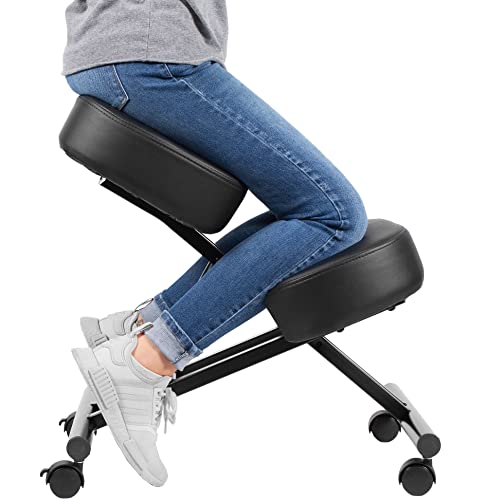
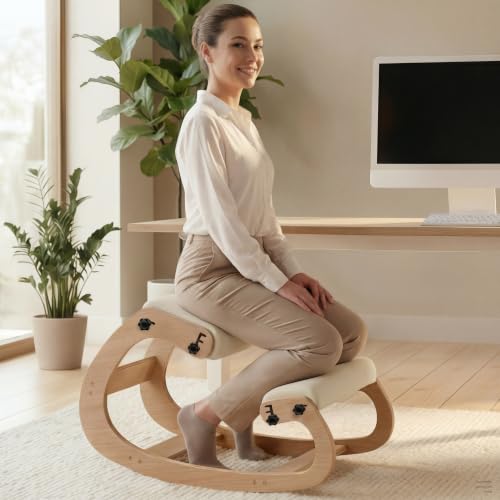
What Is a Kneeling Desk Chair?
A kneeling desk chair is an ergonomic seating solution designed to promote a healthier sitting posture. Instead of a standard seat pan and backrest, it features a forward-tilting seat and padded knee rests. This design encourages your hips to tilt forward, aligning your spine into a natural 'S' curve. High-quality desk chairs often focus on lumbar support, but kneeling chairs take a different approach by redistributing body weight between the buttocks and shins.
Key Benefits of a Kneeling Desk Chair
- Reduces Lower Back Pain: By opening the hip angle to about 90-110 degrees, the kneeling chair reduces pressure on the lumbar spine.
- Improves Core Strength: The forward tilt engages your abdominal muscles, promoting active sitting.
- Enhances Breathing: An upright, open chest position allows for deeper, more efficient breathing.
- Boosts Circulation: The angle helps maintain healthy blood flow, especially in the legs.
- Encourages Movement: The design makes it easy to shift and change positions, preventing stiffness.
Who Should Use a Kneeling Desk Chair?
Kneeling chairs are ideal for anyone who spends long hours at a desk and struggles with back discomfort. They are especially helpful for those who find traditional chairs cause slouching or hip tightness. Home desk chair users often report better focus and less fatigue after switching to a kneeling design.
- Remote Workers: Maintain energy throughout the workday.
- Students: Improve concentration during study sessions.
- Gamers: Enjoy longer sessions with reduced back strain.
- Anyone with Desk Jobs: A simple upgrade for better spinal health.
How to Choose the Best Kneeling Desk Chair
Buying Guide: Key Factors to Consider
- Knee Padding: Look for thick, high-density foam that supports your shins comfortably.
- Seat Cushion: The main seat should be contoured and sufficiently padded to support your glutes.
- Adjustability: Choose a chair with adjustable height and tilt to customize the fit for your body.
- Frame Material: Sturdy steel or aluminum frames provide stability and durability.
- Weight Capacity: Ensure the chair supports your weight safely (most support 200–300 lbs).
- Wheels or Glides: Decide between mobility (casters) or stationary stability (glides).
If you're also considering a gaming desk chair or a good desk chair for gaming, a kneeling chair might be a refreshing alternative, especially for those who prioritize posture over traditional high-back designs.
Popular Styles of Kneeling Chairs
- Classic Kneeling Stool: The original design with a padded seat and angled knee rests.
- Adjustable Kneeling Chair: Offers multiple adjustment points for seat height, knee angle, and tilt.
- Kneeling Chair with Backrest: Some models include a small back support for added lumbar comfort.
- Portable Kneeling Chair: Lightweight and foldable, great for flexible workspaces.
Many modern versions blend ergonomic principles with sleek aesthetics, fitting seamlessly into any home office desks setup.
Comparing Kneeling Chairs to Traditional Office Chairs
Posture
Kneeling: Promotes upright spine. Traditional: Can encourage slouching.
Back Pain
Kneeling: Reduces lower back pressure. Traditional: May aggravate lumbar issues.
Movement
Kneeling: Encourages active sitting. Traditional: Often promotes static posture.
Adjustability
Kneeling: Limited to height/angle. Traditional: Highly customizable (armrests, lumbar, etc.).
For those who prefer a more conventional feel but still want ergonomic support, a gray desk chair or a heavy-duty desk chair might be a familiar alternative. However, if you're ready to try a new approach to sitting, a kneeling chair is a proven solution.
Tips for Getting the Most from Your Kneeling Chair
- Start Slow: Use it for short periods initially to let your body adjust.
- Maintain Proper Desk Height: Ensure your desk matches the chair's height for optimal ergonomics.
- Pair with a Standing Desk: Alternate between sitting and standing for maximum health benefits.
- Wear Comfortable Clothing: Avoid tight pants that may restrict knee movement.
If you're setting up a new workspace, consider pairing your kneeling chair with a L-shaped corner desk or a height adjustable gaming desk for a complete, ergonomic environment.
💡 Did You Know? Many physical therapists recommend kneeling chairs to patients recovering from lower back injuries due to their ability to reduce spinal compression.