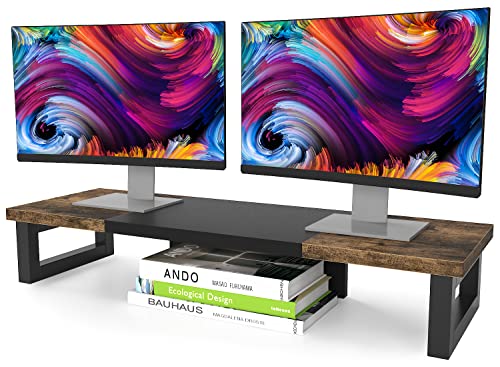
Monitor Risers for Desk: Elevate Your Workspace
Discover how the right monitor riser improves posture, frees up desk space, and enhances productivity. Our expert guide covers top models, ergonomic benefits, and styling tips for a more comfortable and organized desk setup.
Why Your Desk Needs a Monitor Riser
Working at a desk for hours can take a toll on your neck, shoulders, and eyes. A monitor riser for desk is a simple yet powerful solution that elevates your screen to eye level, promoting a neutral spine and reducing strain. Beyond ergonomics, a riser instantly adds valuable storage space underneath, helping you organize your desk organization and keep your surface clutter-free. Whether you're using a laptop or a large external display, the right stand transforms your workspace into a healthier, more productive environment.
🪑 Ergonomic Posture
Raises monitor to eye level, reducing neck and back pain. Promotes a natural sitting position, essential for long work sessions.
📦 Desk Space Saver
Frees up valuable surface area by creating a shelf underneath for keyboards, notebooks, or other desk accessories. Ideal for small desks.
💡 Improved Focus
Proper screen height reduces eye fatigue and glare, helping you stay focused and productive throughout the day.
🛠 Versatile & Adjustable
Available in fixed heights, adjustable arms, and portable designs. Fits most monitor sizes and modern desk aesthetics.
Choosing the Right Monitor Riser
Not all risers are created equal. From simple wooden stands to premium gas-spring arms, the best choice depends on your desk setup, monitor weight, and aesthetic preference. Below is a quick comparison of popular types to help you decide.
Monitor Riser Types at a Glance
- Fixed Wooden Riser Sturdy, affordable, natural look. Ideal for modern wood desk setups. Height: ~4"–6".
- Adjustable Desktop Stand Multiple height settings, often with USB ports. Great for dual-purpose gaming desks.
- Monitor Arm / Gas Spring Fully adjustable, clamps to desk. Saves maximum space. Best for standing desks.
- Portable Laptop Riser Lightweight, foldable. Perfect for mobile desk users or hybrid workers.
What to Look for in a Monitor Riser
When shopping for a monitor riser for desk, consider these key factors to ensure you get the best value and functionality:
- Height Range: Ideally, the top of your screen should be at or slightly below eye level. Look for risers with adjustable height or a fixed height that matches your seating position.
- Weight Capacity: Check the maximum weight support, especially if you have a heavy gaming monitor or an ultrawide screen. Most risers support up to 20–40 lbs.
- Material & Build: Wood, metal, and acrylic are common. Choose a material that complements your modern office desk and offers durability.
- Extra Features: Some risers include USB hubs, cable management channels, or integrated drawers for desk organization.
- Stability: Ensure the base is wide enough to prevent wobbling, especially if you type heavily or use a monitor arm.
Integrating a Monitor Riser into Your Desk Setup
A monitor riser isn't just functional—it's a design element. Whether you prefer a minimalist minimalist desk or a cozy cozy desk aesthetic, the right riser can enhance your workspace. Pair it with a desk mat for a unified look, or use the space underneath to store your keyboard tray or a stylish desk plant. For dual-monitor setups, consider a wide riser or two separate stands to maintain symmetry. If you're using a standing desk converter, a riser can further optimize your screen position during standing sessions.
Ergonomic Benefits of Proper Monitor Height
According to ergonomic guidelines, the top of your monitor should be at or just below eye level, with the screen tilted slightly upward. A monitor riser helps achieve this, reducing the risk of "tech neck" and eye strain. When combined with an ergonomic comfortable desk chair and proper desk height, a riser completes the foundation of a healthy workspace. Many users report less fatigue and fewer headaches within days of using a riser correctly.
Frequently Asked Questions About Monitor Risers
What is the ideal height for a monitor riser?
The ideal height depends on your seating position. Generally, the top of the monitor should be at eye level. For most people, a riser that adds 4–6 inches is sufficient. Adjustable stands offer more flexibility.
Can I use a monitor riser with a laptop?
Yes! Many risers are designed for laptops. Look for a model with a wide platform and ventilation holes. You can also use a separate laptop riser for desk that's specifically designed for portability.
Are monitor risers compatible with standing desks?
Absolutely. In fact, they work great with electric standing desks because they add another layer of adjustability. Just make sure the riser is stable when the desk is at full height.
Do monitor risers damage desk surfaces?
Quality risers have soft pads or rubber feet to protect your desk surface. If you're concerned, place a desk mat underneath for extra protection, especially on glass desks.
Ready to Elevate Your Workspace?
Browse our top picks for monitor risers that combine ergonomics, style, and value. Each model has been selected for quality and user satisfaction.
Shop Monitor Risers