Normal Desk Depth: Find the Perfect Fit
Discover the standard depths for desks—24, 30, and 36 inches—and learn which one suits your workspace, monitor setup, and comfort needs. Make an informed choice for your dream desk.
Learn About Desk HeightWhat is normal desk depth? The "normal" or standard desk depth typically ranges from 24 to 36 inches (60–90 cm). However, the ideal depth depends on your work style, the size of your monitor(s), and how you use your surface. This guide breaks down each standard depth so you can choose confidently.
Standard Desk Depths Explained
Most desks fall into one of three standard depth categories. Here's what each one means for your workspace:
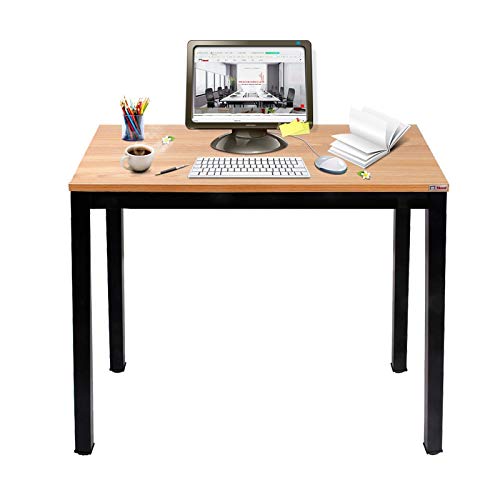
- 24 inches (60 cm) Compact and space-saving. Ideal for small rooms, students, or minimal setups. Works well with a single laptop or small monitor. Limited surface for paperwork or multiple devices.
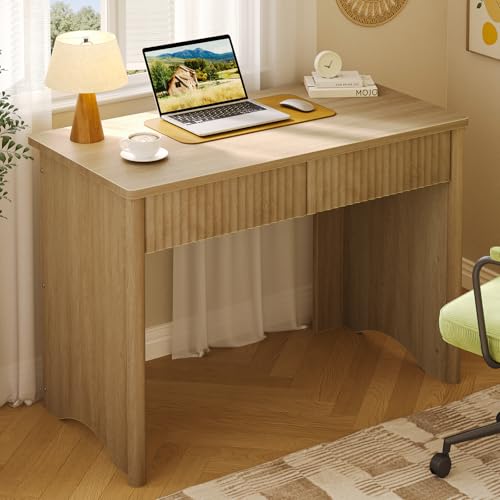
- 30 inches (76 cm) The most common "normal" desk depth. Provides ample room for a monitor (up to 27"), keyboard, mouse, and some papers. A versatile choice for home offices, gaming, and general use.
- 36 inches (90 cm) or more Deep and spacious. Designed for professionals with multiple monitors, large drafting work, or heavy equipment. Offers plenty of surface for creative projects and extensive setups.
How to Choose the Right Desk Depth
Selecting the correct depth is about balancing your available space with your functional needs. Consider these factors:
- Monitor size & layout: A 24-inch depth is snug for a single 24" monitor. A 30-inch depth comfortably supports dual monitors or a single 27"–32" screen. For ultrawide or multiple displays, 36 inches is recommended.
- Ergonomics: You should be able to place your monitor at arm's length (about 20–30 inches from your eyes). The desk depth must allow for this without pushing the screen too close or too far.
- Work surface: If you frequently spread out paperwork, blueprints, or use a drawing tablet, a deeper desk (36") prevents clutter and improves productivity.
- Room size: Measure your room. A 24-inch desk fits in tight corners, while a 36-inch desk requires more floor space and may dominate a small room.
If you're working with a compact area, consider a narrow desk or a compact desk that fits perfectly in small nooks. For those who need more surface flexibility, a floating desk or a corner standing desk can maximize depth without sacrificing floor space. And don't forget the importance of desk height alongside depth for optimal ergonomics.
Desk Depth & Monitor Placement
The depth of your desk directly affects how you position your monitor. Here are practical guidelines:
- 24" depth: Best for laptops or monitors up to 24". Use a monitor arm to reclaim surface space. Keep the keyboard and mouse close.
- 30" depth: The sweet spot. Place a 27" monitor at the back, leaving about 10–12 inches of clear space in front for your keyboard and notes.
- 36" depth: Perfect for dual 27" monitors or a single 49" ultrawide. You can place the screen further back, reducing eye strain and allowing for a more relaxed posture.
For a detailed monitor placement guide, check out our monitor placement guide and learn how to set up your screen at the ideal distance and height.
Desk Depth for Different Activities
Your primary use case should drive your depth choice:
- Writing & reading: 24–30 inches is adequate. You need room for a book, notepad, and maybe a small lamp.
- Gaming: 30 inches is recommended. A deeper desk (36") can accommodate a large mouse pad, full-size keyboard, and a large monitor or multi-monitor setup.
- Creative work (design, drawing, music): 36 inches or more. You need space for a drawing tablet, MIDI keyboard, or reference materials.
- Home office multitasking: 30–36 inches. You'll appreciate the extra space for documents, a phone, and a coffee mug.
For specialized needs, explore our writing desks for minimalist setups, or our gaming desks for more robust configurations. If you're setting up a home studio, a music production desk often features deeper surfaces for audio equipment.
Depth & Cable Management
A deeper desk offers a significant advantage: more space for hidden cable management. You can mount cable trays under the desk, run wires along the back edge, and keep the surface clean. With a 30" or 36" desk, you have the depth to install a under-desk cable management system that is both effective and out of sight.
Our Verdict: The "Normal" Depth
For most people, a 30-inch (76 cm) depth is the ideal "normal" desk depth. It provides enough surface for a comfortable monitor setup, leaves room for essential items, and fits well in most home and office spaces. It's the most versatile choice and the one we recommend for 80% of users.
However, if you have a small room or a simple laptop setup, a 24-inch desk works perfectly. If you have the space and need room to spread out, a 36-inch desk will never leave you wanting more surface.
Remember, the best desk depth is one that suits your workflow and space. Use this guide as a starting point, and always measure your room and equipment before buying.
Ready to find your perfect desk? Explore our recommended products below. Each desk is selected for its quality, ergonomics, and value. Choose the depth that fits your life.