Rising Desk: The Complete Guide to Adjustable Height Desks
Discover the benefits of a rising desk, explore different types, and learn how to choose the perfect adjustable height desk for your health and productivity. Your journey to a better workspace starts here.
Shop Top Rising DesksWhy a Rising Desk? Also known as a sit-stand desk, a rising desk allows you to easily switch between sitting and standing throughout the day. This simple change can reduce back pain, boost energy, and improve focus. Whether you're looking for an electric standing desk or a manual option, this guide covers everything you need to know.
What is a Rising Desk?
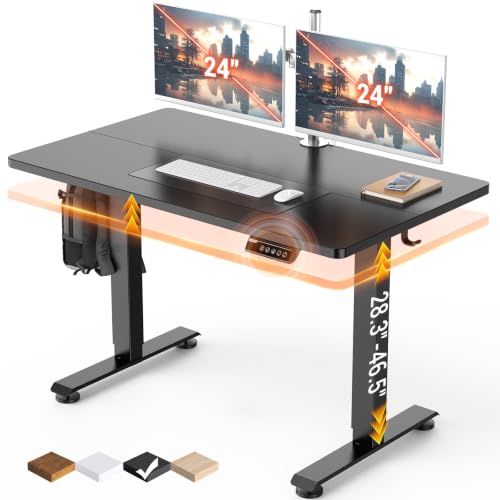
A rising desk, often called an adjustable height desk or sit-stand desk, is a workstation that lets you change the height of the work surface. This allows you to work comfortably while sitting or standing. The concept is simple: by alternating between postures, you reduce the health risks associated with prolonged sitting and enjoy the benefits of a more dynamic workday.
Rising desks come in various forms, from manual crank models to sophisticated electric versions with memory presets. They are available in a wide range of sizes and styles to fit any home office or corporate environment. For those with limited space, a compact desk or a portable standing desk might be the ideal solution.
Top Benefits of Using a Rising Desk
Investing in a rising desk is an investment in your long-term health and productivity. Here are the key benefits that make a sit-stand desk a worthwhile addition to any workspace:
- Improved Posture: A properly adjusted rising desk encourages better spinal alignment, reducing the strain on your neck and lower back.
- Reduced Back Pain: Alternating between sitting and standing can alleviate chronic back pain and discomfort, a common complaint among office workers.
- Increased Energy Levels: Standing while working promotes better circulation, which can help combat the mid-afternoon slump and keep you more alert.
- Enhanced Productivity: Many users report increased focus and productivity when using a sit-stand desk, as it helps them stay engaged and comfortable.
- Lower Risk of Chronic Diseases: Prolonged sitting is linked to an increased risk of heart disease, diabetes, and obesity. A rising desk encourages movement and a more active lifestyle.
For more detailed information on ergonomic best practices, check out our guides on proper sitting posture and the complete sit-stand desk guide.
Types of Rising Desks: Find Your Perfect Match
Rising desks are not one-size-fits-all. Depending on your needs, budget, and workspace, you can choose from several distinct types. Here's a breakdown of the most popular options:
Electric Standing Desks
Electric rising desks use a motorized system to adjust the height at the push of a button. They are the most convenient and popular choice, offering smooth transitions and programmable memory settings. If you frequently switch between sitting and standing, an electric standing desk is an excellent investment. Prices typically range from $400 to $1,200.
Manual Standing Desks
Manual rising desks use a hand-crank or pneumatic mechanism to change height. They are generally more affordable and don't require a power outlet, making them a great choice for budget-conscious users or those with limited access to electricity. A manual standing desk is a reliable and cost-effective option, with prices starting around $200.
Standing Desk Converters
If you already have a traditional desk you love, a standing desk converter is a fantastic solution. These are desktop platforms that sit on your existing surface and allow you to raise your monitor and keyboard. They are portable and perfect for those who are not ready to commit to a full desk replacement. See our standing desk converters page for more options. Prices typically range from $100 to $400.
Corner and L-Shaped Rising Desks
For those with larger workspaces or who need room for multiple monitors, corner standing desks and L-shaped desks offer ample surface area. These provide the benefits of a rising desk with the added advantage of a spacious, organized layout.
How to Choose the Right Rising Desk
Selecting the perfect rising desk involves considering several factors to ensure it fits your body, space, and workflow. Here is a step-by-step guide to help you make an informed decision:
- Height Range: The desk's height range should accommodate your sitting and standing preferences. The standard range is typically 28" to 47". Ensure the lowest setting allows your arms to rest at a 90-degree angle while sitting, and the highest setting does the same while standing.
- Weight Capacity: Consider the weight of your equipment. Monitors, a PC, and other accessories can add up. Most standard rising desks support between 100 and 300 pounds. If you have a heavier setup, look for a desk with a higher weight capacity, like a pro desk.
- Desk Surface Size: Measure your current workspace and consider your equipment. A desk should be deep enough (at least 24 inches) to comfortably fit your monitor and keyboard, and wide enough for your workflow. If you need a compact solution, explore small standing desks.
- Budget: Rising desks are available at various price points. Set a budget that aligns with your needs. The investment in your health is invaluable, but finding a desk that fits your financial plan is also important.
Remember, the best rising desk is one that fits your unique needs. Take your time, read reviews, and consider visiting a showroom to test different models. For a broader selection, you can also explore office desks for sale to find the best deal.
Setting Up Your Rising Desk for Success
Once you have your rising desk, proper setup is crucial to maximize its benefits. Here are some quick ergonomic tips:
- Monitor Placement: The top of your monitor should be at or slightly below eye level. Your screen should be an arm's length away.
- Keyboard and Mouse: Keep your keyboard and mouse at a height where your wrists are straight and your elbows are at a 90-degree angle. A keyboard tray can be a helpful addition.
- Anti-Fatigue Mat: When standing, use an anti-fatigue mat to reduce pressure on your feet and joints.
- Alternate Positions: Aim to switch between sitting and standing every 30 to 60 minutes. Use a timer or your desk's memory settings to remind you.
Frequently Asked Questions About Rising Desks
- Are rising desks worth the investment? Absolutely. The health benefits and productivity gains make them a valuable long-term investment for anyone who spends hours at a desk.
- How much does a good rising desk cost? Prices vary widely, from around $200 for a basic manual desk to over $1,500 for a premium electric model with all the features. For a balance of quality and value, expect to spend between $400 and $800.
- Can I use my existing desk with a converter? Yes, a standing desk converter is designed to sit on top of your current desk, allowing you to enjoy the benefits of a rising desk without replacing your entire workspace. Check out our guide on desk converters for more.
- How often should I stand at my desk? A good rule of thumb is to alternate every 30-60 minutes. Listen to your body and adjust based on how you feel.
For more detailed information, explore our comprehensive guides on desk tips and guides.