
Small Antique Desk: Timeless Charm for Modern Workspaces
Explore the elegance of small antique desks. From Victorian writing tables to mid-century compact designs, discover how to choose, style, and integrate a vintage desk into your home or office.
START YOUR ANTIQUE DESK JOURNEYWhy choose a small antique desk? A small antique desk is more than furniture—it's a piece of history, a conversation starter, and a functional workspace. Whether you're a writer, a collector, or someone who appreciates craftsmanship, these desks offer character, durability, and a unique aesthetic that modern mass-produced pieces often lack. They are perfect for compact spaces, adding a touch of old-world charm to any room.
What to Look for in a Small Antique Desk
Buying an antique desk requires careful consideration. Unlike new furniture, antiques come with history, which can mean both beauty and potential issues. Here are the key factors to evaluate:
📜 Provenance & Authenticity: Look for maker's marks, labels, or documentation. While not always present, they can significantly increase value and confirm the desk's age and origin. Be wary of reproductions; genuine antique desks often show signs of age like minor wear, uneven patina, and hand-cut dovetail joints.
1. Historical Style & Period
The style of a small antique desk often reflects the era it was made in. Understanding these styles can help you find a piece that matches your taste. Popular styles include:
Victorian (1837–1901)
Ornate details, dark woods like mahogany and walnut, often with carved legs and marquetry.
Art Deco (1920s–1940s)
Geometric shapes, bold lines, luxurious materials like exotic woods and chrome accents.
Mid-Century Modern (1940s–1960s)
Clean lines, minimalist design, tapered legs, and warm wood tones like teak and walnut.
Edwardian (1901–1910)
Elegant, lighter construction, often featuring inlay and satinwood, with a more refined silhouette.
Georgian (1714–1830)
Classical proportions, often with cabriole legs, ball-and-claw feet, and rich mahogany or oak.
Colonial (1600s–1800s)
Simple, sturdy construction, often in pine or oak, with a focus on functionality.
2. Material & Construction Quality
The materials used and the construction techniques are critical for both longevity and value. Solid wood desks (like mahogany, walnut, oak, and teak) are generally more durable and valuable than veneered pieces, though high-quality veneers can be beautiful and less prone to cracking. Look for:
- Solid Wood vs. Veneer: Solid wood is heavier, more durable, and can be refinished multiple times. Veneers are thin layers of wood glued to a substrate; they are more susceptible to heat and moisture damage.
- Joinery: Dovetail joints, mortise and tenon, and dowel joints are signs of quality craftsmanship. Avoid desks held together primarily with nails or glue.
- Hardware: Original brass or iron handles, hinges, and locks add authenticity and value. Check for wear and functionality.
If you are considering a solid wood writing desk or a small wooden desk for a child's room, the principles of material quality remain paramount.
3. Condition & Restoration Needs
Assess the desk's condition honestly. Some wear is expected and adds character, but significant damage can be costly to repair. Check for:
- Structural Integrity: Are the legs stable? Are there any cracks or splits in the wood? Does the desktop feel solid?
- Surface Finish: Is the finish original? If it's been refinished, has it been done well? Over-restoration can diminish value.
- Wobbles & Drawers: Do all drawers slide smoothly? Are there signs of woodworm or rot?
Minor scratches and dents can be repaired, but water rings, deep gouges, or missing pieces may require professional restoration. For a comprehensive guide on maintaining your desk, see our desk refinishing guide.
Why a Small Antique Desk Fits Any Space
One of the greatest advantages of a small antique desk is its versatility. Unlike bulky modern office desks, these pieces are designed to be compact and elegant, making them ideal for:
- Small Apartments & Studios: A small space desk like an antique writing table can serve as a workspace, vanity, or accent piece without overwhelming a room.
- Bedrooms: Create a cozy reading or writing nook with a diminutive antique desk. A bedroom desk with a vintage flair adds personality.
- Home Offices: Blend modern technology with old-world charm. A small antique desk paired with a comfortable ergonomic desk chair creates a productive and inspiring environment.
- Hallways & Entryways: Use a small antique desk as a stylish catch-all for mail, keys, and decorative items.
Before purchasing, measure your available space. Small antique desks typically range from 30 to 48 inches in width and 20 to 30 inches in depth. Consider the height as well; many antique desks are slightly lower than modern desks, which may require a shorter chair or a desk height adjustment for ergonomic comfort.
How to Style and Accessorize Your Small Antique Desk
Integrating an antique desk into a modern interior requires a delicate balance. You want to highlight the desk's history without making your space feel like a museum. Here are some styling tips:
✨ Mix Old & New: Pair your antique desk with modern accessories. A sleek desk lamp with a minimalist design or a contemporary monitor light bar creates an interesting contrast. Add a modern desk mat in a neutral color to protect the surface and provide a clean working area.
- Choose a Color Palette: Antique woods often have warm, rich tones. Complement them with accessories in muted tones like cream, sage green, or navy blue to avoid clashing.
- Functional Decor: Use desk organizers that match the period or style of the desk. For a Victorian desk, consider a brass pen holder or a vintage inkwell. For a mid-century piece, opt for acrylic or walnut organizers.
- Add Greenery: A small plant or a terrarium brings life to the desk and softens the formality of an antique piece. Choose a pot that complements the wood tones.
- Keep it Tidy: Antique desks often have a smaller surface area, so good desk organization is key. Use under-desk cable management to keep wires hidden, preserving the clean, uncluttered aesthetic.
Shop Small Antique Desks & Inspired Accessories
⚠️ AFFILIATE DISCLOSURE: This website contains affiliate links. As an Amazon Associate, we earn from qualifying purchases. If you make a purchase through these links, we may receive a small commission at no additional cost to you. Read our full affiliate policy.

SAFAVIEH Haven 2-Drawer Wood Computer Desk, 42.1" Desert Brown DSK5715C | Computer Desk, Pine Engineered Wood, 2-Drawer, 42.1" Overall, Assembly Required, home office, study

Winsome Regalia Secretary Desk, Antique Walnut | Small Writing & Work Desk for Home Office, Vanity for Bedroom, Sturdy Furniture for Students, Small Spaces, Dorms, Apartments

LEEMTORIG Vintage Solid Wood Writing Desk with Drawers, 46" W Antique Secretary Desk Cherry Wood Writing Table for Home Office, Victorian Style Mahogany Desks, Cherry Walnut BSZ-1533-WD

GIANTEX Writing Desk with 4 Drawers, Removable Floating Organizer 2-Tier Mission Home Computer Vanity Desk for Apartment Small Space (Black)

39 Inch Farmhouse Small Computer Desk with Drawers for Bedroom, Home Office | Small Office Computer Desk with 2 Drawers & Power Outlets, Compact Writing Study Desk for Small Spaces, Antique White
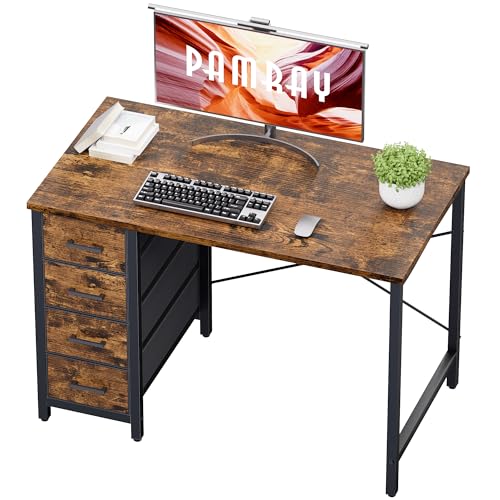
Pamray 32 Inch Computer Desk with 4 Drawers Small Office Desk for Home Bedroom Study Writing Simple Modern Computer Table Vintage

Vintage Solid Wood Writing Desk - 31.5" Mid Century Modern Desk with Drawer, Small Wooden Computer Desks for Home Office, Secretary Desks, Traditional Vanity Dressing Table for Bedroom, Walnut
Caring for Your Small Antique Desk
Proper care will ensure your small antique desk remains beautiful and functional for generations. Here are some essential care tips:
- Cleaning: Dust regularly with a soft, lint-free cloth. Avoid using water or commercial furniture polishes that contain silicone, which can damage the finish. Use a specialized antique wood cleaner and polish sparingly.
- Protection: Use coasters, placemats, or a desk mat to protect the surface from spills, heat, and scratches. Avoid placing hot or wet items directly on the wood.
- Humidity & Temperature: Keep the desk away from direct sunlight, radiators, and air conditioning vents to prevent drying, cracking, and fading of the wood and finish.
- Repairs: For minor scratches, consider using a tinted wax stick or a professional touch-up marker. For significant restoration, consult an antique furniture restorer. If you are interested in DIY fixes, check out our guide on how to repair desk scratches.
In Summary: A small antique desk is a timeless investment that combines history, craftsmanship, and beauty. Whether you're drawn to the ornate details of a Victorian piece, the clean lines of Art Deco, or the warm simplicity of a farmhouse table, there's a perfect antique desk waiting for you. By understanding the styles, materials, and care requirements, you can confidently find a piece that will inspire you for years to come.
Start your search today and bring a piece of history into your home office. And remember, for more expert desk guides, from small writing desks to standing desks, All About Desks is your ultimate resource.