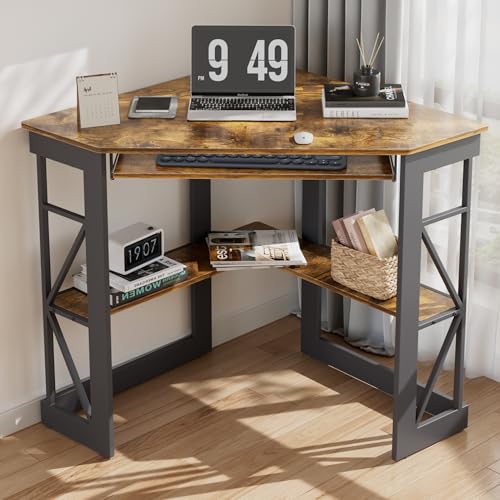
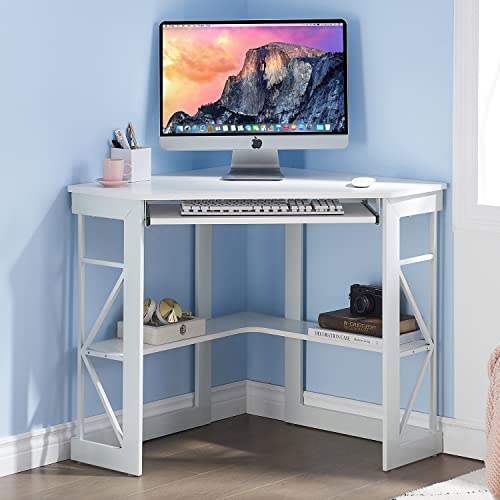
Small Corner Computer Desk with Keyboard Tray
Maximize your workspace with a compact corner desk featuring a pull-out keyboard tray. Expert guide to choosing the perfect space-saving solution for your home office.
SHOP RECOMMENDED DESKSWhy Choose a Small Corner Computer Desk with Keyboard Tray? Corner desks are the ultimate space-saving solution for home offices, maximizing unused corners while providing ample workspace. Adding a keyboard tray creates an ergonomic typing position, reduces wrist strain, and keeps your main surface clutter-free. Whether you're working with a small bedroom, a studio apartment, or just want to optimize your home office layout, this guide covers everything you need to know.
At a Glance: Key Specifications
Why Choose a Corner Desk with Keyboard Tray?
A small corner computer desk with keyboard tray offers the perfect blend of space efficiency and ergonomic comfort. Corner desks utilize otherwise wasted space, making them ideal for small home offices, bedrooms, and studio apartments. The integrated keyboard tray elevates your ergonomic setup by positioning your keyboard and mouse at the optimal height for typing, reducing strain on your wrists, shoulders, and neck.
Unlike standard rectangular desks, a corner desk provides a larger usable surface area within a smaller footprint. The L-shape design creates a natural division between your primary work zone and peripheral areas for monitors, documents, or personal items. When paired with a keyboard drawer, you can maintain a clean, organized workspace while enjoying the ergonomic benefits of proper typing posture.
Essential Features to Consider
1. Dimensions and Space Requirements
Before purchasing a small corner computer desk with keyboard tray, measure your available corner space carefully. Most compact corner desks range from 36 to 48 inches on each side. Consider the depth of the desk as well – standard depths are 20–24 inches, which comfortably accommodates most monitors and peripherals. The keyboard tray typically adds an extra 4–6 inches of depth when pulled out, so ensure you have adequate clearance in front of the desk.
For tight spaces, look for a small L-shaped desk for small space configurations that maximize every inch of available area. Some models feature a space-saving design where one side is shorter, allowing the desk to fit into even the most compact corners.
2. Keyboard Tray Quality and Adjustability
The keyboard tray is the defining feature of this desk type. High-quality trays feature smooth, ball-bearing slides that extend fully and hold weight securely. Look for trays with adjustable tilt and height settings, allowing you to fine-tune the typing angle to suit your ergonomic needs. A wrist rest pad can add extra comfort during long typing sessions. Ensure the tray is wide enough to accommodate both your keyboard and mouse comfortably – 24 to 32 inches is the ideal range.
For more ergonomic options, consider a small standing desk with keyboard tray that allows you to alternate between sitting and standing throughout the day for improved health and productivity.
3. Material and Build Quality
The materials used in your corner desk determine its durability, appearance, and maintenance needs. Here are the most common options:
- Solid Wood: Offers the best durability and aesthetic appeal. Options like oak, walnut, and maple provide a premium look and can last decades with proper care. Ideal for a permanent home office setup.
- Engineered Wood (MDF/Plywood): More affordable while still providing good stability. Often finished with laminates or veneers that mimic natural wood grain. Look for high-density MDF for better weight capacity and durability.
- Laminate: Durable and resistant to scratches and stains. Available in various colors and finishes, making it easy to match your room decor. Budget-friendly and low-maintenance.
- Metal Frames: Steel frames provide excellent stability and support. Look for powder-coated finishes that resist rust and scratches. A sturdy frame is essential for desks with adjustable features.
For those who prefer a classic look with modern functionality, a solid wood computer desk with keyboard tray combines traditional craftsmanship with contemporary ergonomic needs.
4. Storage and Organization
Maximize your workspace efficiency with integrated storage solutions. Many corner desks include built-in drawers, shelves, or cubbies that help keep your workspace organized. Consider what you need to store:
- File Drawers: Perfect for keeping important documents organized and easily accessible.
- Open Shelves: Great for displaying books, plants, or frequently used reference materials.
- Cable Management: Look for desks with built-in cable management features like grommets, wire trays, or hidden compartments.
- Monitor Stands: Some desks include a raised monitor shelf that helps position your screen at eye level.
For additional storage space, consider a small corner computer desk with storage that combines workspace with efficient organization solutions.
Pros and Cons of Small Corner Desks with Keyboard Trays
✅ Advantages
- Maximizes unused corner space
- Ergonomic keyboard positioning reduces wrist strain
- Keeps main surface clutter-free
- Ideal for small apartments and bedrooms
- Creates a defined, productive workspace
- Available in various styles and materials
❌ Considerations
- Limited space for large monitors or dual-screen setups
- May feel cramped for users over 6 feet tall
- Corner placement can limit natural light exposure
- More complex assembly than standard desks
- Limited legroom for taller individuals
Price Guide and What to Expect
The cost of a small corner computer desk with keyboard tray varies widely based on materials, brand, and features. Here's what you can expect in different price ranges:
| Price Range | What You Get | Best For |
|---|---|---|
| $150–$300 | Basic engineered wood or laminate construction, simple keyboard tray, standard finishes, limited storage options | Students, temporary setups, budget-conscious buyers, guest rooms |
| $300–$600 | Higher-quality engineered wood, smooth sliding keyboard trays, better finishes, some storage options, improved stability | Home offices, regular use, small business owners, remote workers |
| $600–$900+ | Solid wood construction, premium finishes, heavy-duty keyboard trays, extensive storage, professional-grade durability | Permanent home offices, professionals, long-term investment, executive setups |
For a more versatile workspace option that combines the benefits of a corner desk with the health advantages of a standing desk, explore a sit to stand desk with keyboard tray that allows you to easily transition between sitting and standing throughout the day.
Comparison: Corner Desk vs Standard Rectangular Desk
| Feature | Small Corner Desk | Standard Rectangular Desk |
|---|---|---|
| Space Efficiency | ✓ Excellent – uses dead corner space | ✗ Requires dedicated floor space |
| Usable Surface Area | ✓ Larger effective area in smaller footprint | ✗ Limited to width of desk |
| Ergonomics | ✓ Better keyboard tray integration | ✗ May require separate keyboard tray |
| Fits Small Rooms | ✓ Perfect for tight spaces | ✗ Often too wide for small rooms |
| Design Flexibility | ✗ Limited to corner placement | ✓ Can be placed anywhere |
| Multi-Monitor Setup | ✗ Limited space for multiple monitors | ✓ Better for dual/triple monitor setups |
Installation and Setup Tips
Proper assembly and setup are crucial for getting the most out of your small corner computer desk with keyboard tray. Here are some expert tips:
- Assemble in the room where it will be used – Corner desks are bulky and difficult to move once assembled.
- Check the corner angle – Most rooms have 90-degree corners, but occasionally walls are slightly out of square. Have a square handy to check.
- Install the keyboard tray at the correct height – The tray should be positioned so your elbows are at a 90-degree angle when typing.
- Route cables before securing the desk – Plan your cable management strategy and route all cables before final assembly.
- Level the desk – Use adjustable feet or shims to ensure the desk is perfectly level, especially important for keyboard tray operation.
- Consider wall mounting – Some corner desks can be wall-mounted for additional stability and to free up floor space.
If you need a more flexible workspace solution that can adapt to different room configurations, consider a small L-shaped desk for home office that offers similar space-saving benefits with more configuration options.
Frequently Asked Questions
❓ What is the ideal desk height for a keyboard tray?
The ideal keyboard tray height positions your elbows at a 90-degree angle with your forearms parallel to the floor. Most desks place the keyboard tray at approximately 25–28 inches from the floor. Adjustable trays allow you to fine-tune this height for your specific body type.
❓ Can I use a corner desk with a dual monitor setup?
While small corner desks are primarily designed for single monitor setups, some models can accommodate two smaller monitors (24-inch or less). Consider using a monitor arm to free up desk surface area and position screens more effectively. For larger monitors, look for a desk with additional depth or a separate monitor arm solution.
❓ What size keyboard tray do I need?
Standard full-size keyboards are approximately 18 inches wide. The keyboard tray should be at least 24 inches wide to accommodate both the keyboard and a mouse comfortably. If you use a full-size keyboard with a number pad, or a gaming keyboard with macro keys, consider a tray that's 28–32 inches wide.
❓ Is a corner desk with keyboard tray suitable for gaming?
Yes, many gamers prefer corner desks for the immersive feel and efficient use of space. Look for desks with robust construction, generous keyboard tray space for gaming keyboards, and cable management features to keep your gaming setup organized. Some models include integrated RGB lighting for the complete gaming experience.
Final Buying Recommendations
When choosing your small corner computer desk with keyboard tray, consider these final tips:
- Measure your space carefully – Both the desk footprint and the required clearance for the keyboard tray when extended.
- Prioritize quality over price – A well-built desk will last for years and provide better ergonomic benefits.
- Choose materials that match your style – The desk is a major visual element in your room, select finishes that complement your existing décor.
- Consider future needs – Will you need more storage? A bigger monitor? Plan for potential upgrades.
- Read reviews – Pay attention to user feedback about assembly difficulty, stability, and keyboard tray smoothness.
For those who need a more comprehensive solution, a small L-shaped computer desk with keyboard tray offers similar benefits with the added flexibility of a true L-shape configuration that can fit in either corner or along a wall.
🎯 Ready to Choose Your Desk? Browse our curated selection of the best small corner computer desks with keyboard trays below. Each product has been carefully selected based on quality, value, and user reviews to help you find the perfect workspace solution.