Small Desk Chair with Wheels and Arms: The Ultimate Buyer's Guide
Find the perfect compact, ergonomic chair for your workspace. Learn what to look for, compare top features, and choose the right chair for your comfort and productivity.
SEE TOP PICKSWhy This Guide Matters: A great desk chair is the cornerstone of a productive workspace, especially in a compact setup. The small desk chair with wheels and arms is engineered to provide essential support without taking up valuable floor space. This guide explores everything you need to know — from ergonomics and adjustability to materials and top recommendations — so you can make a confident purchase.
What Makes a Great Small Desk Chair with Wheels and Arms?
Choosing the right chair for a small desk setup requires careful consideration of several key factors. Unlike standard office chairs, a small desk chair must balance compact dimensions with full functionality, comfort, and durability.
1. Ergonomic Support & Comfort
Even in a small space, your chair must support your body to prevent back pain and fatigue. Look for chairs with adjustable lumbar support, a contoured seat, and, of course, arms that support your forearms while typing or mousing. A chair with proper sitting posture features can significantly improve your daily comfort and long-term health.
2. Mobility with Wheels (Casters)
The wheels on your chair are not just for moving around; they're an integral part of your workflow. A desk chair with wheels allows you to glide between tasks, reach different parts of your desk, and save energy. For a small space, consider locking casters or wheels that are gentle on your flooring. If you have carpet, larger wheels or a plastic carpet protector can ensure smooth movement.
3. The Importance of Adjustable Arms
Armrests are a critical feature for reducing strain on your shoulders and neck. The best desk chair with arms offers adjustable height and width so you can position them to suit your body. This allows your elbows to rest comfortably at a 90-degree angle, promoting a relaxed and efficient posture at your desk.
4. Size and Proportions for a Small Setup
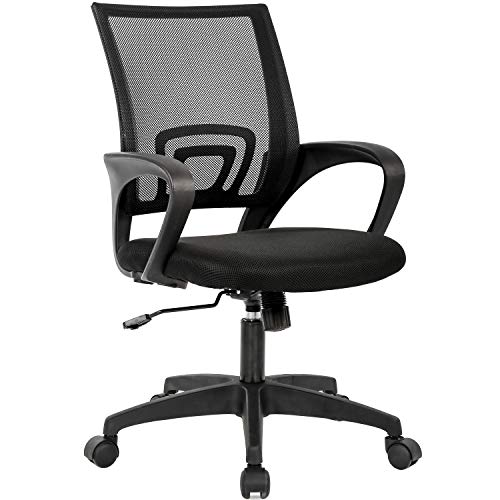
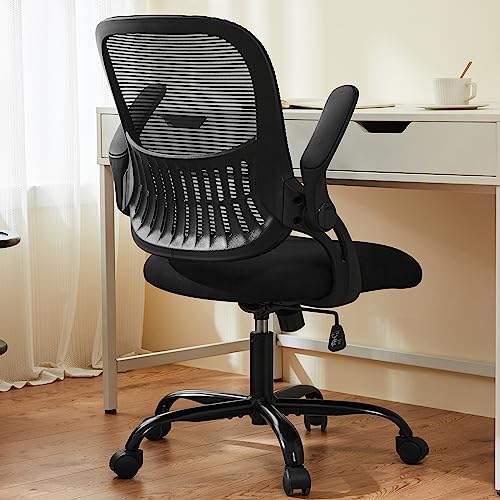
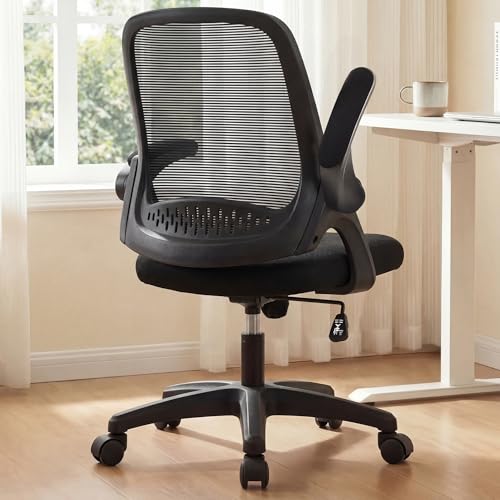
A small desk chair is defined by its compact footprint. You need a chair that fits under your desk when not in use and doesn't overwhelm the space. Look for a seat width of around 18-20 inches and a backrest that doesn't extend too high, making it ideal for a small home office desk and chair set.
5. Materials and Durability
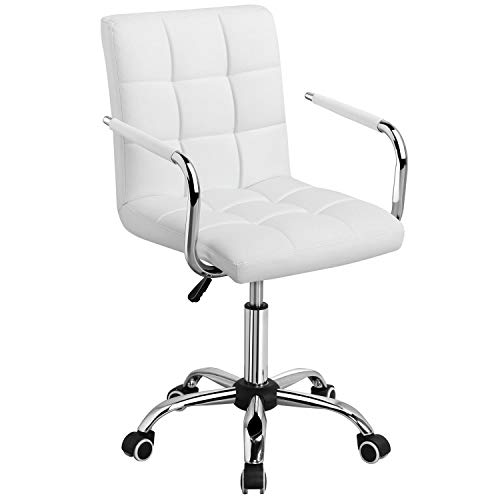
The materials of your chair affect its longevity, comfort, and aesthetic. Mesh backs offer breathability, while padded fabric or leather options provide a more plush feel. Consider a durable frame, often made from metal or high-grade nylon, to ensure your chair stands the test of time. For a cohesive look, consider a small white desk with drawers for bedroom paired with a matching light-colored chair.
Ultimately, the right chair is an investment in your health and productivity. When shopping, don't just look at the price—consider the value it brings to your daily work life. A chair that fits well and provides proper support can help you focus better and enjoy your workspace more. Pairing a great chair with a small L-shaped desk for home office can create a highly functional and efficient work area.
Key Features to Consider
🔹 Adjustable Height
Ensure the pneumatic or gas lift mechanism allows you to raise or lower the seat so your feet rest flat on the floor, with thighs parallel to the ground.
🔹 Lumbar Support
Built-in or adjustable lumbar support helps maintain the natural curve of your spine, preventing lower back pain during long work sessions.
🔹 Armrest Adjustability
Look for arms that can be adjusted in height and width. This allows you to position them to support your arms without causing shoulder strain.
🔹 Tilt Tension & Lock
Adjustable tilt tension lets you control the rocking motion, while a tilt lock keeps the chair in your preferred angle for a more stable seating position.
🔹 Smooth-Rolling Casters
High-quality casters ensure easy movement. Consider the type of floor you have—hardwood floors need softer wheels to avoid scratches.
🔹 Compact & Ergonomic Design
A chair with a waterfall edge seat reduces pressure on the back of your legs, and a contoured back provides support in a smaller package.
Comparison of Small Desk Chair Types
Different types of chairs cater to different needs. Here’s a quick comparison to help you decide which style suits your small office best.
| Chair Type | Best For | Key Features | Pros | Cons |
|---|---|---|---|---|
| Ergonomic Task Chair | All-day office work | Adjustable arms, lumbar support, contoured seat | Excellent posture support, high adjustability | Can be more expensive |
| Mesh Back Chair | Warmer climates, breathability | Breathable mesh back, basic adjustments | Stays cool, lightweight | Less padding, may not suit all styles |
| Gaming/Executive Style | Extended use, aesthetic preference | High back, plush padding, often more durable | Very comfortable, stylish | Larger footprint, may not be truly compact |
| Basic/Student Chair | Occasional use, tight budget | Fixed or limited adjustments, simple design | Affordable, lightweight | Minimal support, may be less durable |
Frequently Asked Questions
The "best" chair depends on your individual needs, budget, and body type. Look for a chair with adjustable features (height, arms, lumbar) and a seat width that fits your space. Popular choices include ergonomic task chairs from brands like Herman Miller, Steelcase, and Serta, as well as more budget-friendly options from AmazonBasics and Hbada. Always read reviews to ensure durability and comfort.
First, measure your desk height and the space underneath it to ensure the chair can fit. Look for a chair with a "compact" or "small" footprint. Prioritize adjustability so you can find a comfortable posture despite the smaller size. Also, consider a chair with a rolling desk chair with locking wheels to keep your chair in place when you want it to stay put.
Yes, armrests are very important for reducing neck and shoulder strain. They allow your forearms to rest comfortably while typing, which prevents you from hunching your shoulders. When choosing a desk chair with arms, prioritize those with adjustable height and width for the best ergonomic fit.
For carpets, you'll want larger, wider wheels (often called "carpet casters") that can roll more easily over the thick pile. Soft PU (polyurethane) wheels are a good choice as they are durable and protect the carpet fibers. A plastic carpet protector can also help your chair roll more smoothly and protect your carpet from damage.
Prices can vary widely. For a quality small desk chair with wheels and arms, expect to spend between $150 and $500. A budget of around $200-$300 will typically get you a chair with good ergonomic features and a decent build quality. While you can find chairs under $100, they often lack crucial adjustability and long-term durability.
Ready to Find Your Perfect Chair?
Check out our top recommendations below. Click on any product to see the latest price on Amazon.
SHOP NOW