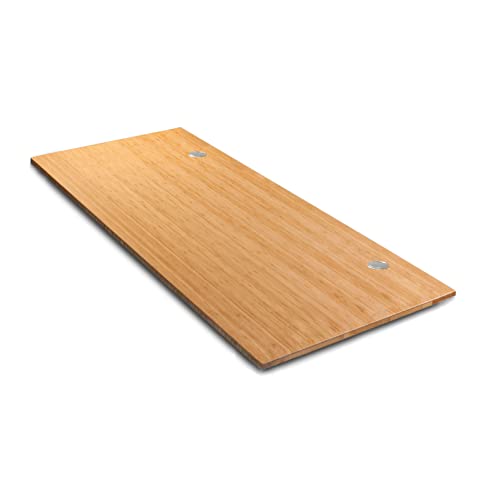
Why Choose a Solid Wood Desk Top?
A solid wood desk top is more than just a surface—it's an investment in quality, longevity, and aesthetic appeal. Unlike veneer or laminate, solid wood can be refinished multiple times, develops a rich patina over time, and offers unmatched strength. Whether you're setting up a home office, a professional workspace, or a creative studio, a solid wood office desk provides a warm, natural foundation that elevates any room.
When you choose a solid wood desk top, you're getting a piece of nature that's built to last. The natural grain patterns, subtle color variations, and tactile warmth create an inviting work environment that inspires productivity.
Types of Wood for Desk Tops
Different wood species offer distinct characteristics in terms of hardness, grain, color, and price. Here's a breakdown of the most popular options:
| Wood Type | Hardness (Janka) | Color | Grain | Price Range |
|---|---|---|---|---|
| Oak | 1,290 | Light to medium brown | Prominent, open grain | $800–$2,500 |
| Walnut | 1,010 | Rich dark brown | Straight, sometimes wavy | $1,200–$3,500 |
| Maple | 1,450 | Pale cream to light brown | Fine, subtle | $900–$2,200 |
| Cherry | 950 | Rich reddish-brown | Fine, straight | $1,000–$2,800 |
| Teak | 1,155 | Golden to dark brown | Straight, sometimes mottled | $1,500–$4,000+ |
Thickness & Construction Matters
The thickness of your desk top affects both durability and visual presence. Standard thicknesses range from 1 inch to 2 inches or more. A thicker top (1.5–2 inches) provides a substantial, premium feel and better resistance to warping. For a natural wood desk, look for kiln-dried lumber with a stable core to minimize movement over time.
Edge profiles also influence the look: square edges offer a modern, clean line; beveled edges add a touch of elegance; and live edges preserve the organic shape of the tree for a rustic, one-of-a-kind piece.
Finishes and Protection
To protect your desk top from spills, scratches, and daily wear, a quality finish is essential. Common options include:
- Oil-based polyurethane – durable, water-resistant, ambering over time.
- Water-based polyurethane – clear, low odor, excellent clarity.
- Hard wax oil – natural look, easy to repair, low sheen.
- Shellac or varnish – traditional, warm finish, less durable.
For daily maintenance, a simple dusting and occasional application of a quality wood cleaner will keep your solid wood L-shaped desk or any desk top looking pristine for decades.
How to Choose the Right Size and Shape
Your desk top should fit your space and workflow. Consider the following:
- Length: At least 48 inches for a single monitor setup; 60+ inches for dual monitors or multiple devices.
- Depth: 24–30 inches is standard; deeper (30–36 inches) if you use a large monitor or need extra surface area.
- Shape: Rectangular is most common, but you can also opt for a corner desk with bookshelf or a custom shape if you have a specific layout in mind.
🔍 Not sure which size is right for you? Read our comprehensive guide on ergonomic desk height to ensure a comfortable and healthy workspace.
Solid Wood vs. Other Materials
While solid wood is a premium choice, it's worth comparing it to alternatives:
- Veneer: More affordable, but cannot be refinished and may peel over time.
- Laminate: Very durable and stain-resistant, but lacks the warmth and character of real wood.
- Metal/Glass: Modern and sleek, but can feel cold and show fingerprints easily.
For those who value craftsmanship and longevity, a solid wood desk top is the clear winner. It's a surface that grows more beautiful with age and can be passed down to future generations.
Care and Maintenance Tips
To keep your desk top in top condition:
- Use coasters and mats to prevent water rings and heat damage.
- Clean with a soft, damp cloth and dry immediately.
- Avoid harsh chemicals or abrasive cleaners.
- Apply a fresh coat of finish or oil every 1–2 years, depending on use.
If scratches or dents occur, many minor imperfections can be sanded out and refinished, restoring your desk to its original glory. This is one of the greatest advantages of a solid wood executive desk — it's built to be repaired and rejuvenated.
Final Thoughts
A solid wood desk top is a statement piece that combines function, artistry, and sustainability. Whether you prefer the bold grain of oak, the rich depth of walnut, or the warm glow of cherry, there's a wood type to match your style and budget. By investing in quality materials and proper care, you'll enjoy a work surface that inspires and endures.
Ready to find your perfect desk? Browse our recommended solid wood desk tops below, each selected for quality, craftsmanship, and value.