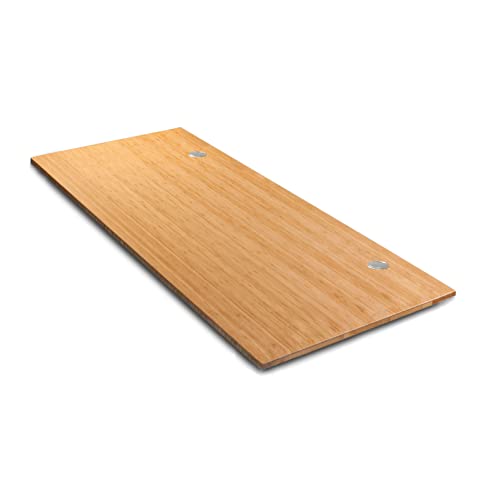
Solid Wood Desktop – The Ultimate Surface for Your Workspace
Discover the beauty, durability, and warmth of a solid wood desktop. From classic oak to rich walnut, find the perfect wood surface that transforms your desk into a timeless centerpiece.
Explore Wood TypesA solid wood desktop is more than just a workspace surface – it's a statement of quality, craftsmanship, and enduring style. Whether you're setting up a home office desk, a writing desk, or a gaming desk, the desktop you choose defines the entire experience. Solid wood offers unmatched durability, natural beauty, and the ability to age gracefully, developing a unique patina over time.
Unlike engineered materials, a solid wood desktop can be sanded, refinished, and repaired, making it a lifelong investment. In this guide, we'll walk you through the most popular wood species, their characteristics, pricing, and maintenance tips – so you can confidently choose the perfect surface for your dream desk.
Why Choose a Solid Wood Desktop?
Durability
Solid wood withstands daily use, resists scratches, and can be refinished multiple times.
Aesthetic & Warmth
Each piece has unique grain patterns, adding natural beauty and a warm feel to any room.
Long-Term Value
A well-maintained wood desktop can last decades and even increase in value.
Popular Solid Wood Species for Desktops
Oak
Classic, strong, and versatile. Oak offers prominent grain and excellent durability. Ideal for traditional and modern desks.
$800–$2,200Walnut
Rich, dark chocolate tones with straight grain. Walnut is prized for its elegance and is a top choice for executive desks.
$1,200–$2,800Maple
Light, creamy color with subtle grain. Hard and resistant to wear, perfect for bright, airy office spaces.
$700–$1,900Cherry
Warm, reddish-brown that deepens with age. Cherry is smooth and develops a rich patina over time.
$900–$2,400Bamboo
Sustainable, lightweight, and eco-friendly. Bamboo has a unique linear grain and is highly moisture-resistant.
$500–$1,500Reclaimed Wood
Eco-friendly and full of character. Reclaimed wood tells a story with nail holes, patina, and varied grain.
$1,000–$3,000+How to Choose the Right Solid Wood Desktop
1. Measure Your Space: Consider the dimensions of your room and the standard desk sizes that fit. A solid wood desktop can be custom-cut, but standard sizes (48", 60", 72") are readily available.
2. Choose Your Wood Species: Each wood type has unique hardness, grain, and color. For heavy daily use, oak and maple are excellent. For a luxurious feel, walnut and cherry are top picks.
3. Thickness Matters: Most solid wood desktops are 1.5" to 2" thick. Thicker surfaces feel more substantial and are less prone to warping.
4. Finish & Sealing: Opt for a clear polyurethane or oil-based finish for protection. For a natural look, consider a hard wax oil that enhances the wood's texture.
5. Consider Your Desk Frame: Ensure your desk frame or legs can support the weight of a solid wood top, especially for larger sizes.
Caring for Your Solid Wood Desktop
- ✔ Dust regularly – Use a soft, dry cloth to remove dust and prevent scratches.
- ✔ Clean spills immediately – Use a damp cloth and dry thoroughly to avoid water rings.
- ✔ Use coasters and mats – Protect the surface from heat, moisture, and scratches.
- ✔ Refinish when needed – Lightly sand and reapply finish to restore the original beauty.
Ready to upgrade your workspace? Explore our curated selection of premium solid wood desktops and find the perfect surface that combines natural beauty with lasting durability.
Whether you're looking for a solid wood writing desk, a solid wood L-shaped desk, or a solid wood desk with drawers, the desktop is the heart of your workspace. Choose wisely, and it will serve you for a lifetime.