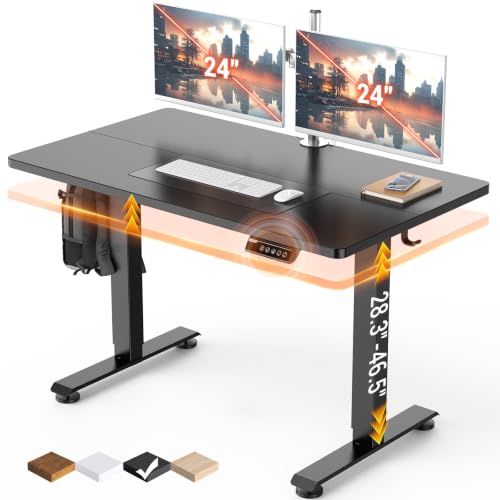
Standing Desk Guide: Your Path to a Healthier Workday
Discover the benefits, top models, and expert tips for choosing and using a standing desk. Transform your workspace and your health today.
Why Choose a Standing Desk?
Standing desks, also known as stand up desks, have become essential for modern workspaces. They offer a dynamic way to work, reducing the health risks associated with prolonged sitting. By alternating between sitting and standing, you can improve posture, boost energy, and increase overall well-being.
Studies show that using a sit stand desk can lower back pain, improve circulation, and enhance productivity. Whether you're working from home or in an office, a standing desk is an investment in your long-term health.
For those on a budget, stand up desk converter options allow you to transform your existing desk without replacing it entirely. For new setups, explore desks for sale to find the perfect match for your space.
Key Health Benefits
- Reduces Back Pain: Alternating postures relieves pressure on your spine.
- Boosts Energy: Standing increases blood flow and reduces fatigue.
- Improves Posture: Encourages a more natural alignment of the neck and shoulders.
- Burns More Calories: Standing burns more calories than sitting over time.
- Enhances Mood: Reduces stress and improves overall mental well-being.
To maximize benefits, combine standing with proper sitting posture and regular movement breaks. Learn more about desk height calculator to find your perfect ergonomic setup.
What to Look For in a Standing Desk
Height Range
Ensure it accommodates your height. Standard range is 22" to 48".
Lift Mechanism
Electric, pneumatic, or manual? Electric offers smooth transitions.
Stability
Look for a sturdy frame to prevent wobbling at higher settings.
Weight Capacity
Check the max load for monitors, laptops, and accessories.
Choosing the Best Standing Desk for Your Needs
Selecting the right standing desk depends on your workspace, budget, and lifestyle. Here are the main types to consider:
- Electric Standing Desks: The most popular choice, offering seamless height adjustment with a push of a button. Perfect for frequent changes.
- Manual Crank Desks: A cost-effective alternative that uses a hand crank. Reliable and durable.
- Pneumatic Desks: Use gas springs for smooth, counterbalanced adjustments. Quick and easy to change heights.
- Desktop Converters: An affordable way to add standing capability to your existing desk without replacing it.
For larger workspaces, consider corner desk setup or L-shaped desk setup options. If space is limited, explore small desk or small computer desk solutions.
When setting up your standing desk, pay attention to monitor placement. Use a monitor arms to achieve the ideal eye level. Also, consider accessories like desk mats and anti fatigue mats for added comfort.
If you're a gamer, check out gamer desk options that combine style with functionality. For a classic look, wooden desk and solid wood desk designs offer timeless appeal.
To complete your workspace, pair your desk with an ergonomic office desk chair for ultimate support during sitting intervals.
Comparison of Popular Standing Desk Types
| Type | Price Range | Ease of Use | Best For |
|---|---|---|---|
| Electric | $400 – $1,200 | ⭐⭐⭐⭐⭐ | Frequent height changes |
| Manual Crank | $200 – $600 | ⭐⭐⭐ | Budget-conscious users |
| Pneumatic | $300 – $800 | ⭐⭐⭐⭐ | Quick adjustments |
| Converter | $100 – $400 | ⭐⭐⭐⭐ | Upgrading existing desks |
Prices are estimates based on current market research and may vary. For the latest deals, explore desks for sale.
Frequently Asked Questions About Standing Desks
What is the ideal height for a standing desk?
The ideal height is when your elbows are at a 90-degree angle and your wrists are straight while typing. Your monitor should be at eye level. Use a desk height calculator for precise measurements.
How long should I stand at a standing desk?
Start with 15–30 minutes per hour, gradually increasing as your body adjusts. A sit stand routine of 50/50 is recommended for optimal health benefits.
Do standing desks really help with back pain?
Yes, many users report significant reduction in back pain. Alternating between sitting and standing reduces pressure on the spine and engages core muscles. Pair with proper sitting posture for best results.
Maximize Your Standing Desk Experience
To get the most out of your standing desk, consider these practical tips:
- Wear Comfortable Shoes: Supportive footwear can make a big difference during long standing sessions.
- Use an Anti-Fatigue Mat: Reduces strain on your feet and legs.
- Move Regularly: Shift your weight, step side to side, and stretch periodically.
- Optimize Your Setup: Ensure your monitor is at eye level and your keyboard is at elbow height. Consider monitor placement guide for more tips.
- Stay Hydrated: Drink water throughout the day to maintain energy and focus.
Integrating these habits will help you transition smoothly to a standing desk lifestyle and reap the full health benefits.