
Wood Standing Desk: The Natural Choice for Health & Style
Elevate your workspace with a wood standing desk. Experience the warmth of natural wood combined with the wellness benefits of sit-stand working. Discover solid oak, bamboo, walnut, and more.
Explore Top Wood Standing Desks →All About Desks knows that your desk is the heart of your workspace. A wood standing desk combines the timeless beauty of natural timber with the ergonomic benefits of height adjustability. Whether you choose solid oak, sleek bamboo, or rich walnut, a wooden sit-stand desk brings warmth, durability, and a touch of nature to your home office. Our comprehensive guide helps you select the perfect wood standing desk that fits your style, budget, and wellness goals.
Why Choose a Wood Standing Desk?
🌳 Natural Aesthetics
Wood adds warmth, texture, and timeless elegance. Each desk has unique grain patterns, making your workspace truly one-of-a-kind. A wood office desk creates a calming, productive atmosphere.
💪 Health & Wellness
Alternate between sitting and standing to reduce back pain, improve circulation, and boost energy. A adjustable standing sitting desk encourages movement throughout your workday.
🔨 Durability & Longevity
Solid wood desks are built to last. With proper care, they can outlive multiple office chairs and electronic devices. A wood top desk is an investment in your productivity.
♻️ Sustainable Choice
Many wood standing desks use FSC-certified timber or rapidly renewable bamboo, making them an eco-friendly choice for the environmentally conscious worker.
Wood Types Compared: Which is Right for You?
| Wood Type | Durability | Grain Pattern | Price Range |
|---|---|---|---|
| Solid Oak | Very high, scratch-resistant | Prominent, classic | $900 – $2,500 |
| Walnut | High, rich color | Straight to wavy | $1,200 – $3,500 |
| Bamboo | High, eco-friendly | Subtle, modern | $600 – $1,800 |
| Maple | High, pale tone | Fine, uniform | $800 – $2,200 |
✅ Advantages of Wood Standing Desks
- Timeless, natural aesthetic that matches any decor
- Excellent durability and longevity
- Scratches can be sanded and refinished
- Adds warmth and reduces stress
- Increases home office resale value
⚠️ Considerations
- Heavier than engineered wood or metal desks
- Requires periodic conditioning and care
- Higher initial cost than laminate
- Susceptible to moisture and heat damage if not sealed
How to Choose the Best Wood Standing Desk
1. Height Range & Motor
Look for a height range that accommodates your sitting and standing positions. Dual-motor electric standing desks offer smoother, quieter operation and higher weight capacity.
2. Wood Type & Finish
Choose a wood that matches your style. Oak for a traditional look, walnut for luxury, or bamboo for a modern, sustainable vibe. Consider pre-finished or unfinished to customize.
3. Weight Capacity & Stability
Ensure the desk can support your monitor setup, laptop, and accessories. Look for sturdy steel frames and crossbars to minimize wobble at standing height.
4. Assembly & Warranty
Check if assembly is required and if the desk includes tools. A solid warranty (5+ years) indicates confidence in the product’s build quality.
Further Reading
Explore our expert guides on wood desks for home office, wood corner desk setups, and wood computer desk options. For smaller spaces, consider a wall mounted desk or a white standing desk if you prefer a lighter palette. If you're on a budget, our budget standing desks guide offers great alternatives.
Top-Rated Wood Standing Desks
⚠️ AFFILIATE DISCLOSURE: This website contains affiliate links. As an Amazon Associate, we earn from qualifying purchases. If you make a purchase through these links, we may receive a small commission at no additional cost to you. Read our full affiliate policy.

FEZIBO Standing Desk 48 × 24 Inch Electric Height Adjustable, Maple

Veken 63"x28" Wider Large Standing Desk, Electric Height Adjustable, Brown

Henstatech 55" Wood Electric Standing Desk with Drawers and Storage Shelves

SEDETA 55.1" Farmhouse Executive Electric Standing Desk with 3 Drawers

Curlaky Electric Standing Desk with Drawers - 70" Adjustable Computer Desk
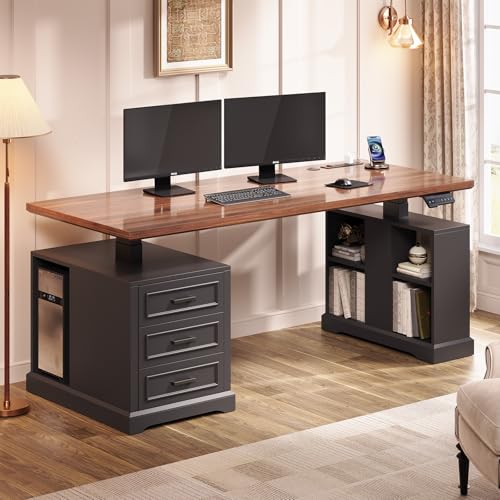
SEDETA 63" Farmhouse Electric Standing Desk with 3 Drawers, Storage Shelves
Disclaimer
All About Desks provides educational content only. Not a substitute for professional ergonomist or interior designer services. Always consult a qualified professional for major structural or electrical work involving your desk. Some content may use AI. We are not responsible for product defects, injuries, or outcomes related to desk use. By using this site, you accept these terms. If you do not agree, please leave this website and discontinue its use. Read full disclaimer.