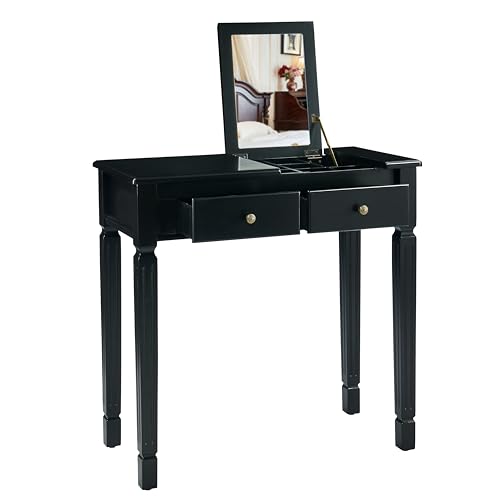
Antique Writing Desk with Flip Top
Discover the timeless elegance and practicality of flip-top writing desks. From Victorian-era secrets to modern vintage revivals, learn everything you need to choose, style, and buy the perfect piece for your workspace.
Why an Antique Writing Desk with Flip Top? Also known as a drop-front or fall-front desk, this classic design offers a clever balance of style and function. The hinged top reveals a spacious writing surface and often hidden compartments, making it ideal for home offices, studies, or living rooms. Whether you're a collector, a remote worker, or simply love vintage charm, this desk is a conversation piece that works as hard as you do.
What Is a Flip-Top Writing Desk?
A flip-top writing desk features a hinged desktop that lifts upward and forward, transforming a compact cabinet or chest into a generous workspace. When closed, it looks like a handsome piece of furniture—often with drawers, cubbies, or a bookcase above. When open, it provides a stable surface for writing, typing, or creative work. This design has been popular since the 18th century, prized for its space-saving ingenuity and refined aesthetics.
Styles & Historical Periods
Antique flip-top desks come in a variety of styles, each reflecting the craftsmanship and design trends of its era. Understanding these can help you identify authenticity and choose a piece that complements your décor.
Victorian (1837–1901)
Ornate details, rich dark woods like mahogany and walnut, intricate carvings, and often featuring a elaborate bookcase top. These desks exude formality and grandeur.
Edwardian (1901–1910)
Lighter woods like oak and satinwood, simpler lines, and inlaid marquetry. Less ornate than Victorian, with a more refined and airy feel.
Art Deco (1920s–1930s)
Geometric shapes, sleek lines, exotic woods, and bold contrasts. A perfect choice for those who love a vintage-modern fusion.
Mid-Century Modern (1940s–1960s)
Clean, minimalist forms, teak or rosewood, tapered legs, and a focus on function. These desks are highly sought after for contemporary interiors.
Materials & Craftsmanship
The value and durability of an antique flip-top desk depend heavily on its materials and construction. Solid hardwoods like oak, mahogany, cherry, and walnut are hallmarks of quality. Look for dovetail joints, hand-cut details, and original brass hardware. Understanding desk materials is key to making a wise investment. Veneers can be beautiful but may show wear over time; always inspect the condition carefully.
What to Look For When Buying
Whether you're hunting at an estate sale or browsing online, knowing what to examine can save you from costly mistakes. Here are the essential checkpoints.
- Structural Integrity: Check for wobbles, cracks, or water damage. The flip-top mechanism should open and close smoothly without sticking.
- Wood Condition: Look for deep scratches, stains, or sun fading. Minor imperfections can be restored, but major damage might require professional help.
- Hardware: Original brass or iron handles, hinges, and locks add authenticity and value. Ensure they are functional and intact.
- Hidden Compartments: Many flip-top desks have secret drawers or compartments. These add to the charm and fun of ownership.
- Provenance: If possible, ask for any history or documentation. A known maker (like Hepplewhite, Sheraton, or Chippendale) can significantly increase worth.
Value & Pricing Guide
Prices for antique writing desks with flip tops vary widely based on age, condition, rarity, and style. Expect to see a range from $600–$3,500 for a well-preserved piece in good working order. Exceptional examples from renowned makers or with pristine original finishes can exceed $5,000. Always compare with recent sales and, if possible, have an independent appraiser assess high-value pieces.
💡 Price Insight: A genuine Victorian walnut flip-top desk with bookcase in excellent condition typically ranges between $1,200–$2,800. Early 20th-century oak desks are often more affordable, starting around $600, while Art Deco models can fetch $1,000–$2,500. Remember, condition is king—a desk with original hardware and a well-preserved surface commands a premium.
Comparing Desk Styles
| Style | Typical Wood | Key Features | Price Range |
|---|---|---|---|
| Victorian | Mahogany, Walnut | Ornate carvings, bookcase top, brass hardware | $1,200–$3,500 |
| Edwardian | Oak, Satinwood | Inlay, lighter lines, simpler design | $800–$2,200 |
| Art Deco | Exotic woods, Rosewood | Geometric, sleek, bold contrasts | $1,000–$2,800 |
| Mid-Century | Teak, Walnut | Minimalist, tapered legs, functional | $900–$2,500 |
Restoration & Care Tips
Owning an antique desk is a rewarding experience, but it requires mindful care. Here are some practices to preserve its beauty and function.
- Cleaning: Dust regularly with a soft, dry cloth. Use a mild wood cleaner sparingly, and never use silicone-based polishes as they can damage the finish.
- Humidity Control: Keep your desk in a stable environment (40–50% humidity) to prevent wood from cracking or warping.
- Hardware Care: Clean brass or iron with a specialist metal polish, but avoid over-polishing as it can remove the original patina.
- Repairs: For significant damage, consult a professional restorer who specializes in antique furniture. Learn more about desk repair.
Styling Your Flip-Top Desk
An antique writing desk deserves a setting that complements its character. Consider pairing it with a comfortable, classic desk chair. A cross-legged desk chair or a wheeled chair with lumbar support can provide both comfort and style. Accessorize with a vintage desk lamp, a leather blotter, and a few favorite books or a small plant to bring life to the workspace. For those with limited space, consider a compact desk with a drawer alongside your antique piece for extra storage.
Is a Flip-Top Antique Desk Right for You?
If you value craftsmanship, history, and a touch of romance in your workspace, an antique writing desk with flip top is an excellent choice. It offers a unique writing experience, a focal point for any room, and a lasting heirloom quality. Just be sure to inspect it thoroughly, understand its care needs, and enjoy the daily pleasure of writing on a surface with a story.