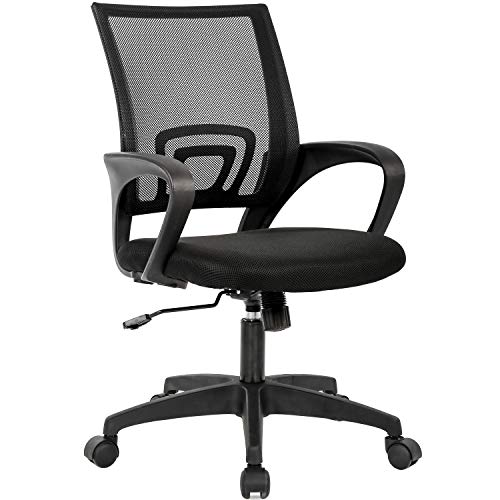
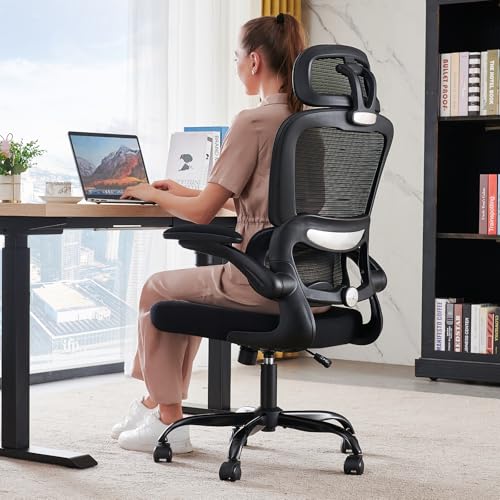
Desk Chairs with Wheels & Lumbar Support
Ergonomic seating that moves with you. Discover the best rolling desk chairs with adjustable lumbar support for all-day comfort, productivity, and back health.
Explore Top Picks ↓A desk chair with wheels and lumbar support is one of the most impactful investments you can make for your workspace. Whether you're working from home, in a corporate office, or setting up a gaming station, the right chair keeps your spine aligned, reduces fatigue, and gives you the mobility to move freely around your desk. But with so many options—mesh vs. leather, adjustable vs. fixed lumbar, basic casters vs. hardwood-friendly wheels—choosing the perfect chair can feel overwhelming.
This guide breaks down everything you need to know: from lumbar support types and wheel materials to seat depth, tilt tension, and weight capacity. By the end, you'll know exactly which features matter most, and you'll be ready to pick a chair that fits your body, your desk setup, and your budget. Let's roll.
Why Lumbar Support Matters: The lower back (lumbar region) naturally curves inward. Without proper support, sitting for hours forces your spine into a C-shape, leading to muscle strain, slouching, and long-term back pain. A chair with adjustable lumbar support helps maintain the natural S-curve of your spine, reducing pressure on vertebrae and discs.
What to Look For in a Rolling Desk Chair
🔹 Adjustable Lumbar
Look for chairs with height-adjustable and depth-adjustable lumbar pads. Some high-end chairs even offer dynamic lumbar that moves with you.
🔹 Wheel Type & Material
Hardwood floors need soft polyurethane casters; carpets work best with larger dual-wheel casters. Some chairs come with rollerblade-style wheels for smoother gliding.
🔹 Seat Depth & Tilt
A seat pan that adjusts forward/backward (depth) supports thighs without cutting off circulation. Tilt tension and lock allow you to recline comfortably while typing.
🔹 Breathable Material
Mesh backs keep you cool during long sessions. Leather or faux leather offers a premium look and is easier to clean but may trap heat.
Lumbar Support Types: Fixed vs. Adjustable
Fixed lumbar support is built into the chair's backrest and cannot be moved. It's common in budget chairs and works if the curve matches your spine's natural arch. However, it's a one-size-fits-all solution that rarely fits all.
Adjustable lumbar support lets you change the height and sometimes the depth (how far the pad pushes into your back). This is the gold standard for ergonomic seating. Many premium chairs also allow you to adjust the tension of the lumbar pad, giving you a custom fit. For most users, adjustable lumbar is worth the extra cost—it's the difference between a chair that "feels okay" and one that truly supports your posture.
If you spend more than 4 hours a day at your desk, prioritize adjustable lumbar. If you're looking for a comfortable desk chair for long hours, this feature is non-negotiable. Also consider ergonomic desk chairs for lower back pain that offer additional lumbar depth control.
Quick Comparison: Lumbar & Wheel Features
| Feature | Budget ($200–$400) | Mid-Range ($400–$700) | Premium ($700+) |
|---|---|---|---|
| Lumbar Support | Fixed / basic adjustable | Height-adjustable | Height + depth + tension adjustable |
| Wheels (Casters) | Standard plastic (hard floors OK) | Dual-wheel PU / rollerblade | Premium rollerblade + floor protection |
| Seat Depth | Fixed | Adjustable (often) | Standard + tilt + slide |
| Material | Fabric / basic mesh | High-breathable mesh / bonded leather | Premium mesh / genuine leather / Alcantara |
| Weight Capacity | Up to 250 lbs | 275–300 lbs | 300–400+ lbs |
Wheels: Not All Casters Are Equal
The wheels on your desk chair determine how easily you move, and more importantly, whether they'll damage your flooring.
- Hardwood floors: Choose soft polyurethane (PU) casters or rollerblade-style wheels. They glide silently and won't scratch or scuff. Avoid hard plastic casters at all costs.
- Carpet (low/medium pile): Larger dual-wheel casters or "carpet casters" with a wider surface area work best. They prevent sinking and make rolling easier.
- High-pile carpet: A desk chair mat for high-pile carpet is essential. Even the best casters can struggle on thick carpet without a mat.
- Tile / hard floors: PU casters are excellent—they're soft, quiet, and won't leave marks. Some chairs also offer brake-lock casters for stability.
If you already have a chair you love but need better wheels, consider swapping them out with desk chair casters for hardwood floors or universal rollerblade wheels. This is a cheap upgrade that transforms the chair's mobility.
Beyond Lumbar: Total Ergonomic Adjustability
A great rolling chair offers more than just lumbar support. Look for these additional adjustment points to truly tailor the chair to your body:
- Seat height – pneumatic gas lift, ideally with a wide range to accommodate different desk heights. Pair with a desk height calculator to find your ideal sitting posture.
- Seat depth (slide) – allows you to adjust the front-to-back position of the seat pan so your thighs are fully supported without pressing against the back of your knees.
- Backrest recline & tilt lock – lets you recline while working and lock the angle, reducing pressure on your spine.
- Armrests (4D adjustable) – height, width, depth, and angle adjustment to support your arms and reduce shoulder strain.
- Headrest (optional) – supports your neck during reclined breaks.
Many of these features are found in comfortable desk chairs with wheels designed for all-day use. If you prefer a stationary chair, you might consider a comfortable desk chair without wheels, but for most offices, the mobility of rolling chairs is a major productivity boost.
Chair Materials: Mesh vs. Leather vs. Fabric
The material affects breathability, durability, cleaning, and overall aesthetics.
- Mesh back – highly breathable, perfect for warm environments. It conforms to your back and provides excellent lumbar support. Many high-end ergonomic chairs use mesh.
- Leather / Faux Leather – looks premium, easy to wipe down, but can trap heat. Better for cooler climates or air-conditioned offices.
- Fabric / Upholstered – offers a soft, classic feel. Available in many colors, but can absorb spills and odors if not treated.
- Hybrid – mesh back + fabric/leather seat – a popular compromise that balances breathability and comfort.
For those who sit for long hours, a mesh-backed chair with adjustable lumbar is often the most comfortable choice. If you're setting up a desk setup with laptop and monitor, a chair that keeps you cool and supported is essential.
Weight Capacity, Build Quality & Warranty
A chair's weight capacity is a direct indicator of its build quality. Chairs with higher weight capacities (300 lbs +) typically use thicker gauge steel in the base, larger gas cylinders, and more durable mechanisms. If you're a larger user, look for chairs specifically rated for your weight – it's not just about safety, but also longevity. Most reputable brands offer 5–10 year warranties on the frame and mechanisms, and 2–5 years on the upholstery. Always check warranty terms before purchasing.
Consider also how the chair fits your desk. If you have a desk with keyboard tray and drawers, ensure the chair's armrests can be adjusted low enough to slide under the desk. A computer desk with a pull-out keyboard tray may also require a chair with a narrower back to avoid hitting the desk sides.
Assembly, Maintenance & Tips
Most desk chairs arrive in a box and require simple assembly (usually attaching the base, seat, backrest, and armrests). It typically takes 15–30 minutes. To extend your chair's life:
- Tighten screws every 6 months – they loosen over time.
- Clean wheels – remove hair and dust that cause sticking.
- Use a chair mat to protect your floor and make rolling easier.
- Avoid sitting on the front edge – this puts extra pressure on the gas cylinder and can cause premature wear.
If you're working in a small space with a drawer desk, consider a chair with a smaller footprint or a desk chair for small spaces without wheels if you don't need mobility. For most users, though, the rolling chair with lumbar support remains the top choice for long-term comfort.
Ready to Find Your Perfect Chair?
Browse our curated selection of the best desk chairs with wheels and lumbar support. Each pick has been vetted for ergonomics, durability, and value.
View Recommended Chairs ↓