Armoire Desk: Complete Guide to Compact Workspace Solutions
Discover how an armoire desk combines a functional workspace with integrated storage, transforming small rooms into productive home offices. Learn about designs, materials, setup strategies, and how to choose the right model for your needs.
EXPLORE DESK TYPESWhat Is an Armoire Desk?
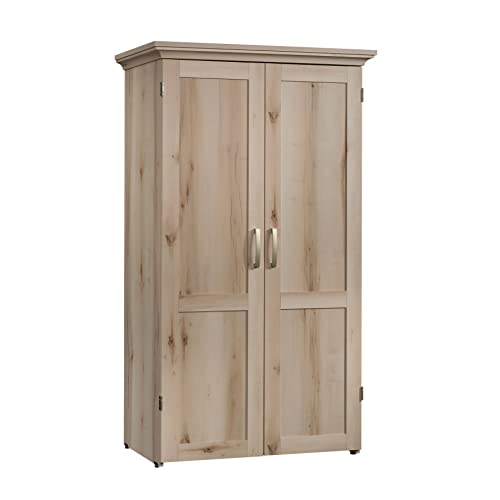
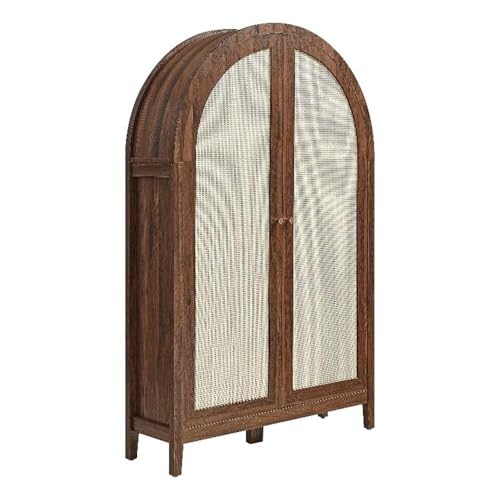
An armoire desk is a hybrid furniture piece that merges a workspace surface with the storage capacity of a traditional armoire or wardrobe. Unlike a standard desk, which occupies permanent floor space and remains visible at all times, an armoire desk is designed with doors that close to conceal the work surface, monitor, and supplies when the workday ends. This makes it an exceptional choice for anyone who needs a functional office but lacks a dedicated room for one.
The concept dates back to the secretary desks and roll-top desks of the 18th and 19th centuries, which also used closing mechanisms to hide paperwork and writing instruments. Modern armoire desks have evolved to accommodate contemporary technology, with models featuring cable management ports, ventilated compartments for electronics, and adjustable shelves for printers and peripherals.
Key Insight: An armoire desk is not simply a desk placed inside a cabinet. True armoire desks are engineered as integrated units where the workspace, storage, and enclosure function together as a cohesive system. This distinction matters when evaluating build quality and long-term usability.
For those exploring broader desk categories, understanding how an armoire desk fits into the wider furniture landscape is helpful. It shares functional DNA with built-in desks and floating wall desks, both of which also prioritize space efficiency, though each approaches the challenge differently.
Why Choose an Armoire Desk?
The decision to invest in an armoire desk typically stems from a combination of space constraints and a desire for a clean, organized living environment. Below are the primary advantages that make this furniture category compelling.
Space Efficiency Without Compromise
In studio apartments, bedrooms, and shared living spaces, floor area is at a premium. An armoire desk occupies a footprint comparable to a wardrobe, yet delivers the functionality of a complete home office. When the doors are closed, the unit blends into the room as a piece of storage furniture, freeing visual and physical space.
Concealment and Clutter Control
One of the most underrated benefits is the ability to close the doors on unfinished projects, tangled cables, and scattered papers. This psychological boundary between work and personal life is especially valuable for remote workers who need to disconnect at the end of the day. The discipline of a tidy, concealed workspace supports better focus and reduces visual noise.
Integrated Storage
Armoire desks typically include drawers, adjustable shelves, letter trays, and compartments designed for office supplies, files, and electronics. This integration eliminates the need for separate filing cabinets or bookcases, which is a significant advantage in rooms where every piece of furniture counts.
Multi-Functional Furniture
Beyond the workspace, an armoire desk can serve as a display cabinet, a linen closet, or a media console when the desk function is not in use. This versatility makes it a long-term investment that adapts to changing needs, from student study station to professional home office.
If you are weighing this option against other compact solutions, our guide to the best desks for small spaces provides a broader comparison of space-saving designs.
Types of Armoire Desks
Armoire desks are not a monolithic category. They vary significantly in mechanism, configuration, and intended use. Understanding these distinctions helps narrow down the right choice for your room and workflow.
Fold-Out Armoire Desks
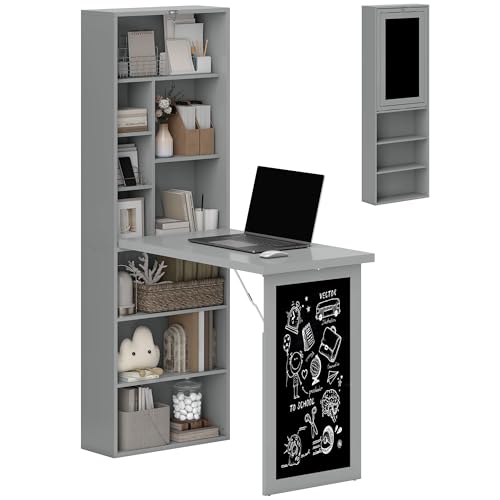
In a fold-out design, the desk surface is hinged to the interior of the cabinet and folds down when needed. When closed, the entire unit resembles a standard wardrobe. This type is ideal for occasional use and rooms where the desk is not required daily, as the setup and breakdown process is slightly more involved. The hinge mechanism should be heavy-duty and rated for repeated cycles.
Pull-Out Armoire Desks
Pull-out models feature a desk surface that slides out on tracks, often with a drawer-style mechanism. These are convenient for daily use because the transition between stored and active states is faster. The trade-off is that the track system must be robust enough to support the weight of a monitor and peripherals without sagging over time.
Fixed-Surface Armoire Desks
Some armoire desks have a permanent work surface inside the cabinet, with doors that open to reveal the workspace. This design offers the greatest stability and is best suited for users who work at the desk every day. The cabinet depth must be sufficient to accommodate a monitor at a comfortable viewing distance, typically at least 24 inches of interior depth.
Secretary-Style Armoire Desks
Drawing inspiration from antique secretary desks, these models feature a drop-front writing surface that folds down from the cabinet body. They often include small drawers and pigeonholes for organization. While the writing surface is typically smaller than a full desk, the compact proportions make them excellent for laptops and writing tasks. For a deeper look at this heritage style, see our guide to the antique secretary desk.
Corner Armoire Desks
Designed to fit into the corner of a room, these units maximize the use of otherwise dead space. They often feature an angled or L-shaped work surface and can be particularly effective in small bedrooms or home offices with irregular layouts.
Materials and Construction
The material of an armoire desk affects its durability, appearance, weight, and long-term performance. Because these units contain moving parts such as hinges, doors, and sometimes sliding mechanisms, the quality of construction is just as important as the surface material.
Solid Wood
Solid wood armoire desks, crafted from oak, maple, walnut, or cherry, represent the upper tier of the market. They offer exceptional durability, the ability to be refinished, and a natural aesthetic that improves with age. The weight of solid wood provides stability, which is important for a piece that includes doors and drawers. However, solid wood is sensitive to humidity fluctuations and requires periodic maintenance. Our guides to oak desks and walnut desks explore the characteristics of these popular hardwoods in more detail.
Engineered Wood
MDF (medium-density fiberboard) and plywood are common in mid-range armoire desks. MDF offers a smooth, uniform surface that takes paint and veneer well, while plywood provides better screw-holding strength and moisture resistance. Engineered wood is generally more dimensionally stable than solid wood, which reduces the risk of doors warping over time. For a deeper comparison, see our guide to MDF desks.
Veneer and Laminate
Veneer and laminate finishes can replicate the look of wood at a more accessible tier. High-quality veneer, applied over a stable core, can be nearly indistinguishable from solid wood. Laminate is highly resistant to scratches and moisture, making it a practical choice for households with children or heavy daily use. The key consideration is the quality of the edge banding, which is often the first point of wear on laminate furniture.
Construction Tip: Regardless of surface material, inspect the quality of hinges, drawer slides, and any folding mechanisms. These hardware components are the most common failure points in armoire desks and are often the difference between a unit that lasts a decade and one that sags within a year.
Size and Space Planning
An armoire desk is only effective if it fits your room and your work habits. Careful measurement before purchase prevents the common pitfall of a unit that is too deep, too tall, or too narrow for its intended use.
Measuring Your Space
- Floor footprint: Measure the width and depth of the area where the armoire desk will stand. Allow clearance for doors to open fully without hitting adjacent furniture or walls.
- Ceiling height: Confirm that the unit's height, including any crown molding or decorative top, clears your ceiling and any wall-mounted fixtures.
- Door swing clearance: Fold-out and hinged-door models require additional floor space in front of the unit when open. A door that swings 90 degrees needs clearance equal to its width.
- Interior depth: For fixed-surface models, verify that the interior depth accommodates your monitor at a comfortable distance. A minimum of 24 inches is recommended for a standard monitor; deeper is better for larger displays.
Standard Dimensions
Armoire desks vary widely, but typical dimensions for a full-size unit are approximately 36 to 48 inches in width, 20 to 24 inches in depth, and 60 to 72 inches in height. Compact models may be as narrow as 30 inches, while larger executive-style units can exceed 60 inches in width. Always prioritize the interior workspace dimensions over the exterior footprint, as a deep cabinet with a shallow desk surface is less useful than a slightly larger unit with a generous work area.
If your room is particularly tight, consider combining an armoire desk with other space-saving strategies. Our article on fitting a bed and desk in a small room offers complementary layout ideas.
Key Features to Look For
When evaluating armoire desks, certain features consistently distinguish well-designed units from compromised ones. Use this checklist to guide your comparison.
Cable Management
Look for pre-drilled grommets, ventilation cutouts, and rear access panels that allow cables to route cleanly from the interior to the exterior. Without these, a closed armoire can become a tangle of cords and a heat trap for electronics. For broader cable organization strategies, see our guide to desk cable management.
Adjustable Shelving
Adjustable shelves allow the interior to adapt to different equipment configurations, from a tall printer to a row of binders. Shelves that lock into place with metal pins are more secure than friction-fit designs.
Ventilation
Electronics generate heat, and a closed cabinet can trap it. Ventilated backs, louvered panels, or gaps around doors help maintain airflow. If the armoire desk will house a desktop computer or charging station, ventilation should be a priority.
Drawer and Door Hardware
Soft-close hinges and full-extension drawer slides are markers of quality construction. They reduce noise, prevent slamming, and extend the life of the furniture. Test the hardware in person if possible, or read reviews that specifically mention long-term durability.
Lighting
Some armoire desks include built-in task lighting or have space for aftermarket LED strips. Because the interior of a closed cabinet can be dim even when open, plan for adequate lighting. Our guide to desk lamps offers options for compact spaces.
Setup and Organization Tips
An armoire desk rewards thoughtful organization. Because the workspace is enclosed, every item needs a designated place, or the unit quickly becomes a catch-all cabinet rather than a functional office.
Zoning the Interior
Divide the interior into zones: an active work zone for the laptop or monitor and keyboard, a storage zone for supplies and files, and a utility zone for chargers, cables, and peripherals. Keep the active work zone free of permanent storage so that setup and breakdown remain quick.
Vertical Organization
Use the height of the cabinet to your advantage. Install a pegboard or magnetic strip on the interior door for small tools, scissors, and pens. Stack letter trays vertically for documents. Our guide to vertical desk storage offers additional ideas for maximizing height.
Lighting and Comfort
A battery-powered or USB-rechargeable LED light bar can illuminate the interior without requiring an external outlet. For seating, choose a compact chair that tucks fully under the desk when the doors are closed. Our article on bedroom desk chairs covers space-conscious options.
Establishing a Routine
The closing of the doors should signal the end of the workday. Develop a brief shutdown routine: save files, put away loose papers, and close the cabinet. This ritual reinforces the boundary between work and rest, which is one of the key psychological benefits of an armoire desk.
Armoire Desk vs. Other Desk Types
Understanding how the armoire desk compares to alternatives helps clarify whether it is the right solution for your situation. The table below summarizes key differences across several desk categories.
| Desk Type | Best For | Space Efficiency | Storage | Concealment |
|---|---|---|---|---|
| Armoire Desk | Small rooms, multi-use spaces, remote workers | High | Integrated | Full |
| Built-In Desk | Permanent home offices, custom layouts | High | Customizable | None |
| Floating Desk | Minimalist bedrooms, visual lightness | Medium | Minimal | None |
| Compact Desk | Students, laptop users, tight corners | High | Limited | None |
| Secretary Desk | Writing, laptops, traditional decor | Medium | Moderate | Partial |
The armoire desk's unique advantage is the combination of full concealment with integrated storage. No other desk type offers both to the same degree. The trade-off is typically a higher initial investment compared to a simple compact desk, and a more involved setup process each time the workspace is opened.
Ready to Find Your Armoire Desk?
Explore our curated selection of armoire desks and compact workspace solutions. Compare features, materials, and configurations to find the perfect fit for your room.
View Recommended Options