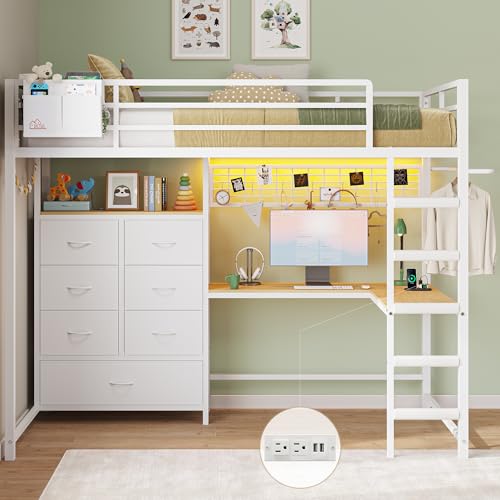
Bunk Beds With Desk Under It: Compact Living Space Guide
Discover how a bunk bed with a desk underneath consolidates sleep, study, and storage into one footprint for small bedrooms, dorms, and studios.
EXPLORE BUNK BED OPTIONSAll About Desks Insight: A bunk bed with a desk underneath uses vertical space instead of floor space. That makes it one of the few setups that fits a full sleep and study zone into a room that could not otherwise hold both.
Why Bunk Beds With a Desk Underneath Work
In small bedrooms, floor space is the limiting resource. A bunk bed with a desk below moves the sleeping surface upward and uses the space beneath for study, storage, or both. That arrangement fits in rooms that could not hold a standard bed and a separate desk, and it frees the rest of the room for circulation and other furniture.
The setup also gives natural visual separation. The upper bunk belongs to sleep, while the lower area is a focused study zone. For teens, students, and adults living in compact spaces, this separation supports better daily routines. If you are exploring alternatives, our overview of loft beds with desks covers a similar approach with a single raised platform.
Common Configurations to Compare
Bunk beds with desks come in several forms. The table below groups the most common configurations by how they balance sleeping space, work space, and storage.
| Configuration | Best For | Tier |
|---|---|---|
| Loft bed with full-width desk below | Single user, small bedroom, dedicated study zone | Entry-level tier |
| Twin-over-twin bunk with desk in the return | Two users sharing a room with a study area | Mid-tier |
| Bunk bed with desk and storage under | Rooms that also need clothing or book storage | Mid-tier |
| Bunk bed with stairs and integrated desk | Younger users and homes where ladders feel unsafe | Premium tier |
| Adult-grade bunk bed with reinforced desk | Long-term use, heavier users, or shared adult rooms | Top-tier |
What to Check Before You Choose
Bunk beds combine multiple functions, so a few specific checks prevent problems after delivery.
- Ceiling height: Confirm headroom above the top bunk and clearance for someone sitting at the desk below.
- Desk height and depth: The desk should fit a chair and a monitor without crowding the user's knees.
- Guardrails: The top bunk needs secure rails on all open sides.
- Access method: Ladders work for teens; stairs are safer for younger children and nighttime use.
- Weight capacity: Verify both the top bunk and the desk have ratings that match the users.
- Desk cable routing: Plan how the desk will reach power outlets without cables crossing the bunk area.
- Mattress size: Confirm the frame supports standard twin or full sizes as listed.
Pro tip: Measure the distance from the desk surface to the underside of the top bunk. A user seated at the desk needs at least 30 inches of vertical space to sit comfortably. If the clearance is tighter, the desk becomes uncomfortable for long sessions.
Designing the Desk Zone Below
The desk below the bunk is the second key element. Its size and placement determine how usable the workstation becomes. A full-width desk offers the most surface area, while a narrower desk leaves room for a dresser or open shelving.
If the desk needs a monitor at eye level, the bunk frame often provides a natural anchor for a small shelf. A desk with hutch and storage concept adapts well here, adding vertical storage without additional floor space. For students, a student desk and chair set for home shows how a smaller desk fits naturally below a raised bed.
Storage That Fits the Setup
Bunk beds with desks often benefit from integrated storage. A loft bed with storage and desk combines drawers, shelves, and a work surface in the same footprint. For rooms where clothing storage is the priority, a loft bed with drawers trades some open desk area for drawer capacity.
Floating shelves attached to the frame or wall shelves above the desk can hold books and supplies without occupying the desk surface. A desk with cable management keeps wires tidy where the desk sits close to the bunk.
Safety and Setup Considerations
Bunk beds carry specific safety requirements. Tighten all hardware periodically, confirm the guardrails are secure, and keep the ladder or stairs clear of clutter. For younger users, stairs are safer than ladders. If the bunk bed is part of a broader bedroom refresh, reviewing a small room desk ideas guide helps align the layout with the rest of the room.
Place the bunk bed against a wall where possible. This adds stability and keeps the open side available for access. It also leaves the desk zone more enclosed, which supports focus during study sessions.
Chairs and Desk Accessories
The chair under a bunk bed sits low and often faces a wall, so it needs to fit the clearances. A adjustable desk chair without wheels is often a good match because it stays stable in tight spaces. For longer study sessions, an office chair with armrests adds comfort without adding bulk.
Lighting matters in the enclosed space below the bunk. A desk lamp for eye strain or a monitor light bar keeps the desk surface illuminated without adding glare. For small setups, a small desk with monitor shelf shows how a compact desk fits below a loft bed.
Final Checklist Before You Choose
Run through this list to confirm the bunk bed with desk fits your room and routine:
- Measure ceiling height and desk headroom before choosing.
- Confirm the desk surface depth suits the chair and monitor.
- Verify guardrails and weight capacity for the top bunk.
- Check the mattress size the frame supports.
- Plan storage and cable routing for the desk zone.
- Choose access via ladder or stairs based on the users.
With the right bunk bed with desk under it, a compact room gains a functional sleep and study zone without losing floor space. The products below cover configurations for children, teens, and adults, and each is selected for value within its tier so you can compare options with confidence.