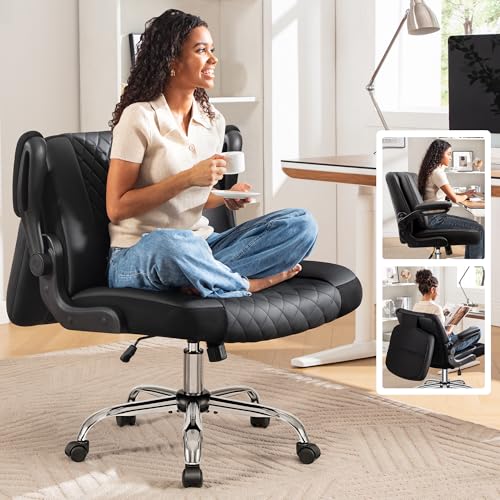
Desk Chair to Sit Cross Legged: The Complete Comfort Guide
Discover how to choose a desk chair that lets you sit cross legged comfortably — from seat width and cushion firmness to ergonomic setup and posture tips. Everything you need to make a confident buying decision.
Why cross-legged seating is different: Sitting cross legged changes how your weight distributes across the seat. Instead of pressure through the sit bones alone, your thighs, knees, and ankles share the load. This makes seat dimensions, cushioning, and armrest clearance far more important than in a standard upright chair. This guide explains exactly what to look for so you can enjoy a comfortable cross-legged workspace without compromising support.
Why People Choose to Sit Cross Legged at a Desk
Many remote workers, students, and creatives naturally shift into a cross-legged position because it feels relaxed and can ease tension in the hips and lower back. For some people it improves focus, while for others it is simply the most comfortable way to spend a long session at the keyboard. The challenge is that a conventional office chair often prevents this posture — narrow seats, raised side bolsters, and fixed armrests push the knees outward and create pressure points.
A dedicated cross-legged chair solves these friction points. It provides a broad landing surface for folded legs, uses cushioning that resists bottoming out under concentrated pressure, and keeps the arms clear so the knees can rest freely. If you already struggle with traditional seating, exploring comfortable desk chair options for long hours is a smart first step before narrowing down to a cross-legged-specific model.
Key Features of a Chair Built for Cross-Legged Sitting
1. A Wide, Flat Seat Surface
Seat width is the single most important factor. Look for a seat at least 20 to 24 inches wide so both folded legs rest fully on the cushion. A flat surface without deep side bolsters prevents the knees from being pushed together or pinched. A generously sized seat also gives you room to alternate between cross-legged and standard sitting throughout the day.
2. Supportive Yet Resilient Cushioning
Cross-legged sitting concentrates pressure on the ankles and knees, so the cushion must be firm enough to support weight without collapsing. High-density foam or a firm molded seat retains its shape and distributes pressure evenly. A cushion that bottoms out quickly will leave you uncomfortable within an hour.
3. Armrest Clearance or Armless Design
Fixed armrests often block the knees from moving freely. Adjustable arms that lift fully out of the way or an armless design give you the openness needed for cross-legged posture. If you prefer arms for typing support, look for flip-up or height-adjustable options so you can transition between positions easily.
4. Adjustable Seat Height
A height-adjustable chair lets you align your folded knees with the desk surface and keep the feet from dangling. A lower seat setting is often more natural for cross-legged sitting, so verify that the chair's lowest height matches your desk and body proportions. When the seat is set correctly, your thighs remain roughly parallel to the floor even with legs folded.
5. Back Support That Accommodates Movement
Cross-legged sitting involves subtle weight shifts. A chair with a flexible or contoured backrest — ideally with adjustable lumbar support — keeps the lower spine supported as you change position. For people who combine this posture with longer sessions, pairing the chair with a proven back-support approach from a desk chair designed for back pain can make the setup even more sustainable.
Cross-Legged Chair Features at a Glance
| Feature | What to Look For | Why It Matters |
|---|---|---|
| Seat Width | 20–24 inches or wider | Folded legs rest fully without hanging off |
| Cushion Type | High-density or firm molded foam | Prevents pressure buildup at knees and ankles |
| Armrests | Armless or fully adjustable / flip-up | Keeps knees clear and allows position changes |
| Seat Height Range | Low enough for folded legs to align with desk | Maintains healthy thigh and hip angles |
| Backrest | Contoured or flexible with lumbar support | Supports the spine during weight shifts |
| Seat Depth | Sufficient for both folded and standard sitting | Versatile use throughout the day |
Chair Tiers and What They Offer
Cross-legged seating is available across every market tier. Understanding the trade-offs helps you match a chair to your needs rather than paying for features you will not use.
- Entry-level tier: Simple wide-seat designs with basic foam cushions and limited height adjustment. A solid starting point for occasional cross-legged sitting, though cushioning may compress sooner with daily use.
- Mid-range tier: Refined cushioning, adjustable arms, and smoother height mechanisms. These models typically balance comfort and durability well and are a common choice for daily home-office use.
- Premium tier: High-density molded seats, multi-directional armrests, and refined lumbar support. Expect better long-session comfort and more consistent build quality.
- Top-tier and professional-grade: Commercial-grade materials, extensive adjustability, and heavy-duty construction. Best suited to users who sit for many hours or share the chair across different body types.
Whatever tier you choose, verify the seat width and armrest clearance first — these two specifications most directly determine whether cross-legged sitting is actually comfortable.
How to Set Up Your Chair for Cross-Legged Comfort
Even the best chair needs correct adjustment. Follow these steps to get the most from a cross-legged setup:
- Set seat height first: Lower the seat until your folded knees rest comfortably and your thighs are roughly parallel to the floor.
- Check seat depth: Leave a small gap behind the knees so circulation is not restricted when legs are folded.
- Clear the armrests: Raise or remove arms so the knees have free movement. Re-engage them only when you switch to standard typing posture.
- Align the desk: Keep the keyboard and monitor within comfortable reach so you are not leaning forward. If your current desk sits too high, an adjustable desk for office use gives you the flexibility to match desk and chair heights.
- Add support underfoot or under knee: A small cushion or a foot stool for desk use can reduce strain during longer cross-legged sessions.
- Change positions regularly: Alternate cross-legged sitting with standard upright posture and short standing breaks to keep circulation healthy.
Common Mistakes to Avoid
- Choosing a narrow seat: A seat under 20 inches wide forces folded legs to hang off the edge, creating pressure and instability.
- Ignoring cushion density: Soft foam feels plush at first but collapses under concentrated pressure, leaving knees and ankles sore.
- Keeping fixed armrests: Armrests that cannot move out of the way often block the knees and make cross-legged sitting awkward.
- Skipping height adjustment: A seat that is too high forces the feet to dangle and strains the hips; a seat that is too low pushes the knees above the desk.
- Staying in one position all day: Cross-legged sitting works best as part of a varied posture routine, not as a fixed all-day position.
Frequently Asked Questions
What kind of desk chair is best for sitting cross legged?
A chair with a wide, flat seat, firm but cushioned padding, no restrictive side bolsters, and an adjustable height range works best. Armless or adjustable-arm designs give the knees room to rest freely.
How wide should a cross-legged desk chair seat be?
Look for at least 20 to 24 inches of seat width so folded legs rest fully on the cushion. Wider seats reduce pressure points on the knees and ankles.
Can I sit cross legged in a normal office chair?
Sometimes, but narrow seats, fixed armrests, and side bolsters often make it uncomfortable. A chair designed or adapted for cross-legged sitting is a more reliable option.
Is sitting cross legged bad for your back?
Any single posture held for long periods can cause discomfort. Cross-legged sitting is sustainable when combined with a supportive cushion, correct chair adjustment, and regular position changes.
Do I need a special cushion for cross-legged sitting?
A firm, high-density cushion helps, and some users add a small knee or foot cushion for extra support. The chair's built-in cushioning is the primary factor, so prioritize a firm seat first.
Final Thoughts
A desk chair that supports cross-legged sitting comes down to a few decisive details: a wide flat seat, resilient cushioning, armrest clearance, and correct height adjustment. Match those features to your daily sitting habits, and you will enjoy a more relaxed and comfortable workspace. Before you finalize your choice, it is also worth reviewing an adjustable desk chair without wheels if you prefer a stable, stationary base, or a comfortable desk chair without wheels for a floor-friendly setup. For a deeper comparison of seating comfort across styles, see our guide to comfort desk chairs. When your chair and desk are aligned, cross-legged sitting becomes a genuinely pleasant way to work.