Floor Desks: The Complete Guide to Sitting on the Floor
Embrace a natural sitting posture. Discover ergonomic floor desks, cushions, and floor desk setups that improve posture, reduce back pain, and create a unique, focused workspace.
EXPLORE FLOOR DESK PICKSAll About Desks Philosophy: We believe your desk should adapt to your body, not the other way around. Floor desks (also called floor sitting desks or ground desks) are gaining popularity as an ergonomic alternative to traditional chairs. They encourage active sitting, better posture, and a grounded, focused work environment. This guide covers everything you need to know about floor desks—from benefits and ergonomics to the best floor desk setups and accessories.
Why Choose a Floor Desk?
Floor desks are more than just a trend. They represent a return to natural, dynamic sitting. Here’s why people are switching to floor desks for sitting on the floor:
- Improved Posture: Sitting on the floor naturally encourages a neutral spine, reducing slouching and lower back pain. The lack of a backrest forces your core to engage, strengthening your back muscles over time.
- Active Sitting: Floor desks allow you to easily change positions—cross-legged, kneeling, or stretched out. This constant micro-movement increases blood flow and reduces stiffness.
- Space Efficiency: Floor desks often have a smaller footprint than traditional desks, making them perfect for minimalist or small spaces. They can also double as a coffee table or meditation space.
- Mindfulness & Focus: The lower height creates a distinct boundary between work and relaxation. Many find that working from the floor helps them concentrate better and feel more grounded.
- Versatility: Floor desks can be paired with floor chairs, cushions, or kneeling chairs, allowing you to customize your comfort level.
Ergonomics of Floor Sitting Desks
To get the most out of a floor desk, correct ergonomics are key. Unlike standard desks where you adjust the chair, with a floor desk you adjust your body and accessories.
1. Desk Height: Your floor desk should be at a height that allows your elbows to rest at a 90-degree angle when typing. A typical floor desk height ranges from 15 to 20 inches (38–50 cm). If you're using a standard height desk, you'll need a low-profile desk designed for floor sitting, or an adjustable floor desk.
2. Sitting Position: The most common floor sitting positions are cross-legged (sukhasana), kneeling (with a kneeling chair or cushion), or side-sitting. Alternate positions throughout the day to avoid stiffness. A good desk chair for sitting cross-legged can also support this style.
3. Screen Height: Your monitor should be at eye level. Use a monitor arm or a desk shelf to raise the screen. If you're using a laptop, a laptop stand is essential. This prevents neck strain.
4. Support Cushions: A high-quality floor cushion or a cross-legged desk chair can make a huge difference. Look for options with firm support to keep your hips elevated and your spine aligned.
Types of Floor Desks
There are several types of floor desks available. Here’s a quick breakdown:
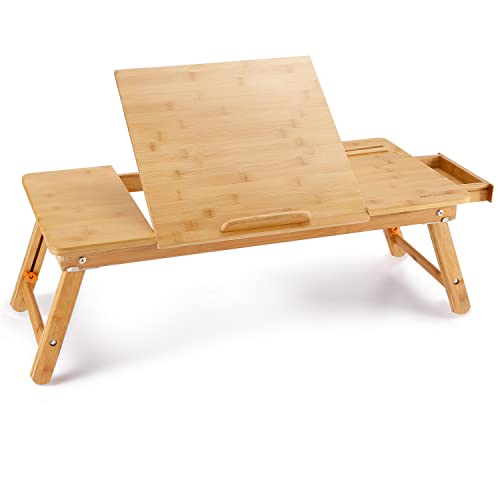
- Low-Profile Wooden Desks: Beautiful, minimalist desks made from solid wood. They offer a warm, natural aesthetic and are highly durable. Perfect for a desk with pull-out writing surface if you need extra space.
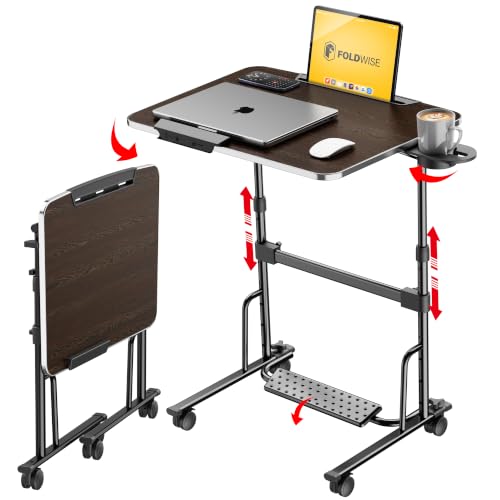
- Adjustable Floor Desks: These desks can be raised or lowered, allowing you to switch between floor sitting and kneeling. They often come with gas springs or manual levers.
- Desk Converters for Floor Sitting: These are stand-alone units that can be placed on the floor to create a temporary floor desk. They’re portable and great for small apartments.
- Kneeling Desk Chairs: While not a desk per se, these chairs are designed to be used with low desks. They support your shins and knees, reducing pressure on your lower back.
- DIY Floor Desks: You can also create a floor desk using a low table or a butcher block on legs. This is a cost-effective way to start experimenting with floor sitting.
Essential Floor Desk Accessories
To create a comfortable and functional floor desk setup, consider these accessories:
- Floor Chair or Cushion: A desk chair for sitting cross-legged or a firm meditation cushion provides the necessary support.
- Laptop Stand or Monitor Arm: Essential for raising your screen to eye level. A desk-mounted computer monitor stand can be adapted for floor desks.
- Wireless Keyboard and Mouse: To avoid wrist strain, place these on the desk surface at a comfortable distance.
- Cable Management: Keep your floor area clutter-free with a desk with built-in cable management or external cable trays.
- Lighting: A desk lamp with USB charging port provides focused light without taking up much space.
- Floor Mat: A soft rug or mat can make the floor more comfortable and define your workspace.
For a truly minimalist and organized floor desk, consider a desktop organizer shelf with drawers to keep your stationery and gadgets neatly stored.
✅ Benefits
- Encourages natural posture
- Reduces back pain
- Improves core strength
- Space-saving design
- Promotes mindfulness
⚠️ Considerations
- Initial adjustment period
- Requires more floor space
- May not suit everyone
- Need for supportive cushions
- Limited adjustability
Ready to Build Your Floor Desk Setup?
Choosing the right floor desk and accessories is about finding what works best for your body and space. We’ve curated a selection of the best floor desks, floor chairs, and accessories to help you get started. Browse the products below and take the first step toward a healthier, more natural way of working.
→ Shop our recommended floor desk picks or continue reading our expert desk tips for more inspiration.