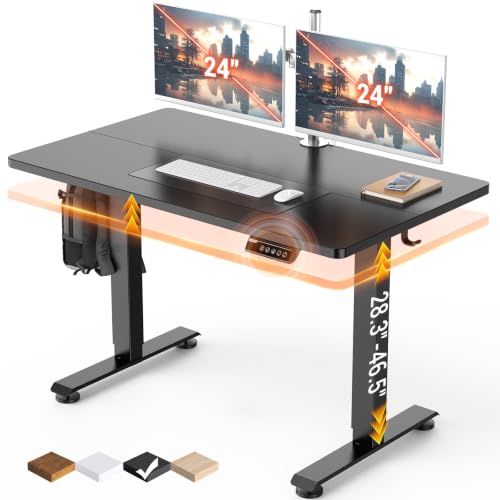
Desk Height Guide: Find Your Perfect Ergonomic Setup
All about desks — your complete resource for proper desk height. Whether sitting or standing, get the ergonomics right to boost comfort, productivity, and well-being.
Calculate Your Ideal HeightWhy Desk Height Matters: An improperly adjusted desk height is a leading cause of neck pain, back strain, and reduced focus. Getting your desk height right is the single most impactful change you can make for a healthier workspace. This guide covers everything from basic ergonomic principles to step-by-step adjustment techniques for both sitting and standing desks.
The Science of Ergonomic Desk Height
Your desk height directly influences your posture, circulation, and energy levels throughout the day. The ideal height allows your arms to rest at a 90-degree angle, your feet flat on the floor (or footrest), and your monitor at eye level. Learn more about the principles of desk ergonomics and how they affect long-term health.
For a convertible sit-stand desk, the ideal height range is slightly different for each posture. The golden rule: your elbows should be at a 90–110 degree angle, with your wrists straight and hands hovering just above the keyboard.
Measure from the floor to the underside of your elbow while seated with your arm at 90°. This number is your ideal desk height (typically 22–30 inches). For standing, add 2–4 inches to account for your shoes and a slight upward tilt.
Step-by-Step Desk Height Adjustment
1. Sitting Posture Check
- Feet flat on the floor (or use a chair with a footrest).
- Knees at hip level or slightly below.
- Thighs parallel to the floor.
- Elbows at 90° with wrists straight.
2. Standing Posture Check
- Stand tall with weight evenly distributed.
- Elbows at 90°–110°.
- Monitor top at or slightly below eye level.
- Use an anti-fatigue mat for comfort.
3. Tools & Accessories
- Monitor risers to raise your screen.
- Keyboard trays for optimal wrist angle.
- Adjustable chair arms to support your elbows.
Common Desk Height Mistakes to Avoid
- Too High: Causes shoulder shrug, wrist extension, and neck pain. Lower the desk or use a footrest.
- Too Low: Leads to forward head posture, rounded shoulders, and back strain. Raise the desk or chair.
- Ignoring Monitor Height: Even with correct desk height, an improperly placed monitor forces your neck into awkward angles. Use a monitor riser to bring it to eye level.
- One-Size-Fits-All: Desks are not one-size-fits-all. Always adjust to your unique body measurements.
Desk Height for Different Activities
Writing / Handwriting
Slightly lower than typing height to allow your arm to rest on the surface. Aim for a 15–20 degree downward slope from elbow to hand.
Computer / Typing
Elbows at 90°, wrists flat. This is your baseline height for most office work. Use a keyboard tray if needed.
Standing Desk Work
Your standing desk height should be slightly higher than your sitting height (about 2–3 inches) to maintain the same 90° elbow angle. Consider a height-adjustable desk for effortless switching.
How to Measure Your Ideal Desk Height
- Sit naturally in your chair with your feet flat.
- Bend your elbows to 90° and hold your arms at your sides.
- Measure from the floor to the underside of your elbow.
- This number is your ideal desk height (without keyboard tray).
- If you use a keyboard tray, add 1–2 inches to the measurement.
Pro Tip: If you wear thick-soled shoes, adjust your measurement accordingly. For standing desks, measure while standing naturally.
Desk Height and Chair Synergy
Your desk and chair work as a system. A chair with adjustable lumbar support and adjustable arms ensures your body is properly aligned. When your chair is set correctly, your desk height becomes easier to dial in. If your chair doesn't go low enough, consider a floor mat or a lower desk base.
Standing Desk Height Guidelines
For a standing desk, the same elbow-angle rule applies. Stand with your shoulders relaxed, elbows at 90°, and wrists straight. Your monitor should be at eye level. If you frequently switch between sitting and standing, a height-adjustable desk is essential to maintain proper ergonomics throughout the day.
Remember the 90-90-90 Rule
Hips at 90°, knees at 90°, and elbows at 90°. This golden ergonomic principle ensures a neutral, comfortable posture that reduces strain and fatigue. Apply it to both sitting and standing positions for the best results.
Related Articles: Desk Height Ergonomics · Sit-Stand Converter Desks · Monitor Risers · Keyboard Trays