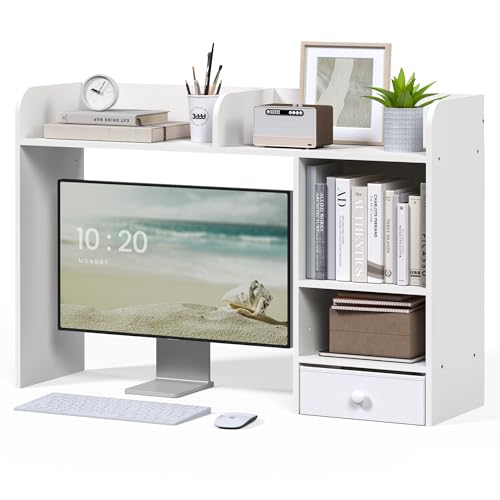
Desk Hutch Guide: Add Smart Storage to Your Workspace
Discover how a desk hutch can transform your workspace with vertical organization, display space, and a cleaner desk surface.
Why a Desk Hutch? A desk hutch is one of the most effective ways to add storage without taking up extra floor space. Whether you need extra shelving, a place for monitors, or a spot for books and decor, a hutch turns your desk into a complete workstation.
What Is a Desk Hutch?
A desk hutch is a set of shelves or cabinets that attaches to the back of a desk, either sitting on the surface or mounted to the wall. It creates vertical storage, freeing up your main work area. Hutches are available in wood, metal, engineered wood, and various finishes. They can be open for display, closed for concealed storage, or a combination of both.
Benefits of Adding a Hutch
📦 More Surface Space
By moving items like books, speakers, monitors, and decor off the desk surface, a hutch gives you more room to work. It's ideal for small desks or home offices with limited square footage.
📁 Improved Organization
With dedicated shelves, you can categorize items: files on one shelf, tech accessories on another, and personal items on top. This makes your workspace more efficient and visually pleasing.
🖥️ Monitor & Peripheral Placement
Many hutches are designed to support monitors at the correct ergonomic height, reducing neck strain and allowing you to place your monitor at eye level without an extra stand.
✨ Aesthetic & Personalization
A hutch can serve as a display area for plants, photos, or art. It adds character to your workspace and makes it feel like your own.
Types of Desk Hutches
Choosing the right hutch depends on your desk style, space, and storage needs. Here are the most common types:
🔹 Surface-Mounted Hutches
Sits directly on your desk. Easy to install and move. Ideal for renters or those who want flexibility. Often includes a bottom shelf that rests on the desk, with upper shelves rising behind your monitor.
🔹 Wall-Mounted Hutches
Attached to the wall above your desk. Great for floating desks or when you want a clean, modern look. Saves desk space completely and can be installed at any height.
🔹 Corner Hutches
Designed for L-shaped desks or corner setups. They maximize corner space and often include multiple shelves or cabinets with a curved or angled design.
🔹 Adjustable Hutches
Allow you to move shelves up or down, change configurations, or add/remove components. Perfect for evolving workspaces and different monitor sizes.
Materials & Finishes
Desk hutches come in a variety of materials, each with its own look, durability, and price point. Consider your existing wood desks or desk surfaces when choosing a finish.
- Solid Wood: Durable, classic, and can be refinished. Common woods: oak, walnut, maple. Pairs well with solid wooden desks for home office.
- Engineered Wood (MDF / Particleboard): Affordable, smooth surface, available in many colors. Often used in modern and budget-friendly hutches.
- Laminate: Scratch-resistant, easy to clean, and mimics wood or stone textures. Great for high-use workspaces.
- Metal & Glass: Industrial or contemporary styles. Metal frames with glass shelves are sleek and visually light.
How to Choose the Perfect Desk Hutch
Before buying, consider these key factors:
📐 Measure Your Space
- Desk width and depth – ensure the hutch fits without overhang.
- Height clearance – make sure the hutch doesn't block windows or shelves.
- Monitor size – if placing a monitor on the hutch, check shelf depth and weight capacity.
⚖️ Weight Capacity
- Check the maximum load per shelf and overall.
- If you have heavy books or large monitors, opt for solid wood or metal construction.
🛠️ Assembly & Installation
- Some hutches require wall anchors for stability, especially tall ones.
- Surface-mounted hutches are easier to install but may shift if not secured.
🎨 Style & Aesthetic
- Match your hutch to your desk and room decor.
- Consider open vs. closed storage – a mix offers both display and clutter hiding.
Installation & Maintenance Tips
Installing a desk hutch is usually straightforward. For surface-mounted hutches, place it at the back of your desk and secure it with brackets or clamps. Wall-mounted hutches require drilling into studs; use a level to ensure shelves are straight. For desk hacks, many hutches are compatible with popular desk models.
Maintenance: Dust regularly, clean with a damp cloth (avoid harsh chemicals), and check screws periodically. For wood hutches, use a wood polish or conditioner to keep the finish looking new.
Integrating with Your Workflow
A hutch can improve your desk ergonomics. By raising your monitor to eye level, you can reduce neck and eye strain. Combine with a monitor arm for even more adjustability. Use the shelves for speakers, desk lighting, or small plants to create a pleasant and productive environment.
For cable management, route wires behind the hutch or use adhesive clips. This keeps your desk surface clean and professional. Learn more in our cable management guide.
FAQs About Desk Hutches
Can I put a hutch on any desk? Most hutches are designed to fit desks of a certain depth (usually 24–30 inches). Check the hutch's depth and weight limits. For home office desks for small spaces, consider a compact hutch.
Are hutches difficult to assemble? Many come with clear instructions and require basic tools. If you're not handy, consider hiring a handyman or choosing a pre-assembled option.
Can I use a hutch with a standing desk? Yes, but ensure the hutch is securely attached to the desk surface or wall. If your desk raises and lowers, a wall-mounted hutch is more stable.