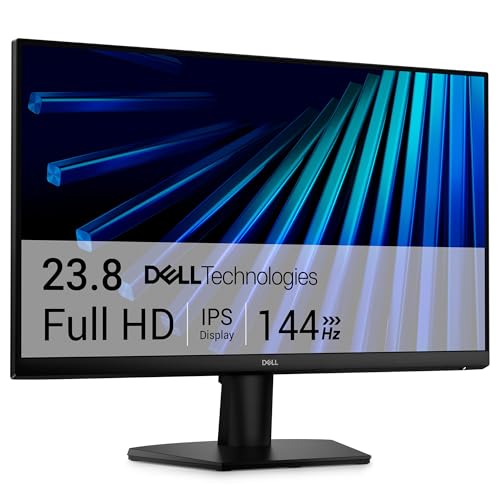
Desk Top Monitor: Your Complete Guide to the Perfect Display
Choosing the right desk top monitor transforms your workspace. From panel types and resolution to ergonomic setup, this guide covers everything you need to know for a productive and comfortable desk experience.
Shop Top MonitorsWhy Your Desk Top Monitor Matters: The monitor is the centerpiece of your desk setup. It affects your posture, eye health, workflow efficiency, and overall enjoyment. Whether you're a gamer, designer, programmer, or remote worker, the right display makes all the difference. This guide will help you navigate the specs and choose a monitor that fits your needs and budget.
Key Considerations for Your Desk Top Monitor
Before you buy, understand these core specifications to make an informed decision.
Panel Technology
IPS – Best color accuracy and viewing angles, ideal for design and photo editing. VA – High contrast ratios, excellent for dark rooms and media consumption. TN – Fast response times, favored by competitive gamers. Choose based on your primary use case.
Resolution & Size
1080p is budget-friendly and great for 24-inch screens. 1440p (QHD) offers a sweet spot for 27-inch displays with sharper text. 4K (UHD) delivers stunning detail for 32-inch+ screens, ideal for creative professionals. Consider your desk depth and viewing distance.
Refresh Rate & Response
60Hz is standard for office work. 120Hz+ provides smoother motion for gaming and video editing. 1ms response time minimizes ghosting. For a dual monitor setup, ensure both monitors have matching refresh rates if you plan to use them side-by-side.
Ergonomics & Adjustability
Look for height adjustability, tilt, and swivel features. A monitor arm can free up valuable desk space and allow for perfect positioning. Proper monitor placement reduces neck and eye strain, which is crucial for a ergonomic desk setup.
Choosing the Right Monitor Size for Your Desk
The size of your monitor should match both your desk and your work style. Here’s a practical breakdown:
24-inch (1080p): Perfect for small desks or compact setups. Great for general office work and light gaming.
27-inch (1440p): The most versatile size. Excellent for multitasking, programming, and creative work. Fits well on standard-depth desks (60-80cm).
32-inch (4K): Ideal for content creators, video editors, and professionals needing screen real estate. Requires a deeper desk (80cm+) or monitor shelf to maintain comfortable viewing distance.
Ultrawide (34-inch+): Replaces a dual-monitor setup. Best for immersive gaming and productivity where you can snap windows side-by-side.
Resolution: 1080p vs. 1440p vs. 4K
Resolution determines the sharpness of the image. Consider your typical tasks:
- 1080p (Full HD): Entry-level. Text may appear slightly pixelated on screens larger than 24 inches. Good for budget-conscious buyers.
- 1440p (Quad HD): The sweet spot for 27-inch monitors. Offers 78% more pixels than 1080p, resulting in noticeably sharper text and images. Highly recommended for most users.
- 4K (Ultra HD): Four times the pixels of 1080p. Provides exceptional clarity for detailed work like photo retouching and CAD. Requires a powerful graphics card, especially for gaming.
Setting Up Your Desk Top Monitor Ergonomically
Proper positioning is just as important as the monitor you choose. Follow these tips for a healthy workspace:
- Eye Level: The top of the screen should be at or slightly below your eye level. Use a monitor riser or monitor mount if needed.
- Arm's Length: Position the monitor about an arm's length away from your eyes (roughly 50-70 cm).
- Tilt: Tilt the screen slightly backward (about 10-20 degrees) to maintain a natural downward gaze.
- Glare Reduction: Place your desk perpendicular to windows to avoid direct light on the screen, reducing eye strain.
- Dual Monitors: For a dual monitor desktop, place the primary monitor directly in front and the secondary monitor to the side, at a slight angle.
Connectivity and Extra Features
Don't overlook the ports and features that can enhance your workflow:
- USB-C with Power Delivery: Connect your laptop with a single cable for video, data, and charging. Essential for a clean wireless desk setup.
- DisplayPort / HDMI: Ensure your monitor has the right connections for your computer. DisplayPort 1.4 or HDMI 2.0 is required for 4K at 60Hz.
- USB Hub: Built-in USB ports make it easy to connect peripherals like a keyboard, mouse, or webcam without reaching behind your PC.
- Built-in Speakers: Decent for casual use, but dedicated desk speakers or headphones will provide superior audio quality.
Frequently Asked Questions About Desk Top Monitors
What is the best monitor size for my desk?
For a standard 60cm deep desk, 27-inch is optimal. For deeper desks (80cm+), 32-inch or ultrawide can work well. Always consider your viewing distance to maintain a comfortable field of view.
Do I need a 144Hz monitor for office work?
Not necessarily. 60Hz is sufficient for everyday office tasks. Higher refresh rates (120Hz+) benefit gamers and video editors who need smoother motion.
What’s the best panel type for reading text?
IPS panels are generally recommended for their superior text clarity and viewing angles, reducing eye strain during long reading sessions.
Your Perfect Desk Top Monitor Awaits
Choosing the right desk top monitor is a significant investment in your comfort and productivity. By considering panel type, resolution, size, and ergonomics, you can create a workspace that helps you perform at your best. Whether you're upgrading your current display or building a new setup from scratch, the information in this guide will help you make a confident decision. Explore the recommended products below and find the monitor that fits your desk and your life.