Elementary Desk Guide
Choosing the right desk for your child is an investment in their health, comfort, and academic success. Discover the essential features, materials, and sizes to make an informed decision.
Shop Top Elementary DesksWhy the right elementary desk matters: Children spend a significant portion of their day at a desk, whether for homework, art projects, or online learning. An improperly sized or uncomfortable desk can lead to poor posture, back pain, and decreased concentration. This guide will walk you through everything you need to know to select the perfect desk for your young student.
Key Considerations for an Elementary Desk
When shopping for an elementary desk, there are several critical factors to evaluate. The right choice will grow with your child and adapt to their changing needs.
📏 Height & Ergonomics
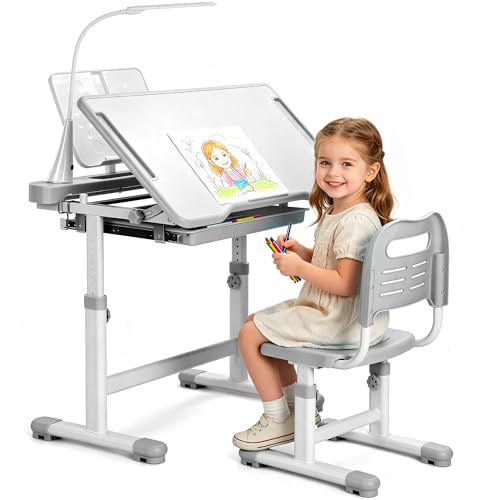
Your child's feet should rest flat on the floor, with knees at a 90° angle. The desk surface should be at elbow height when arms are relaxed. Look for adjustable height children's desks to accommodate growth spurts.
🪑 Desk & Chair Combo
A coordinated desk with chair ensures proper ergonomic alignment. Many sets are designed specifically for kids, with chairs that offer lumbar support and seat height adjustment.
📦 Storage & Organization
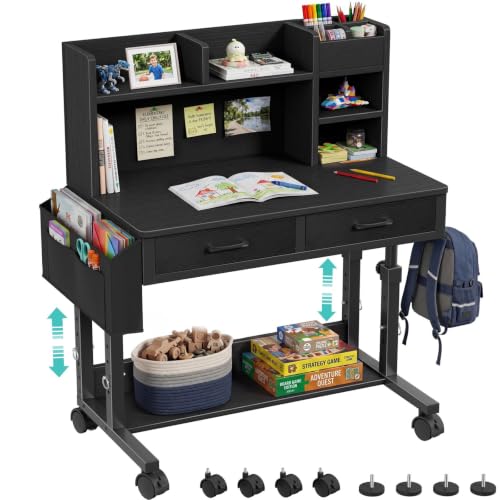
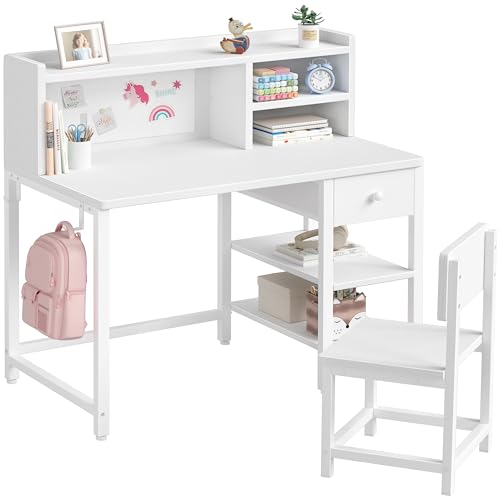
Desks with built-in drawers, shelves, or desk file folder organizers help keep supplies tidy. An organized space promotes focus and reduces distractions.
🧱 Material & Durability
Solid wood, high-quality MDF, or sturdy metal frames are ideal. Avoid flimsy materials that wobble or break. A solid wood desk top offers both durability and a classic aesthetic.
🔆 Lighting
Proper lighting is essential. A adjustable arm desk lamp or rechargeable desk lamp can provide focused task lighting without taking up much space.
📐 Surface Area
A spacious surface allows for textbooks, a laptop, and writing materials. Consider large computer desk options if your child uses a desktop computer or multiple devices.
In-Depth Guide to Choosing the Perfect Elementary Desk
Ergonomics: Protecting Your Child's Growing Body
Children are not miniature adults. Their bodies are still developing, and an ergonomic computer desk or study desk must accommodate their proportions. The ideal elementary desk height is typically between 22–28 inches, depending on the child's height. A good rule of thumb is that the desk surface should be level with your child's elbows when they are seated with their arms hanging naturally.
An adjustable children's desk is the most practical choice because it can be raised as your child grows. This is a wise investment that will serve them for years. Pair the desk with an adjustable footstool if their feet don't reach the floor, to ensure proper posture and circulation.
Space Efficiency for Bedrooms & Playrooms
If space is limited, a small computer desk for bedroom or a compact secretary desk can be a perfect solution. These are designed to fit into tight corners or small rooms while still providing a functional workspace. Another option is a children's bed with desk, which combines sleeping and study areas, ideal for shared or compact rooms.
For the ultimate space-saving solution, consider a metal loft bed with desk or a wooden bunk bed with desk. These elevate the sleeping area and create a dedicated, private study zone underneath. This is an excellent choice for children who need a quiet, organized space to focus.
Material and Build Quality
Children can be tough on furniture. Look for desks made from durable materials like solid wood, high-quality plywood, or powder-coated steel. A solid wood office desk may be an investment, but it will last through multiple school years. Many parents also appreciate the look of a natural wood desk because it is easy to refinish if it gets scratched or stained.
If you prefer a modern aesthetic, acrylic desks are available but may not be as durable for daily use. For a clean, minimalist look, a white writing desk can brighten up a room and provide a fresh, inviting workspace.
Organization and Accessories
A messy desk can lead to a messy mind. Help your child stay organized with the right accessories. A felt desk pad provides a smooth writing surface and protects the desk. A desk rug can define the study area and add a pop of color. For small items like pencils and erasers, a mesh desk organizer is a practical and affordable solution.
For older elementary students who use a computer, a adjustable monitor stand can help position the screen at eye level, reducing neck strain. And a full desk mouse pad provides a large, smooth surface for both mouse and keyboard, improving comfort during extended use.
Comparison of Popular Elementary Desk Types
To help you visualize the options, here is a comparison of common elementary desk types and their key features.
| Desk Type | Best For | Key Features | Price Range |
|---|---|---|---|
| Adjustable Height Desk | Growing children | Height adjusts with child, ergonomic support | $150–$350 |
| Corner Desk | Small bedrooms, maximizing space | Fits into corners, L-shaped or triangular | $120–$280 |
| Loft Bed with Desk | Compact rooms, space efficiency | Bed on top, desk underneath, integrated storage | $300–$600 |
| Writing Desk | Traditional style, homework focus | Simple design, often with a drawer | $100–$250 |
| Desk with Storage | Keeping supplies organized | Shelves, drawers, or hutch included | $180–$450 |
Final Tips for Your Purchase
When you're ready to buy, measure your child's available space carefully. Remember to leave room for a comfortable desk chair adjustable height. Check the weight capacity of the desk, especially if your child uses a heavy computer or multiple monitors. And always read reviews to see how other parents have rated the desk's durability and ease of assembly.
Investing in a quality elementary desk is not just about furniture—it's about creating an environment that fosters a love for learning. A comfortable, organized, and personalized desk makes study time feel less like a chore and more like an adventure.