Kids Desk: The Complete Guide for Parents
Choosing the right kids desk can transform homework time into a productive and enjoyable routine. This guide covers ergonomics, storage, safety, and the best features for children of all ages.
Why a dedicated kids desk matters: A well-designed desk helps children develop good posture, focus better on tasks, and take pride in their own study space. It also keeps school supplies organized and creates a clear boundary between play and study time.
Types of Kids Desks
Writing & Homework Desks
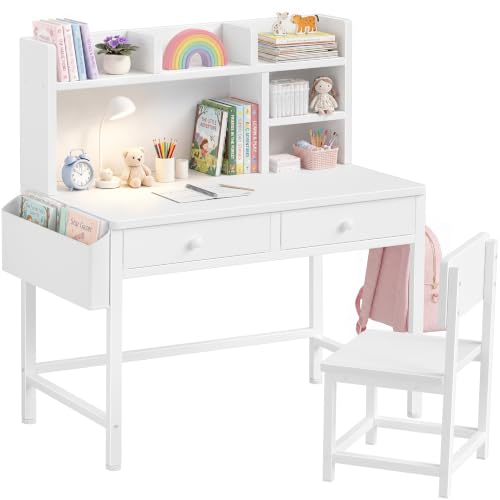
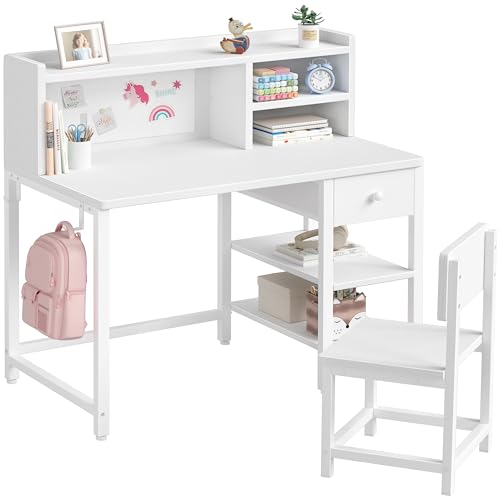
Classic desks with a flat surface for writing, drawing, and reading. Many come with built-in desk with drawers for storing pencils, paper, and other supplies. Ideal for elementary school children.
- Simple and functional design
- Often includes a shelf or small drawer
- Available in various heights for growing kids
Kids Computer Desks
Designed for digital learning and gaming. Features like a laptop stand for desk and cable management keep the area tidy. These desks often have a larger surface to accommodate a monitor and keyboard.
- Space for monitor and peripherals
- Ergonomic height for screen use
- Often includes a CPU stand or shelf
Corner & L-Shaped Desks
Maximizes room space by fitting into a corner. An L-shaped desk offers two work surfaces, perfect for separating homework and a computer area. Great for shared kids' rooms.
- Space-efficient design
- Two work zones for multiple activities
- Often includes a hutch for additional storage
Height-Adjustable Desks
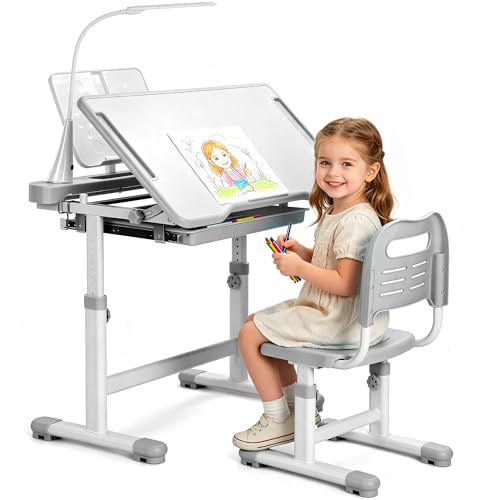
Grow with your child! An adjustable standing desk can be raised as kids get taller, ensuring proper ergonomics. Some models can even transition to a standing desk for active learning.
- Adjustable height for long-term use
- Promotes good posture
- Can be used from elementary through high school
Key Features & Storage Solutions
Storage & Organization
A clutter-free desk boosts focus. Look for desks with built-in organizers, shelves, or the ability to add desk organizer accessories. Under-desk storage like a under-desk organization system can keep the floor clean.
- Desk with bookshelf: desk with bookshelf combines study and storage
- Desk with drawers: computer desks with drawers for supplies
- Floating shelves: floating shelf desk for a modern look
Ergonomics & Comfort
Proper seating is just as important. Pair the kids desk with an kids desk chair that offers adjustable height and good back support. A desk mat can protect the surface and provide a smooth writing area.
- Desk height should allow elbows at a 90° angle
- Monitor at eye level for computer work
- Anti-fatigue mats for standing desks
Kids Desk Buying Checklist
- Child's age and current height
- Primary use: homework, drawing, or computer work
- Available space in the room
- Storage needs (drawers, shelves, organizers)
- Material durability and ease of cleaning
- Safety features (rounded corners, stable base)
- Adjustability for future growth
- Budget for desk and essential accessories
Tips for a Productive Kids Desk Setup
Location Matters
Place the desk in a well-lit area, preferably near a window for natural light. Avoid high-traffic zones to minimize distractions. A corner spot with a corner desk can be a great use of space.
If space is tight, consider a wall-mounted floating desk that folds up when not in use.
Personalize the Space
Let your child add personal touches like a favorite desk shelf for small toys or a led desk lamp in their favorite color. A desk pad with a fun pattern can also brighten the workspace.
This makes the desk feel like their own special zone and encourages them to keep it tidy.
Frequently Asked Questions About Kids Desks
What is the ideal desk height for a child?
Generally, the desk should be at the child's elbow height when seated. As a rule of thumb, for children between 4-7 years old, a desk height of 20-22 inches is appropriate. For ages 8-12, look for 24-26 inches. Adjustable desks are the best investment as they can grow with your child.
Can I use a regular adult desk for my child?
While possible, adult desks are typically too high, leading to poor posture. It's better to use a height-adjustable desk or one specifically designed for kids. You can also add a foot stools for under desk to help with proper foot placement.
What is the best material for a kids desk?
Durable materials like solid wood or high-quality laminates are best. They resist scratches and stains, and are easy to clean. Avoid particle board or very low-quality MDF, as they may not withstand daily use and are harder to repair.
How do I keep my child's desk organized?
Use organizers like desk organizer trays for small items. Encourage a "clean desk" routine at the end of each study session. Storage solutions like a bookshelves for desk or a desk with bookshelf can also help keep supplies in check.
Choosing the right kids desk: The best desk is one that fits your child's needs today and can adapt as they grow. Focus on ergonomics, storage, and durability. A well-chosen desk can foster a love for learning and make homework time something to look forward to.
After reading this guide, you are now ready to pick the perfect kids desk. Explore our kids desk chair selection and other accessories to complete the setup. Check the product recommendations below to get started.