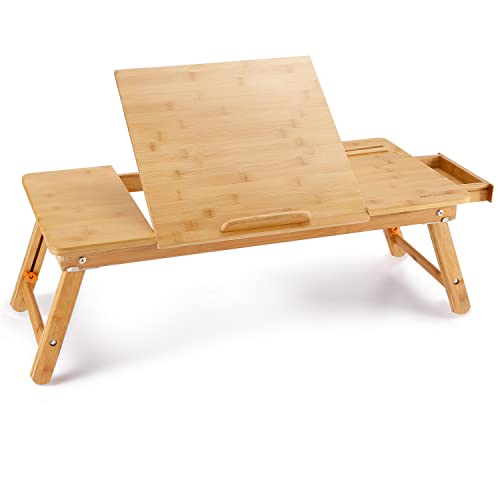
A low desk for sitting on the floor (often called a floor desk or ground desk) is a game-changer for those who prefer a grounded, natural sitting posture. Inspired by traditional Japanese chabudai and modern minimalist designs, these desks sit close to the ground—typically 10–18 inches high—and are used with floor chairs, cushions, or kneeling stools.
Whether you're looking to reduce back pain, create a zen workspace, or simply enjoy a different way of working, a floor desk offers unique ergonomic and aesthetic benefits. This guide covers everything: from health advantages and ideal heights to material choices and top-rated models.
🧘 Better Posture
Encourages a natural spine curve and reduces lower back strain compared to conventional chairs.
🌿 Minimalist Aesthetic
Clean, low-profile design that blends with modern, Japanese, or bohemian interiors.
🪑 Versatile Seating
Use with floor cushions, kneeling chairs, or cross-legged seating—mix it up throughout the day.
🔄 Active Sitting
Encourages subtle movement and weight shifting, keeping your body engaged and active.
What is a Low Desk for Floor Sitting?
A low desk is a work surface designed to be used while sitting on the ground. Unlike standard desks (29–30 inches high), floor desks range from 10 to 18 inches in height. They accommodate cross-legged sitting, kneeling, or using a floor chair. They're perfect for minimalist desk style, meditation spaces, and kids' study areas.
Health Benefits of Floor Desks
- Spinal alignment: Sitting low encourages a more upright, naturally curved spine.
- Hip flexibility: Cross-legged or kneeling postures open the hips and reduce stiffness.
- Core engagement: Floor sitting activates core muscles to maintain balance.
- Reduced pressure: Less pressure on the back of the thighs compared to traditional chairs.
Choosing the Right Floor Desk
Key considerations for your low desk:
- Height: 12–16 inches is most common. Measure from the floor to your seated knee height.
- Material: Solid wood (oak, walnut, bamboo) offers durability and warmth. Metal frames provide an industrial edge.
- Surface size: 40–48 inches wide is ideal for a laptop and accessories. Larger if you need dual monitors.
- Style: Choose from traditional Japanese low tables, modern minimalist platforms, or adjustable floor desks.
For a versatile workspace, consider a wall-mounted floating desk with storage that can be installed at floor height, or a fold-away desk for small spaces that you can put away when not in use.
Floor Desk vs. Standard Desk: Which One is Right for You?
If you value a traditional seated posture and have a standard office chair, a regular desk works well. But if you want to reduce sedentary time, improve hip mobility, and enjoy a calm, grounded workspace, a floor desk is excellent. Many people use a sit-stand desk for home office alongside a floor desk for variety.
How to Set Up Your Floor Desk
- Positioning: Place your desk on a non-slip mat or rug to prevent sliding.
- Seating: Use a floor cushion, zabuton, or a kneeling chair. Adjust the height so your arms rest at a 90-degree angle.
- Monitor height: Use a monitor arm or a low-profile stand to bring the screen to eye level.
- Lighting: A desk lamp or monitor light bar is essential for glare-free illumination.
Styling Your Low Desk
Enhance your floor desk with minimal decor: a small plant, a wooden pen holder, and a desk mat to protect the surface. For a cozy vibe, add a low-maintenance desk plant and soft ambient lighting.
Frequently Asked Questions
Is a floor desk ergonomic? Yes, when set up correctly. Ensure your screen is at eye level and your arms are parallel to the floor.
Can I use a floor desk with a standing desk? Absolutely! Alternating between floor sitting and standing is an excellent way to stay active.
What if I have back pain? A floor desk can help, but consult a healthcare professional. Consider a most comfortable affordable desk chair if you need extra lumbar support.
Ready to transform your workspace? Browse the selection above and find your perfect floor desk today.