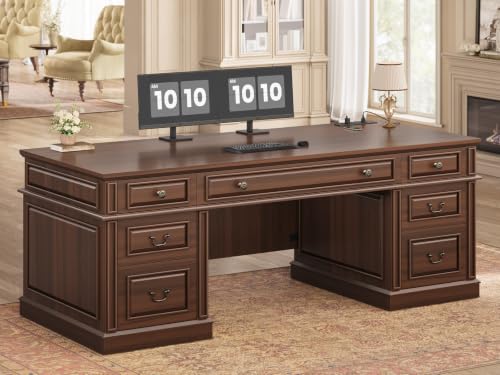
Pedestal Desk: Timeless Design Meets Practical Storage
Discover the enduring appeal of the pedestal desk — a classic work surface with integrated drawer pedestals that combine style, function, and organization for your home office.
Why a pedestal desk? Whether you’re a writer, executive, or remote worker, the pedestal desk offers a spacious surface plus built-in storage to keep your workspace tidy. Its sturdy construction and classic aesthetics make it a favorite for traditional and modern offices alike.
What Is a Pedestal Desk?
A pedestal desk is a type of desk characterized by two pedestal bases (usually with drawers) that support a large, flat work surface. Unlike simple trestle or leg desks, the pedestal design provides substantial storage right at your fingertips. You’ll often find them in executive offices, law firms, and home studies, but they’re equally at home in a modern home office setup.
These desks typically feature a central kneehole, allowing you to sit comfortably while having drawers and filing cabinets on both sides. The design evolved from the traditional writing desk and has remained popular for centuries due to its perfect balance of form and function.
Key Benefits of a Pedestal Desk
📁 Ample Storage
Each pedestal typically includes multiple drawers, often with a file drawer, to keep documents and supplies organized.
🪑 Ergonomic Comfort
The open kneehole design ensures you can sit close to the desk, promoting good posture and reducing strain.
🏛️ Timeless Aesthetic
From rich mahogany to sleek modern finishes, pedestal desks add a touch of sophistication to any room.
🔧 Durable Construction
Built to last, these desks are often crafted from solid wood or high-quality veneers, making them a long-term investment.
Materials, Styles, and Finishes
Pedestal desks are available in a wide range of materials to suit any taste. Solid wood options like oak, walnut, and cherry are prized for their durability and natural beauty. For a more modern look, you can find pedestal desks in laminate, glass, or even metal, offering a sleek, industrial vibe.
Style-wise, you can choose from traditional roll-top designs (see our roll-top desk guide) to minimalist contemporary pedestals with clean lines. Some models feature a hutch or bridge for additional display space, while others keep the surface open for a minimalist desk aesthetic.
Choosing the Right Size
Pedestal desks come in various sizes. Standard widths range from 48 to 72 inches, with depths of 24 to 36 inches. Before purchasing, measure your available space — consider not just the desk footprint but also the clearance needed for the rolling desk chair and surrounding furniture.
If you work with multiple monitors, a wider desk (60+ inches) is recommended to accommodate your dual monitor setup. For smaller rooms, a compact pedestal desk (48 inches wide) provides all the storage without overwhelming the space. Check our guide on normal desk depth for more ergonomic insights.
Pedestal Desk vs. Other Desk Styles
| Feature | Pedestal Desk | Writing Desk | L-Shaped Desk |
|---|---|---|---|
| Storage | High (drawers on both sides) | Low to medium | Medium (often with shelving) |
| Work Surface | Large, open | Moderate | Very large, corner |
| Best For | Executives, writers, home offices | Casual writing, small spaces | Multi-monitor setups, corner rooms |
| Space Required | Medium to large | Small to medium | Large |
If you’re considering other configurations, explore our guides on L-shaped desk setups or floating desk setups for alternative space-saving ideas.
Ergonomics and Setup Tips
To get the most out of your pedestal desk, proper ergonomics are essential. The perfect desk height allows your elbows to rest at a 90-degree angle while typing. Pair your desk with an ergonomic office desk chair that supports your lower back.
Position your monitor at eye level using a monitor arm or stand. Keep frequently used items within arm’s reach, and use the pedestal drawers for less-used supplies to maintain a clutter-free surface. For cable management, consider under-desk cable trays to keep cords hidden.
Maintaining Your Pedestal Desk
Wooden pedestal desks require regular care to preserve their finish. Dust with a soft cloth and use a gentle wood cleaner to prevent buildup. For scratches, consult our repair desk scratches guide. If your desk has a glass or laminate surface, mild glass cleaner or a damp cloth with a non-abrasive cleaner works best.
Periodically check the drawer slides and hardware — a little lubricant can keep drawers gliding smoothly for years.
What to Look for When Buying a Pedestal Desk
- Material Quality: Solid wood or high-grade veneer offers the best longevity.
- Drawer Construction: Look for dovetail joints and full-extension slides for durability and ease of use.
- Finish: Choose a finish that complements your office decor — from rich mahogany to modern matte black.
- Kneehole Clearance: Ensure ample legroom, especially if you’re taller or use a footrest.
- Weight Capacity: Confirm the desk can support your equipment, including monitors, speakers, and accessories.
For more detailed advice, check our first desk setup guide and common desk setup mistakes articles.
Final Verdict: Is a Pedestal Desk Right for You?
If you value a spacious work surface, integrated storage, and a classic look, the pedestal desk is an excellent choice. It’s versatile enough for both traditional and contemporary spaces, and its durable construction ensures it will serve you well for years. Whether you’re setting up a home office or upgrading your executive suite, the pedestal desk offers the perfect blend of style and practicality.
Explore our curated selection below to find the ideal pedestal desk for your workspace.