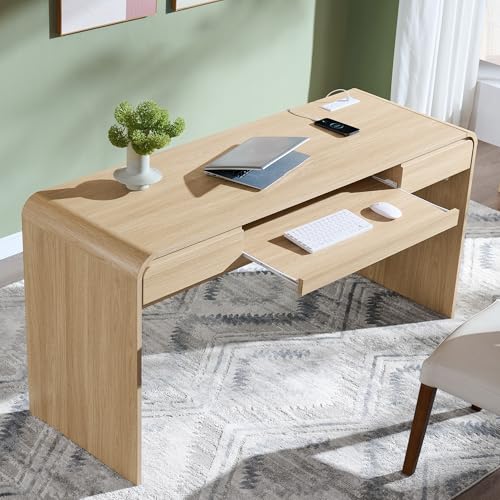
Plywood Desk: The Ultimate Guide to Durable, Stylish & Affordable Workspaces
Discover why plywood is one of the most versatile and cost-effective materials for desk tops. From birch to Baltic birch, learn about types, finishes, DIY tips, and how to choose the perfect plywood desk for your home office or workspace.
Why Plywood? Plywood desks offer an unbeatable combination of strength, stability, and natural beauty. Unlike solid wood, plywood is engineered to resist warping and cracking, making it an ideal choice for large desk surfaces. Plus, it's more affordable than many solid hardwoods, giving you a premium look without the premium price tag.
Types of Plywood for Desk Tops
Not all plywood is created equal. The type of plywood you choose will significantly impact the look, durability, and cost of your desk. Here are the most popular options:
- Birch Plywood: The most common choice for desk tops. Birch offers a smooth, light-colored surface with a subtle grain pattern. It takes stain and paint well, making it highly customizable. Ideal for modern and minimalist desk setups.
- Baltic Birch: A premium grade of birch plywood with more plies and fewer voids. It's denser, stronger, and has a more attractive edge grain. Perfect for high-end DIY desks or furniture-grade projects.
- Oak Plywood: Features a distinctive oak grain pattern. Oak plywood is heavier and more expensive but provides a classic, traditional look that pairs well with executive or rustic desk styles.
- Maple Plywood: Known for its light, uniform color and fine grain. Maple is hard and durable, making it a great choice for high-traffic desk surfaces.
- Walnut Plywood: Offers a rich, dark brown color with a straight grain. Walnut plywood is luxurious and adds warmth to any workspace, though it comes at a higher price point.
How to Finish a Plywood Desk Top
Proper finishing is crucial to protect your plywood desk from spills, scratches, and daily wear. Here are the most effective finishing options:
- Polyurethane (Oil-Based or Water-Based): Provides a durable, scratch-resistant finish. Oil-based polyurethane gives a warm amber tone, while water-based stays clear and is low-VOC. Multiple coats with light sanding in between yield the best results.
- Danish Oil: A penetrating oil that enhances the natural grain of the wood. It offers moderate protection and is easy to apply and repair. Great for a natural, matte look.
- Epoxy Resin: Creates a glass-like, ultra-durable surface that is completely waterproof and resistant to stains. Ideal for a modern, glossy desk, but requires careful application.
- Rubio Monocoat: A hard-wax oil finish that is durable, water-resistant, and food-safe. It bonds with the wood fibers for a long-lasting finish that is easy to maintain.
For a simple DIY approach, a clear polyurethane finish is the most beginner-friendly and offers excellent protection for a plywood desk.
DIY Plywood Desk: Step-by-Step Tips
Building your own plywood desk is a rewarding project. Here are some essential tips for a successful build:
- Choose the right grade: Opt for furniture-grade plywood (A- or B-grade) for the best surface finish. Avoid construction-grade plywood, which may have voids and rough surfaces.
- Cut accurately: Use a circular saw with a fine-tooth blade or a table saw for straight, clean cuts. Score the veneer with a utility knife before cutting to prevent chipping.
- Sand properly: Start with a coarse grit (120) and progress to a fine grit (220) to achieve a smooth surface. Sand in the direction of the grain.
- Edge banding: Apply wood veneer edge banding to hide the exposed plies on the edges. This gives your desk a professional, finished look.
- Seal all sides: Apply finish to the top, bottom, and edges to prevent moisture absorption and warping.
If you're looking for a complete desk solution, consider pairing a plywood desk top with a sturdy desk frame for a custom setup.
Maintaining Your Plywood Desk
With proper care, a plywood desk can last for decades. Follow these simple maintenance tips:
- Use coasters and mats: Protect the surface from moisture and heat by using coasters for drinks and a desk mat for your keyboard and mouse.
- Clean gently: Wipe down the surface with a soft, damp cloth. Avoid harsh chemicals that can damage the finish.
- Apply furniture polish: Use a quality furniture polish or wax to keep the surface looking its best and to add an extra layer of protection.
- Address scratches promptly: Light scratches can often be buffed out with a fine steel wool and a touch of oil or wax.
Plywood vs. Solid Wood vs. MDF: Which is Best?
Choosing the right material for your desk can be challenging. Here's how plywood stacks up against other common desk materials:
- Plywood vs. Solid Wood: Solid wood is beautiful but expensive and prone to warping. Plywood is more stable, affordable, and offers a similar aesthetic with proper finishing.
- Plywood vs. MDF: MDF is cheaper and has a smooth, uniform surface, but it's heavy, less durable, and can swell when exposed to moisture. Plywood is stronger, lighter, and more resistant to moisture.
- Plywood vs. Laminate: Laminate is scratch-resistant and easy to clean, but it lacks the natural beauty and warmth of real wood. Plywood offers a genuine wood look that can be refinished and repaired.
For a balance of cost, durability, and aesthetics, plywood is an excellent choice for most home office and gaming desks.
Buying a Pre-Made Plywood Desk
If DIY isn't your thing, there are many high-quality pre-made plywood desks available. When shopping, consider the following:
- Construction quality: Look for desks with solid plywood construction (not particle board or MDF core). Check the edge banding and overall build quality.
- Finish: Consider the finish type – matte, satin, or glossy – and how it fits with your existing decor.
- Thickness: A thicker plywood top (3/4″ or 1″) provides a more substantial feel and better stability, especially for L-shaped desks.
- Brand reputation: Research brands that specialize in wooden furniture and check reviews for durability and customer satisfaction.
Is Plywood Eco-Friendly?
Plywood is often considered more sustainable than solid wood because it uses thin layers of wood veneer, maximizing the yield from each tree. Look for plywood certified by the Forest Stewardship Council (FSC) to ensure it comes from responsibly managed forests. Additionally, the durability and longevity of a well-made plywood desk means it won't need to be replaced as often, reducing waste.
Tip: When selecting your plywood, always check the glue type. For indoor furniture, look for low-formaldehyde (E1 or E0) glues to ensure a healthier indoor air quality.
Is a Plywood Desk Right for You?
Plywood desks are an outstanding choice for virtually any workspace. They offer a unique blend of strength, beauty, and affordability. Whether you're a DIY enthusiast looking to build your dream desk or simply want a high-quality, durable desk for your home office, plywood is a material that delivers.
With its natural aesthetic and excellent structural integrity, a plywood desk can elevate your workspace while staying within budget. Explore the recommended products below to find the perfect plywood desk or desk top for your needs.