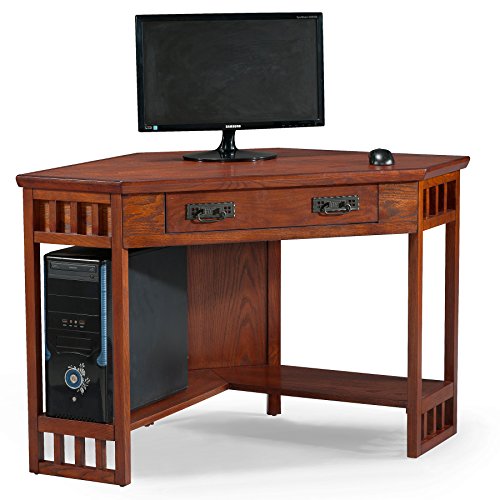
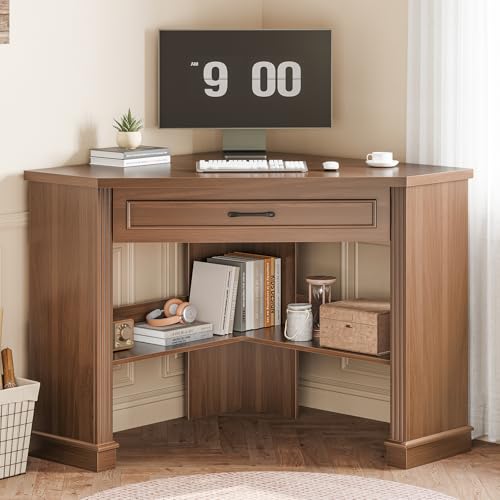
Solid Wood Corner Desk Guide
Maximize your workspace with the warmth and durability of a solid wood corner desk. Expert advice on wood types, sizing, and setup for your home office.
Shop Top PicksWhy a Solid Wood Corner Desk? A corner desk is the ultimate space-saver, and when it's crafted from solid wood, it becomes a lifetime investment. This guide covers everything you need to know: from choosing the right wood species to optimizing your L-shaped layout for productivity and style.
1. Benefits of a Solid Wood Corner Desk
A solid wood corner desk offers a unique combination of durability, aesthetics, and functionality. Unlike veneer or particleboard, solid wood can be refinished, repaired, and lasts for generations. The L-shaped or corner design maximizes floor space, making it ideal for home offices, gaming setups, and creative studios.
✔ Pros
- Durability: Solid wood withstands heavy use and can be sanded and refinished.
- Aesthetic: Natural grain patterns add warmth and character to any room.
- Space Efficiency: Fits neatly into corners, freeing up central floor space.
- Stability: Heavier and more stable than engineered wood, reducing wobble.
- Value: Retains value and can become a family heirloom.
✖ Cons
- Cost: Solid wood is more expensive than MDF or laminate.
- Weight: Can be heavy and difficult to move.
- Maintenance: Requires occasional oiling or waxing to prevent drying.
- Sensitive to Environment: May warp if exposed to excessive humidity or direct sunlight.
If you're looking for a budget-friendly alternative, consider a solid wood desktop on a separate frame. For smaller spaces, a small corner desk might be a better fit.
2. Choosing the Right Wood
Not all solid woods are the same. Here's a quick breakdown of the most popular species used for corner desks.
Price: $1,200–$2,800
Price: $1,500–$3,500
Price: $1,000–$2,400
Price: $1,300–$2,900
Price: $800–$1,800
Price: $1,600–$3,200
For a more detailed comparison, check out our Desk Materials Guide. If you prefer a straight desk, explore solid wood writing desks or L-shaped desks.
3. Size & Ergonomics
Choosing the right size for your corner desk is crucial for comfort and productivity. Measure your available corner space carefully. Standard corner desks range from 48"x48" to 72"x72" on each wing.
- Depth: At least 24"–30" to accommodate monitors and a keyboard comfortably.
- Height: Standard desk height is 28"–30". For a standing corner desk, look for adjustable height ranges.
- Clearance: Ensure there's enough legroom (at least 24" wide and 20" deep under the desk).
- Monitor Setup: An L-shaped desk is perfect for a dual monitor setup or an ultrawide setup.
If you're working with a tight space, a small L-shaped desk or a compact desk might be more appropriate.
4. Optimizing Your Corner Desk Setup
Once you've chosen your desk, it's time to set it up for maximum efficiency. Here are some tips for a clean and productive workspace.
- Monitor Placement: Place your primary monitor directly in front of you. For a dual monitor setup, angle the secondary monitor toward you.
- Cable Management: Use under-desk cable trays and raceways to keep cords hidden.
- Desk Organization: Utilize the corner for desk organizers or a monitor stand with storage.
- Ergonomics: Pair your desk with a swivel desk chair that supports your posture. A footrest can also improve comfort.
- Lighting: Add a monitor light bar or desk lamp to reduce eye strain.
For more inspiration, browse our desk setup ideas or learn about productivity habits.
5. Maintaining Your Solid Wood Corner Desk
Solid wood requires regular care to keep it looking beautiful. Here are some essential maintenance tips.
- Cleaning: Dust regularly with a soft cloth. Use a mild wood cleaner for deeper cleaning.
- Protection: Use coasters and desk mats to protect the surface from heat and spills.
- Refinishing: Every few years, apply a coat of furniture oil or wax to nourish the wood.
- Repair: Minor scratches can be fixed with a touch-up marker or by sanding and resealing.
Learn more about protecting your desk surface and how to repair desk scratches.
6. Standing Corner Desks: The Best of Both Worlds
If you want the health benefits of standing while working, a standing corner desk is an excellent choice. Many models offer electric height adjustment, allowing you to switch between sitting and standing seamlessly.
- Height Range: Look for a desk that adjusts from 22" to 48" to accommodate different users.
- Stability: Solid wood tops are heavier and more stable at standing heights.
- Compatibility: Pair with an anti-fatigue mat for comfort.
Explore our electric standing desks guide for more options. If you already have a standing desk frame, consider a solid wood desktop upgrade.
7. What to Look for When Buying
When you're ready to make a purchase, keep these factors in mind to ensure you get the best desk for your needs.
- Wood Type & Grain: Choose a species that matches your style and budget.
- Construction: Look for dowel, mortise-and-tenon, or dovetail joints for durability.
- Finish: A protective finish (like polyurethane or oil) enhances durability.
- Weight Capacity: Ensure the desk can support your equipment (monitors, PC, etc.).
- Warranty: A good warranty indicates confidence in the product.
For a complete overview of desk types, visit our Desk Types page. If you're on a budget, check out small desks with storage or budget standing desks.
8. Conclusion: Invest in Quality
A solid wood corner desk is more than just furniture—it's a statement piece that enhances your workspace and productivity. By choosing the right wood, size, and setup, you create an environment that inspires you every day. Whether you're working, gaming, or creating, a corner desk maximizes your space and elevates your experience.
Ready to find the perfect desk? Browse our curated selection of top-rated solid wood corner desks below. Each product is hand-picked for quality, durability, and value.